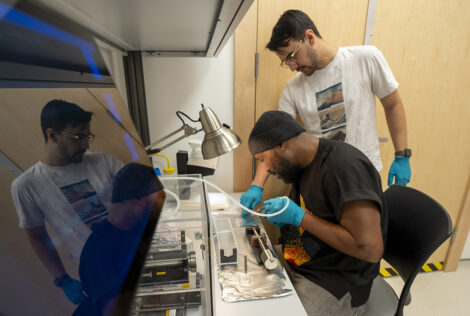
Canadian Centre for Electron Microscopy
Students gain access to world-class electron microscopes, including instruments capable of atomic-scale imaging and materials analysis.

Materials Engineering focuses on designing, processing, and improving the materials that shape modern technologies. You’ll learn how structure influences properties in metals, polymers, ceramics, and electronic materials through hands-on labs, experiments, and design projects.
The program prepares students to develop innovative solutions in industries such as healthcare, transportation, energy, and electronics, leading to careers in engineering, manufacturing, and advanced materials development.
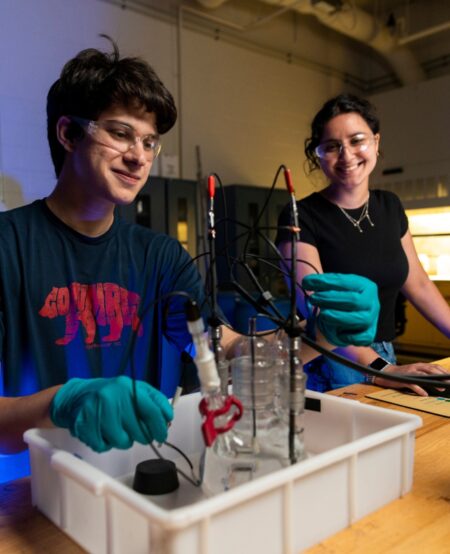
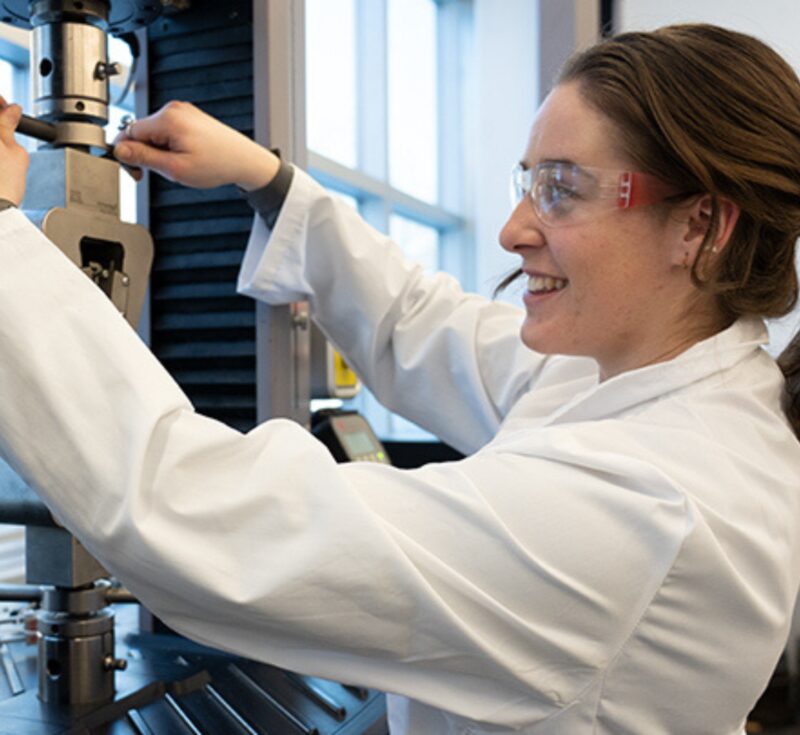
Graduates will be career-ready for in-demand careers in materials engineering, including materials design and processing, manufacturing engineering, product development, and industrial operations across sectors such as transportation, energy, healthcare, and advanced manufacturing.
You’ll already be connected to world-renowned researchers leading innovation in your undergrad: continue pursuing research and innovation in a master’s program.
Students gain access to world-class electron microscopes, including instruments capable of atomic-scale imaging and materials analysis.
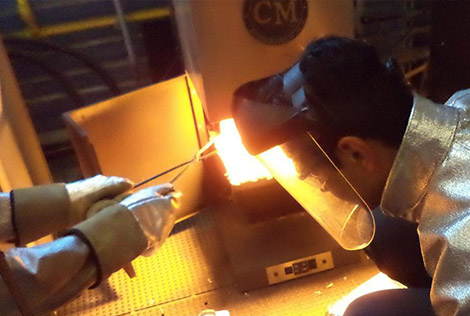
Established over 30 years ago in the Steel City of Hamilton, the Steel Research Centre provides worldwide research in the steelmaking industry.

McMaster has many clubs, teams and societies you can join to practice your engineering skills, get more hands-on experiences and explore new activities.
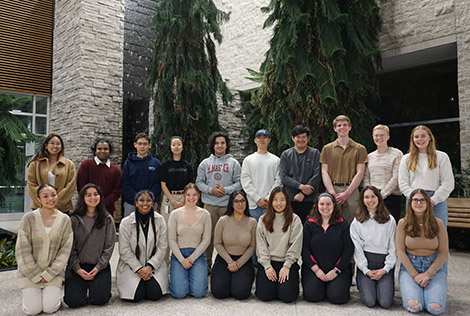
Engage in hands-on research and complex problems with a mentor as early as your first year.
Over $2.5 million in funding awarded annually
The Faculty of Engineering offers substantial financial support to students, including one of the largest faculty-based entrance scholarship programs in the country, with over $2.5 million awarded annually.