Events
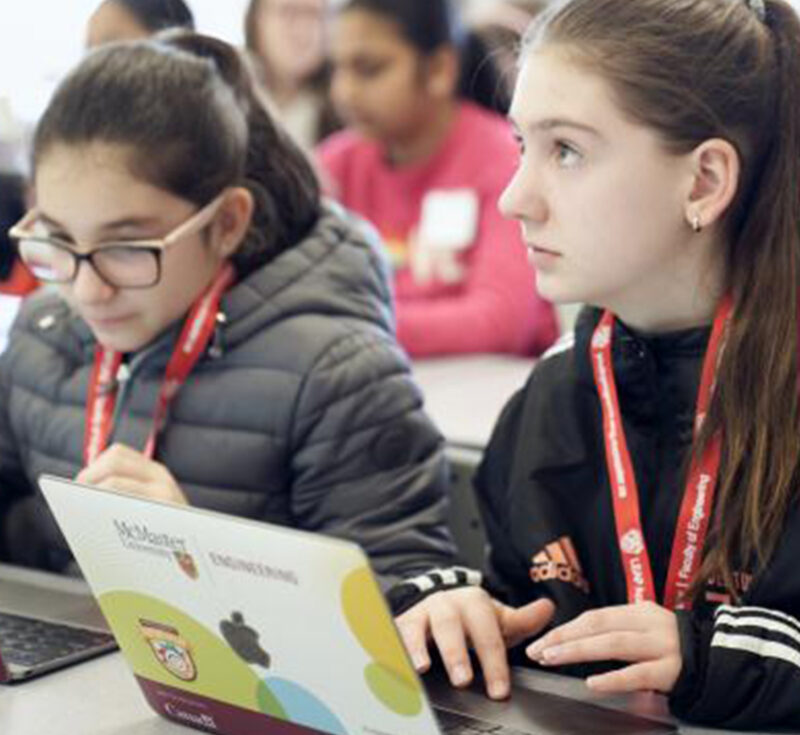
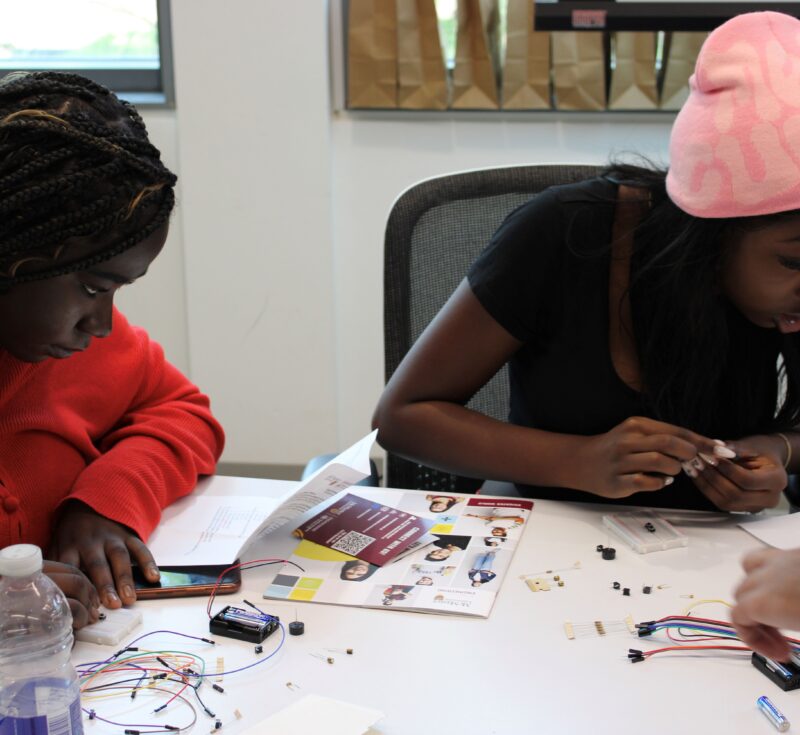
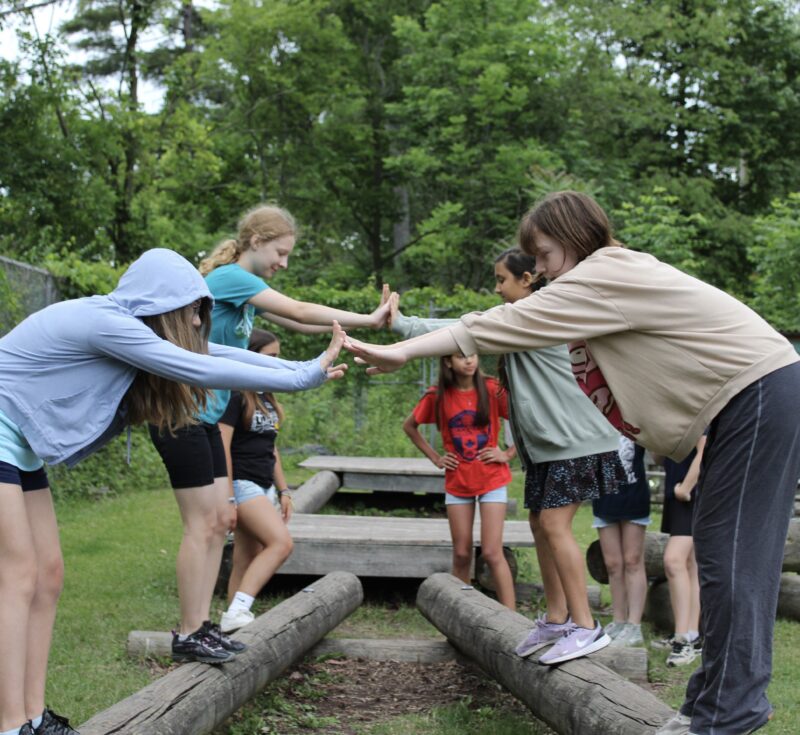
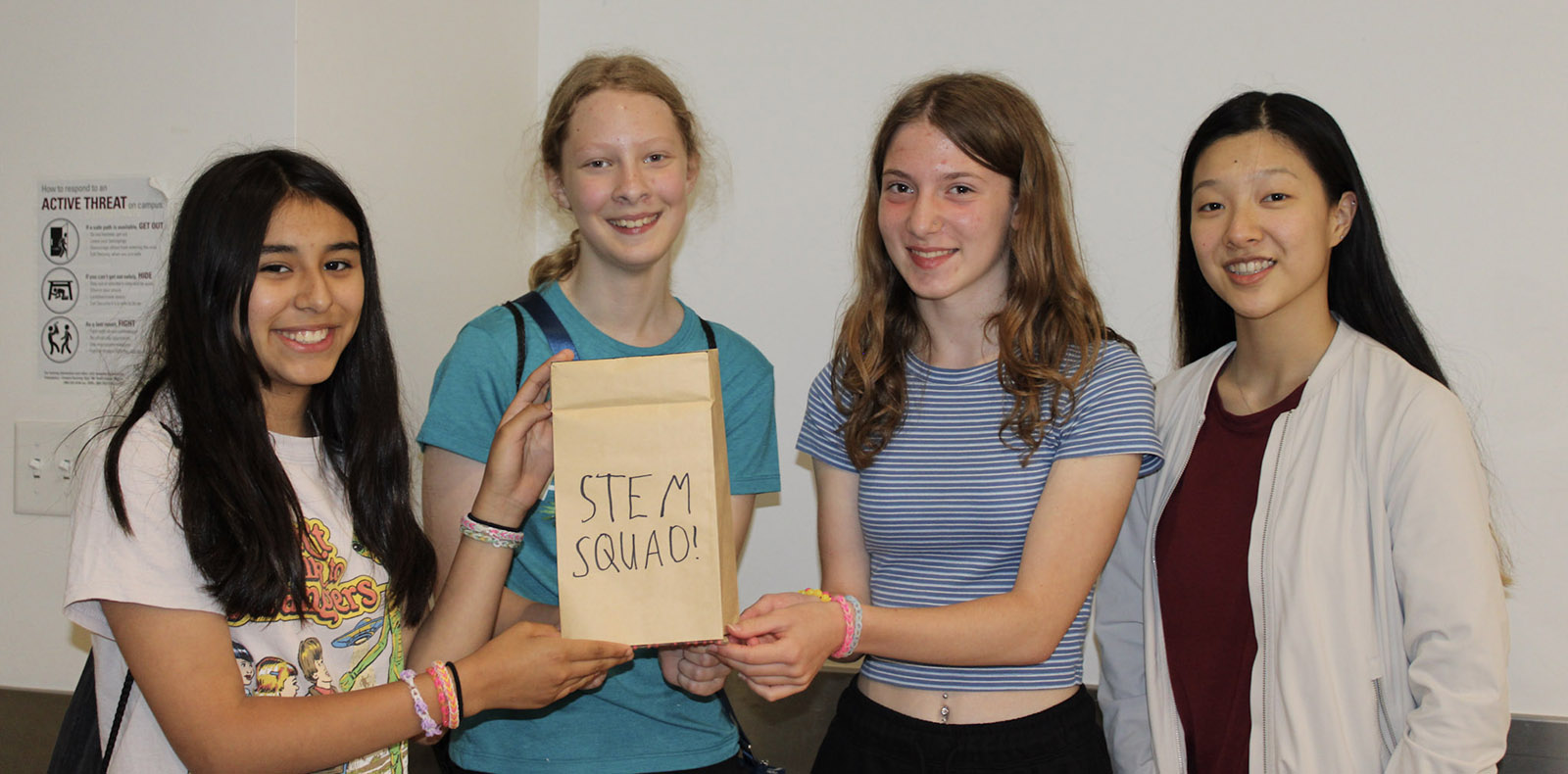
Our annual all-girl events are designed to create a supportive, collaborative, and fun environment for students to connect with each other and discover the excitement of engineering.
Stay tuned for registration for our Go ENG Girl, Go Code Girl, and Go Phys Girl events this year.
Time Required: 30–45 minutes
Making Oobleck
Have you ever wondered how something can act like both a liquid and a solid? Oobleck is a fascinating non-Newtonian fluid that does exactly that!
In this activity, Sparks will make their own Oobleck and discover how it behaves differently depending on how much force is applied. Slowly sink your hand into it and it flows like a liquid—but give it a quick hit, and it suddenly feels solid!
What We’ll Explore
- Non-Newtonian fluids
- Viscosity
- Force and pressure
- Exertion and displacement of forces
STEM Connection:
Oobleck is a dilatant fluid, meaning it becomes thicker and more solid when force is applied. This hands-on experiment introduces young learners to the exciting world of fluid dynamics while helping them explore how forces affect materials.
Time Required: 15–30 minutes
Loop Airplanes
You’ve probably made a paper airplane before—but have you ever made one using nothing but circles?
In this activity, Embers will build their own unique loop airplane and discover how a simple design can soar through the air. Through experimentation and flight testing, they’ll explore why some designs fly farther, faster, or more smoothly than others.
What We’ll Explore
- Aerodynamics
- Thrust
- Drag
- Gravity
- Lift
STEM Connection:
As air moves through the hoops of the DIY aircraft, it creates lift and helps the airplane glide through the air. This activity introduces fundamental aerodynamic principles in a fun and accessible way.
Imaging Detectives
Medical imaging uses different types of energy and technology to help us see inside the body. From X-rays and sound waves to magnets and radioactive tracers, each imaging technology provides different clues.
In this activity, Guides will explore how different medical imaging technologies work and become Imaging Detectives by solving mystery scan cases. They’ll discover how PET scans use radioisotopes, radiation, detectors, and computers to create images, and finish by turning simulated signals into an image.
What We’ll Explore
- Medical imaging
- Nuclear engineering
- Radioisotopes and radiation
- X-rays, sound waves, and magnets
- PET scans
- Detectors and signals
STEM Connection:
Medical imaging combines science, engineering, and technology to create pictures of the inside of the body. Different imaging techniques use different types of energy or signals, while PET imaging provides a direct connection to nuclear engineering through the use of radioactive tracers and radiation.fully harnessed for medical applications.
Time Required: 1 hour
Magnetic Racers!
Ready, set, race! Pathfinders will build their own magnet-powered cars and put them to the test in an exciting head-to-head race.
Through building, testing, and modifying their designs, participants will discover how magnetic forces can be used to create motion and explore the relationship between magnetism and electricity.
What We’ll Explore
- Magnetic forces
- Electromagnetism
- Engineering design
- Motion and propulsion
STEM Connection:
Participants will use the principles of magnetism and electromagnetism to understand how forces can be harnessed to move an object—while putting their engineering skills to the test!
Time Required: 90 minutes
Like Clockwork
How does a grandfather clock keep ticking?
In this hands-on engineering activity, Rangers will build their own grandfather clock mechanism, known as an escapement mechanism. Using a pendulum and a weight, the mechanism controls the release of energy to keep the clock moving and ticking.
Building the mechanism requires careful adjustments, testing, and repeated iterations—giving students the opportunity to experience the engineering design process firsthand.
What We’ll Explore
- Escapement mechanisms
- Mechanical engineering
- Pendulum motion
- Kinetic friction
- Engineering design and iteration
STEM Connection:
Students will discover how mechanical systems convert and control energy to create precise, repeating motion. They’ll also learn how small adjustments can make a major difference in the performance of a complex mechanism.