Our faculty, staff, alumni and students made headlines with their expertise, innovations, experiences and more. Explore the most read stories of 2025 below.
How will tariffs impact the automotive sector in Canada? A Q&A with Greig Mordue
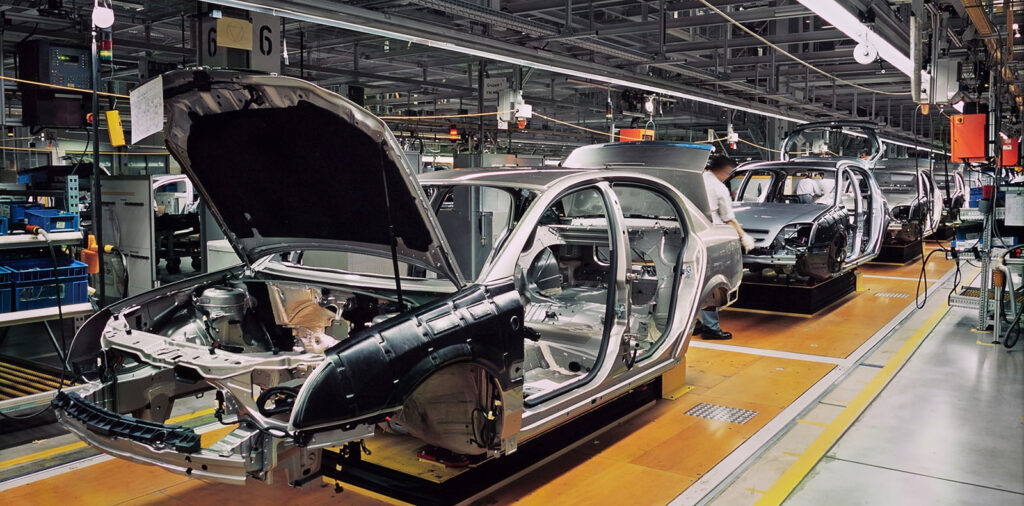
With the looming threat of U.S. tariffs, Canada’s automotive sector—one of its largest manufacturing industries—is particularly vulnerable due to its deep supply-chain integration with the U.S. market.
Greig Mordue, an Associate Professor at the W Booth School of Engineering Practice and Technology in the Faculty of Engineering shares his expertise.
Revving up electric vehicle manufacturing capacity: McMaster Automotive Resource Centre’s bold vision for an electrified future
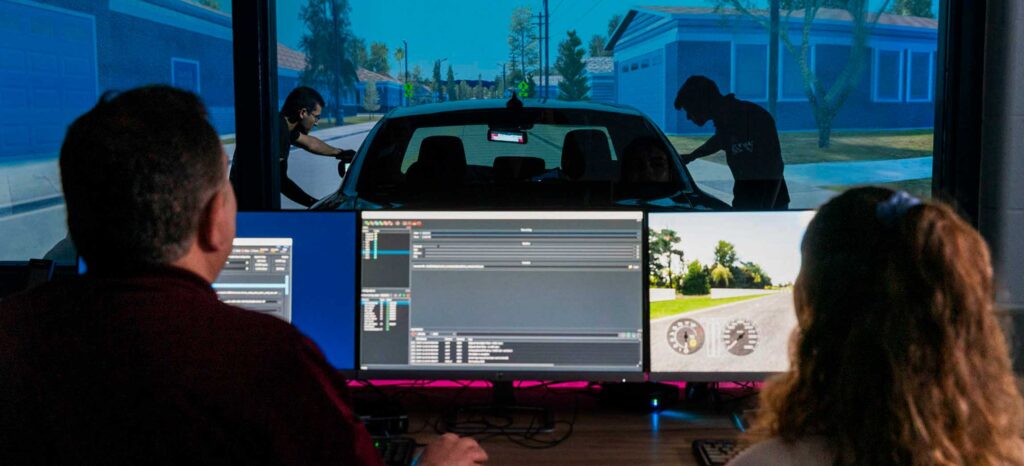
Researchers at McMaster Engineering believe that it will take the ingenuity of engineers and innovators to fully unlock the potential of an electrified future.
“Vehicle electrification is no longer a niche market, but a global trend driven by economic, environmental and societal imperatives,” says Ali Emadi, Canada Research Chair in Transportation Electrification and Smart Mobility, and NSERC Industrial Research Chair in Electrified Powertrains. “For Canada to stay competitive in this industry, we need to expand our research capacity and infrastructure.”
How will tariffs impact the steel sector in Canada? A Q&A with Joe McDermid
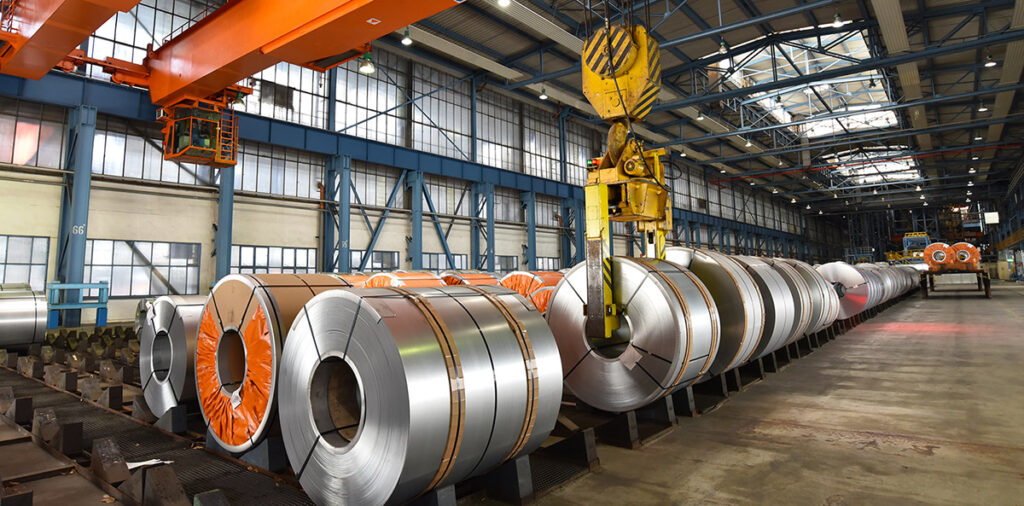
To understand the potential impact of tariffs on Canada’s $15 billion steel manufacturing sector, Joseph McDermid, Professor of Materials Science and Engineering and Director of the McMaster Steel Research Centre, shares his expert insights.
McMaster University launches Minor in Nuclear Studies and Society
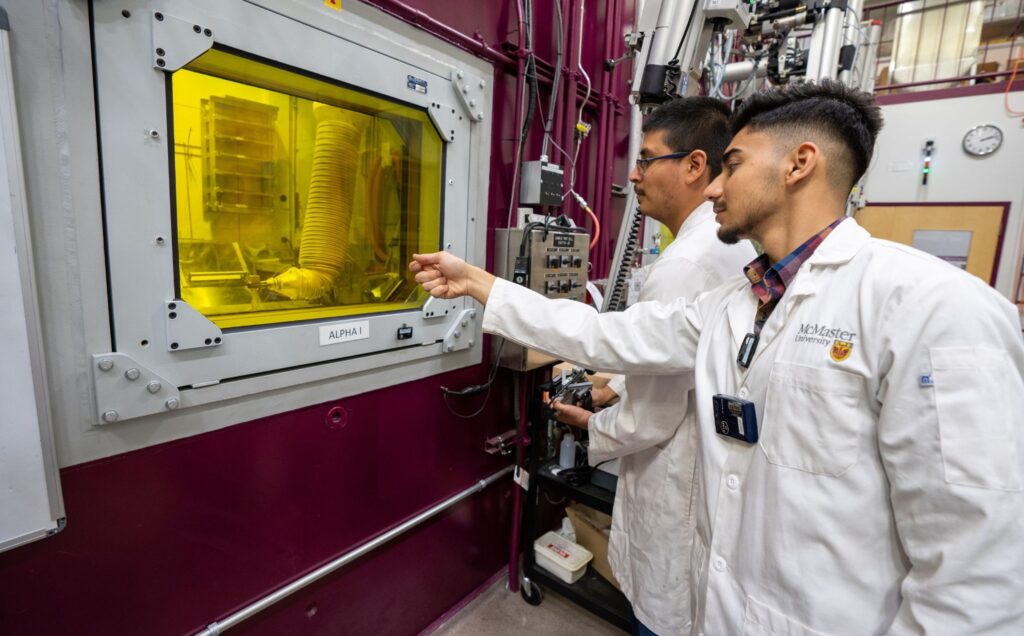
McMaster University is announcing a new Minor in Nuclear Studies and Society in a timely response to growing demand for more skilled leaders in the nuclear sector.
The Minor brings together experts from multiple Faculties at the University – home to world-class nuclear facilities and the country’s largest research reactor – to prepare students for impactful roles across a range of career pathways.
A century-old tradition: Graduating students choose a role model to present their Iron Ring at Calling of an Engineer ceremony
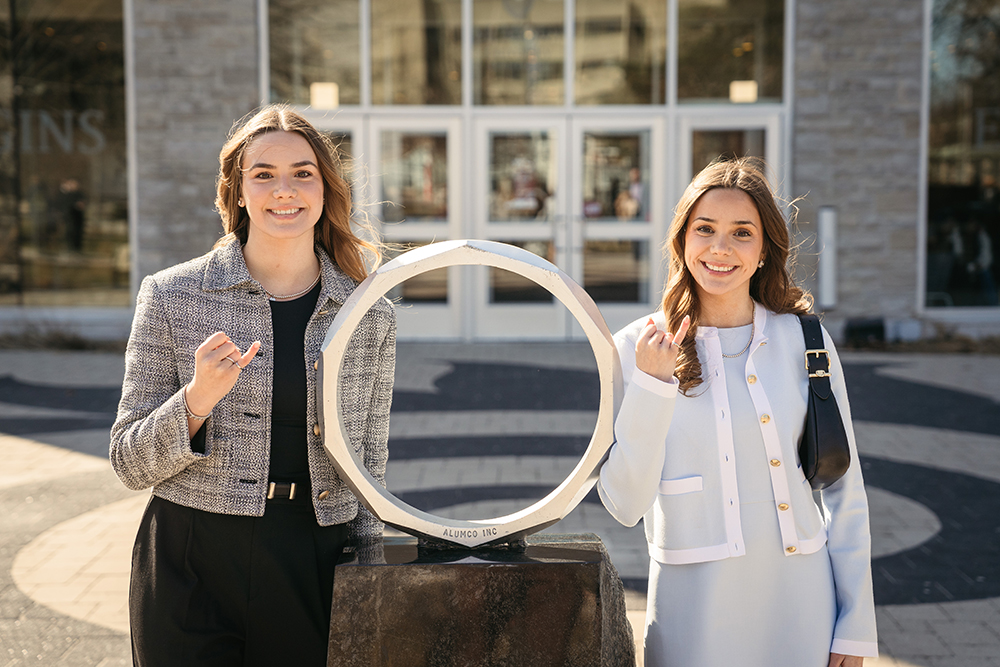
The Calling of an Engineer ceremony, celebrating its 100th anniversary this year, is a pivotal moment where emerging Canadian engineers receive Iron Rings – a symbol of their commitment to the profession and its high ethical standards.
Ceremony participants have the honour of selecting an influential engineer to present them with their Iron Ring, a request made to someone who has played a significant role in their academic, professional and personal development.
Bridging the digital divide: Canada’s new frontier in satellite communications led by McMaster Engineering and NRC researchers
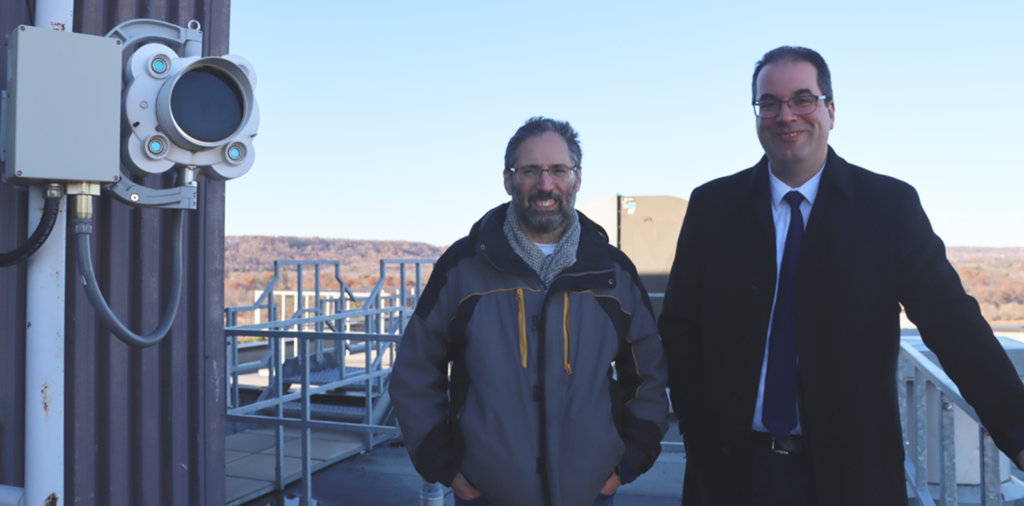
Maintaining communication networks across Canada’s vast and rugged terrain is a significant challenge. It’s one that has propelled the country to become a pioneering force in satellite communication technology. However, the recent surge in internet traffic has exposed the limitations of radio links used to relay data between Earth and space, hindering the expansion of satellite networks.
To address this, McMaster researchers Steve Hranilovic and Rafael Kleiman, in collaboration with National Research Council of Canada (NRC) researchers, Costel Flueraru and Oliver Pitts, are spearheading an innovative project to develop a mobile facility that employs optical transmissions from lasers in space, rather than traditional radio waves, to enhance data transfer rates from satellites, even amidst atmospheric distortion.
Collaboration with Sartorius powers state-of-the-art biomanufacturing lab on campus
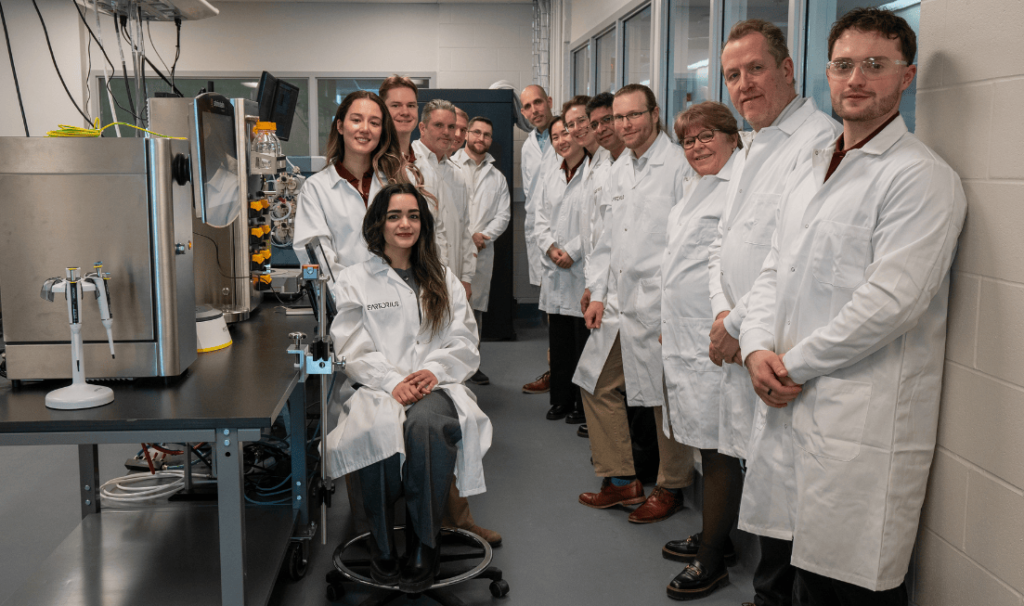
A new bioprocessing automation lab has opened on campus, thanks to a longstanding partnership with Sartorius – a leading international partner in life sciences research from the biopharmaceutical industry.
The state-of-the-art, 1,600-square-foot research facility complements a substantial contribution of advanced biomanufacturing equipment from Sartorius.
Tohid Didar wins NSERC’s prestigious Arthur B. McDonald Fellowship
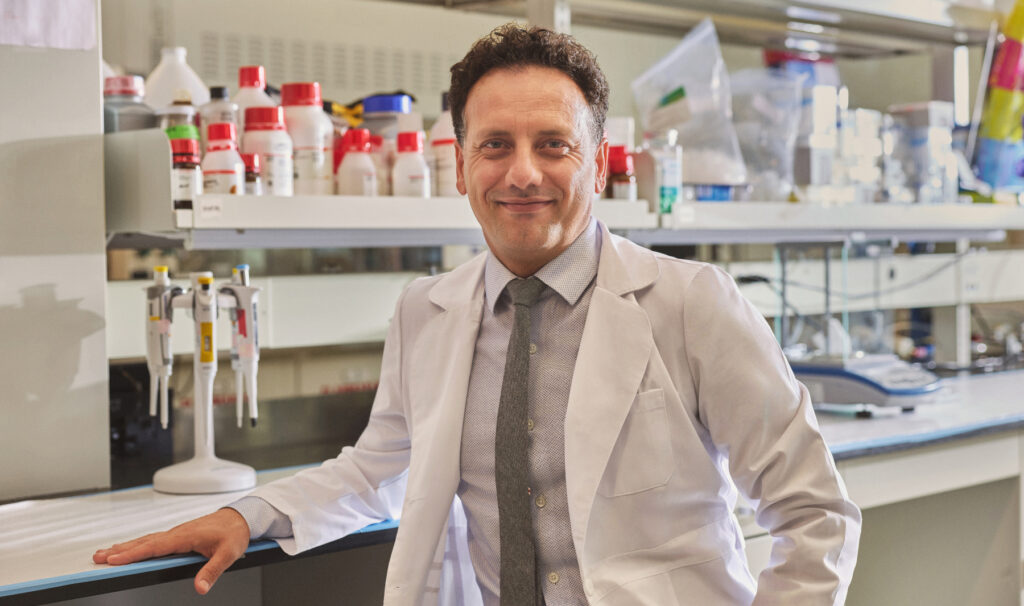
Didar is one of just six recipients across the country of NSERC’s most prestigious award for outstanding young researchers who are earning a strong international reputation for original research.
HAAMR time: McMaster researchers’ NASA project soars to success
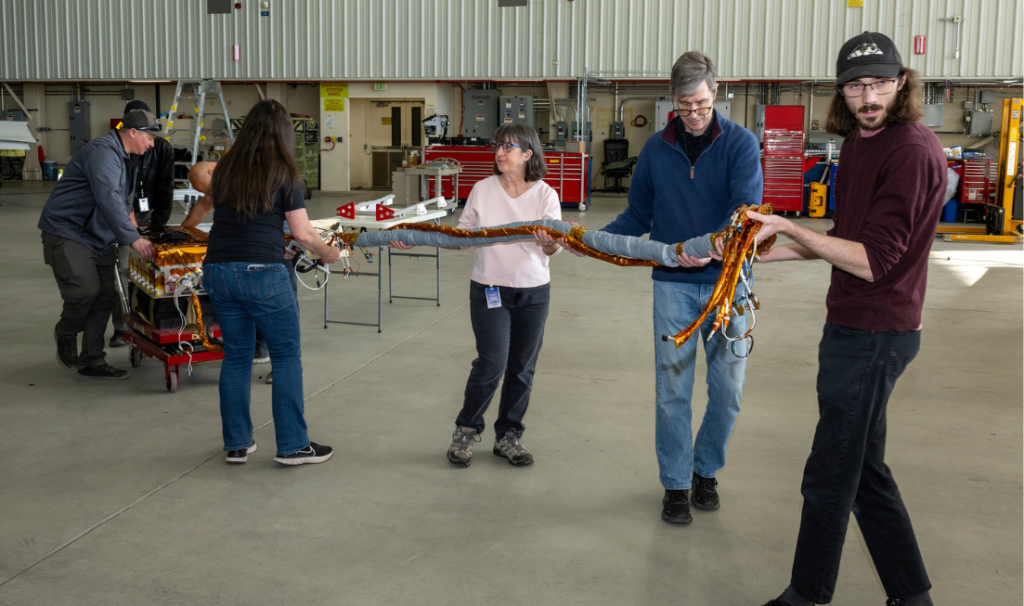
It was the HAAMR (High-Altitude Aircraft Mounted Robotic) telescopic mount’s time to shine at NASA’s Armstrong Flight Research Centre in California, where the air-LUSI mission launched under the late-March moonlight.
Developed by a team in the Intelligent and Cognitive Engineering (ICE) laboratory from McMaster’s Faculty of Engineering, the HAAMR – a nod to Hamilton – played a crucial role in gathering high-accuracy measurements to improve the precision of Earth-observing satellites.
A lab with HeART: designing millimetre-scale hardware for healthcare
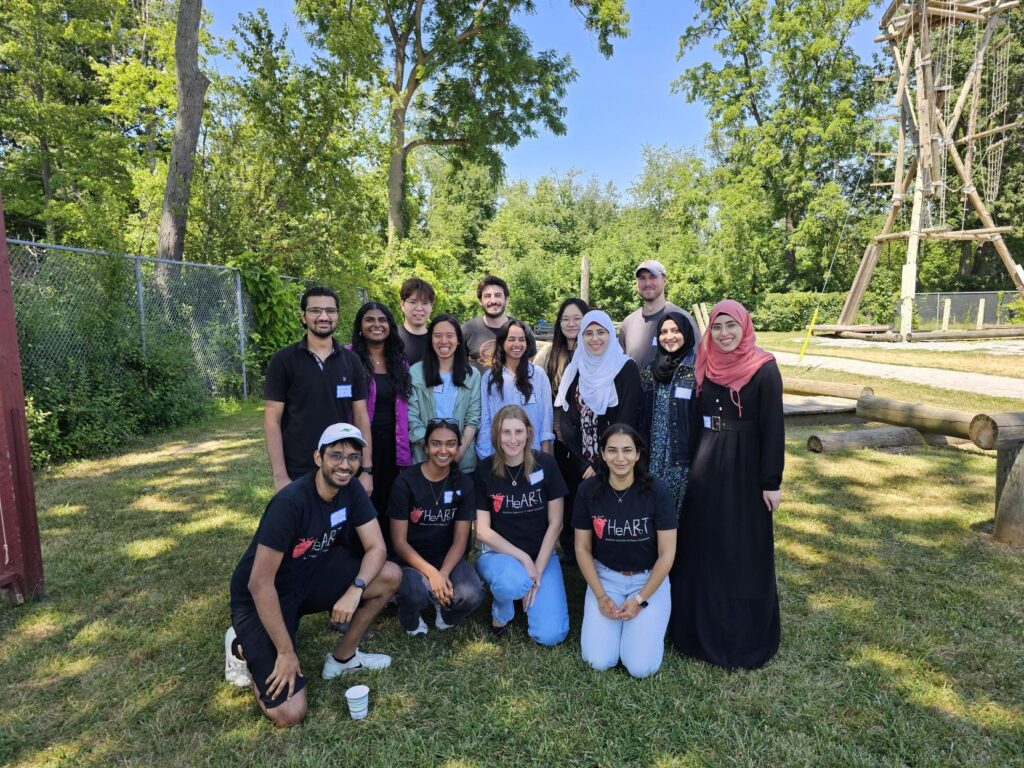
When assistant professor Onaizah Onaizah tells her students, “If you don’t capture it on video, it didn’t happen,” she’s only half joking. In her lab at McMaster University, where millimetre-scale robots are designed to navigate the human body, proof of concept is everything.
A roboticist and assistant professor in the Department of Computing and Software, Onaizah is leading groundbreaking research in microrobotics; tiny, magnetically controlled devices that could one day revolutionize how we diagnose and treat disease.
Automated building systems for mid-rise construction: A solid solution to Canada’s housing crisis
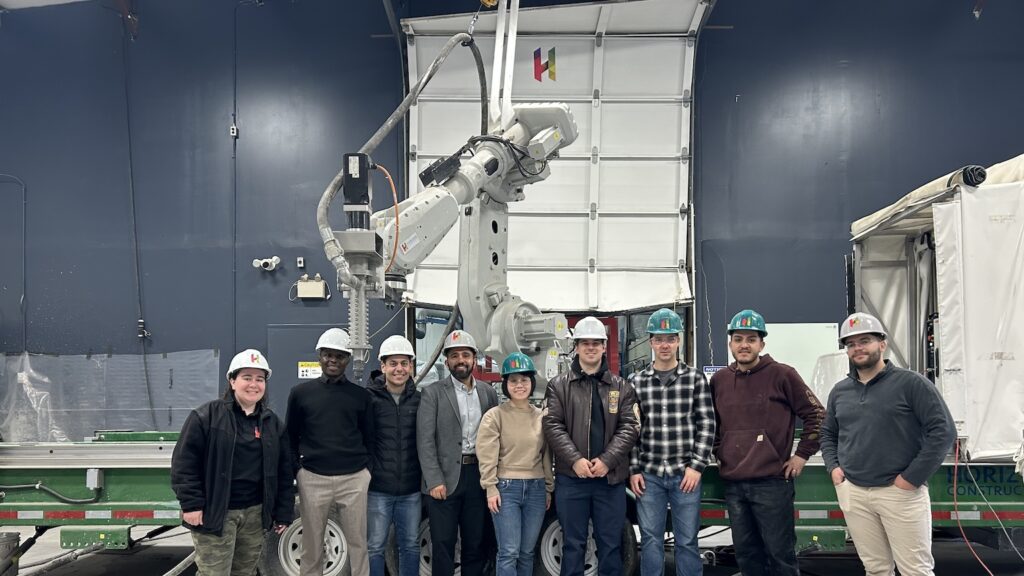
In a bold step toward solving Canada’s housing crisis, researchers from McMaster University’s Faculty of Engineering have partnered with construction automation leader Horizon Legacy to pioneer the use of onsite robotics in mid-rise building construction.
Supported by an NSERC Alliance Advantage Grant, professors Mohamed Ezzeldin, Cancan Yang and Ousmane Hisseine from the Department of Civil Engineering are leading a multidisciplinary initiative to develop data and analytical tools that will guide the integration of standardized onsite robotics into Canadian building codes and standards.
Marking a milestone: 50 years of the Engineering & Management program celebrated at campus event
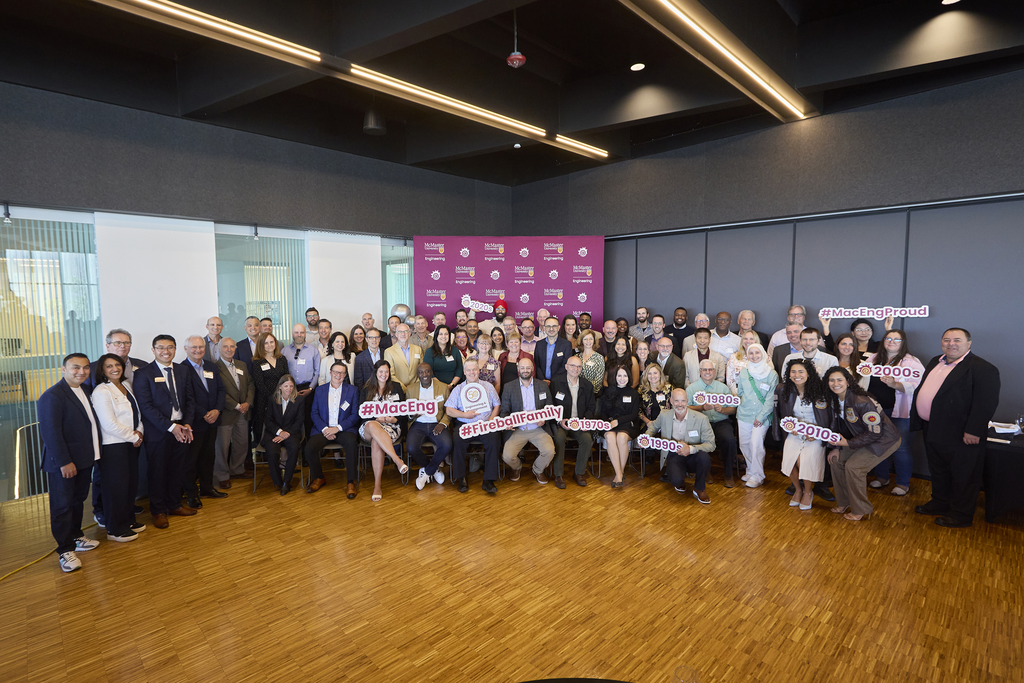
“A life-changing experience” is how Stacy Joseph (’93), President and CEO of Beam Semiconductor and an Engineering & Management alumnus, described his time in the McMaster program – just over 30 years later.
Joseph was one of several graduates, spanning from the 1970s to the 2020s, who returned to campus on September 20 to celebrate and speak about the 50th anniversary of the interdisciplinary program that blends engineering and business education.