Computer Engineering – Faculty of Engineering

Computer Engineering

Innovate with advances in electronics and software to create devices and systems that benefit people.

Length
4 years
Degree
Bachelor of Engineering (Co-op Available)
Program
Engineering
Options

Co-opManagementSociety

Overview

Explore how computer engineering brings together hardware and software to create the computing systems that power today’s digital world.

Through hands-on labs, design projects, and programming experiences, you’ll study computer architecture, embedded systems, digital design, and algorithms. Graduates are prepared for careers developing advanced technologies in areas such as AI, smart devices, and high-performance computing systems that shape modern life.  

Why study this program?

  1. Gain extensive hands-on experience through laboratory-based learning in every year of study, working with state-of-the-art hardware and software to connect theory with real engineering systems used in industry.
  2. Apply your skills to real-world technologies such as LiDAR systems, autonomous vehicles, software-defined radio, and real-time control and simulation platforms used in modern computing and engineering applications.
  3. Access unique experiential opportunities through undergraduate research assistantships, co-op experiences, and participation in internationally competitive engineering design teams supported by leading industry partners.
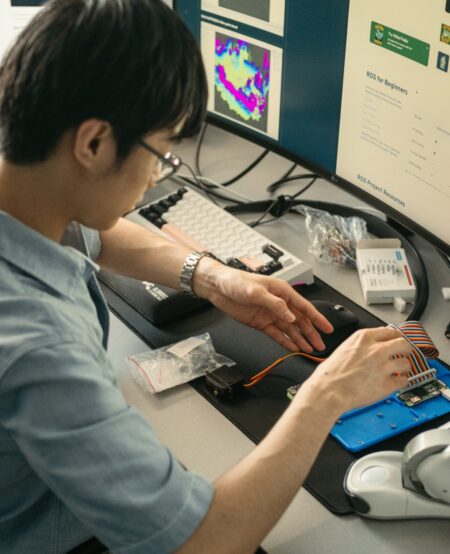
An over-the-shoulder shot of someone working with robotics and a computer.

What you'll learn

Study the design and integration of computing systems that combine hardware and software to process, store, and transmit information at McMaster University.

You will develop knowledge across computer architecture, digital systems, embedded computing, programming, algorithms, and electronic systems, with opportunities to explore advanced topics such as communication systems, control, machine learning, and computer networks.

This program is offered by the Department of Electrical and Computer Engineering.

All students in McMaster’s undergraduate engineering programs participate in a common first year — Engineering 1. Build a solid base in the fundamentals of engineering disciplines and get exposed to engineering design work right at the start of your degree.

COMPENG 2DX3 – Microprocessor Systems Project:

Get hands-on experience designing and building real embedded systems as you move from concept to working prototype. This project-based course brings together hardware and software in a practical, team-oriented environment.  

COMPENG 3DQ5 – Digital Systems Design:  

Explore how modern digital devices are built at the hardware level, using industry-standard design tools and techniques. You’ll design, simulate, and test complex digital circuits that form the backbone of today’s computing systems.  

COMPENG 3DY4 – Computer Systems Integration Project:

Work in teams on a major engineering project that integrates hardware, software, and systems design. This capstone-style experience emphasizes real-world problem solving, collaboration and design under constraints. 

COMPENG 4DM4 – Computer Architecture:  

Uncover how modern processors actually work and learn how performance, efficiency and design trade-offs shape today’s computing technology. You’ll analyze and design systems at the core of everything from laptops to data centres. 

COMPENG 4DS4 – Embedded Systems:  

Dive into the design of intelligent, resource-constrained computing systems that power everything from wearables to autonomous devices. Expect extensive hands-on work combining programming, electronics, and system optimization.

Get practical experience and grow your portfolio with interdisciplinary design courses. All students in a Bachelor of Engineering take four project-based design courses:

1. ENGINEER 1P13: Integrated Cornerstone Design Projects in Engineering

2. COMPENG 2DX3: Microprocessor Systems Project

3. ENGINEER 3DY4: Computer Systems Integration Project

4. Capstone project (year-long design project)

Potential career paths

Graduates will be career-ready for high-demand roles in the design, development and integration of modern computing systems that power today’s digital technologies across industries.

  • Analog and Mixed Signal Designer 
  • Digital Design Engineer 
  • FPGA Design Engineer 
  • Software Developer 
  • Technical Engineer

Explore computer engineering in grad school

You’ll already be connected to world-renowned researchers leading innovation in your undergrad: continue pursuing research and innovation in a master’s or PhD program.

  • Award-winning student teams

    Join award-winning student teams tackling real-world engineering challenges and competing against top universities worldwide.

    McMaster's Battery Workforce Challenge team, made up of 60+ undergraduate students, won 1st place internationally in 2025 for designing a fast-charging electric vehicle battery pack.
  • Clubs and teams

    McMaster has many clubs, teams and societies you can join to practice your engineering skills, get more hands-on experiences and explore new activities.

    Learn more about Mac Eng Experiences
Red and white flowers blooming on campus

Upper-year specializations

Specialized programs at McMaster can take your Engineering degree to the next level.

At the end of your first year in Engineering, you can apply to two other exciting options:

  • Engineering & Management
  • Engineering & Society
Here are further details to help you imagine your McMaster future.

Become a leader that solves complex challenges with your technical and business expertise in this five-year program.

Once you’ve completed first year requirements in good standing, you can apply to this program.

Follow your passion in Engineering & Society. Combine your engineering education with a deeper understanding of human-centred design and problem-solving skills in this five-year program.

Once you’ve completed first year requirements in good standing, you can apply to this program.

More helpful links