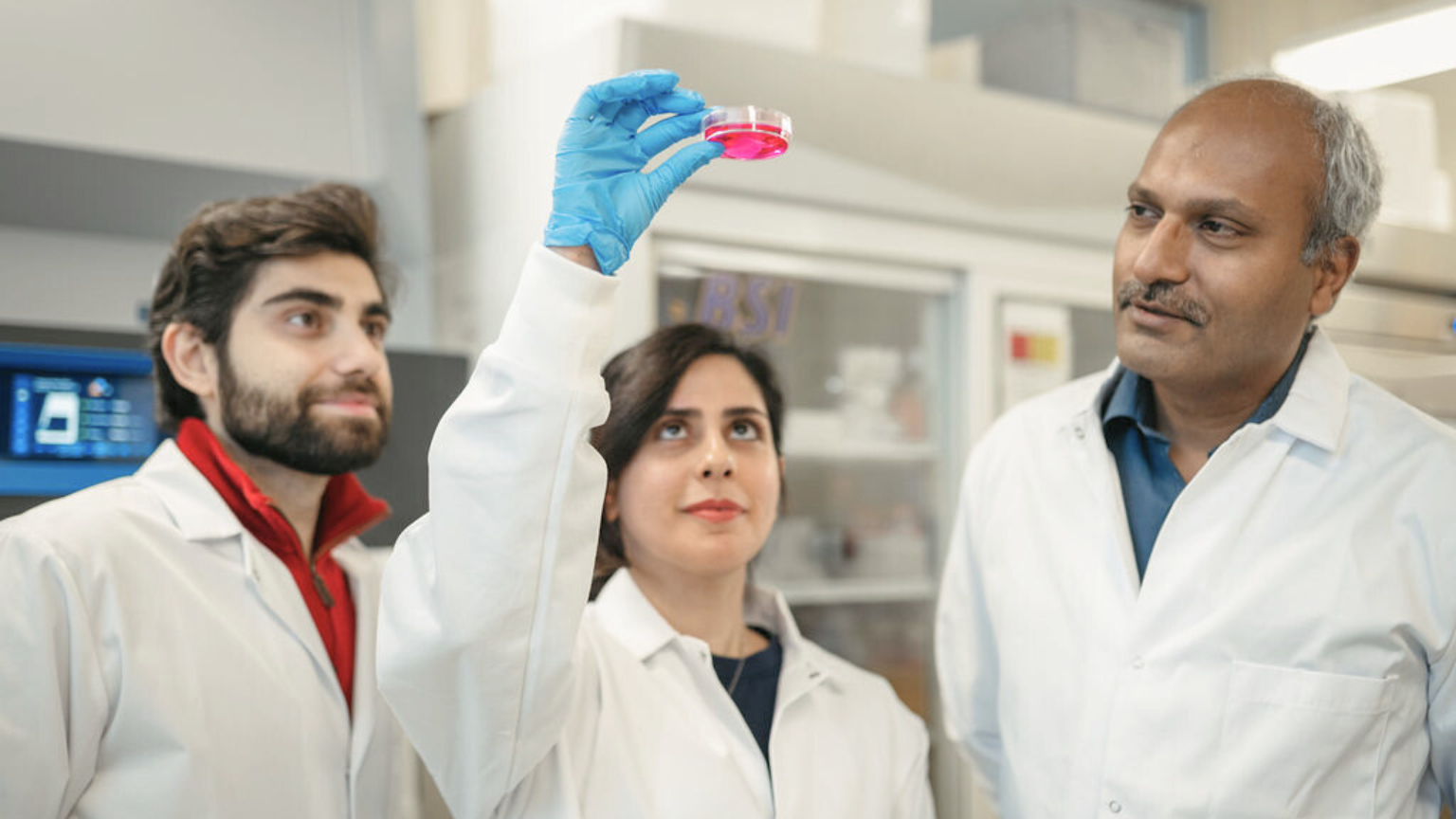
The equipment isn’t fancy — but the science may be groundbreaking.
Researchers in the lab of P. Ravi Selvaganapathy, professor and co-director of biomedical engineering at McMaster University, have developed a rapid, low-cost method for creating cell sheets that could transform regenerative medicine — and even cultivated meat production.
The technique, recently published in a journal of the Royal Society of Chemistry, uses a silicone-based vessel, a spatula and tweezers — tools found in most labs — to produce mechanically robust cell sheets ready for application in just five hours.
Current scaffold-based approaches rely on animal‑derived materials or synthetic scaffolds, which can trigger immune reactions, and scaffold-free approaches often take up to two weeks and are difficult to remove from culture vessels. This new method eliminates these barriers.
Finding the right vessel
The key is a silicone vessel that cells don’t like.
“Instead of adhering to the vessel, cells stick to each other, forming a sheet‑like structure,” says Maedeh Khodamoradi, PhD candidate in Biomedical Engineering. “This structure is ideal for applications such as wound coverings or burn treatments.”
Because the process can use stem cells from the patient, the risk of rejection can be reduced. Researchers call these sheets “scaffold‑free” because they don’t require extracellular matrices — materials typically sourced from cows, pigs or fish.
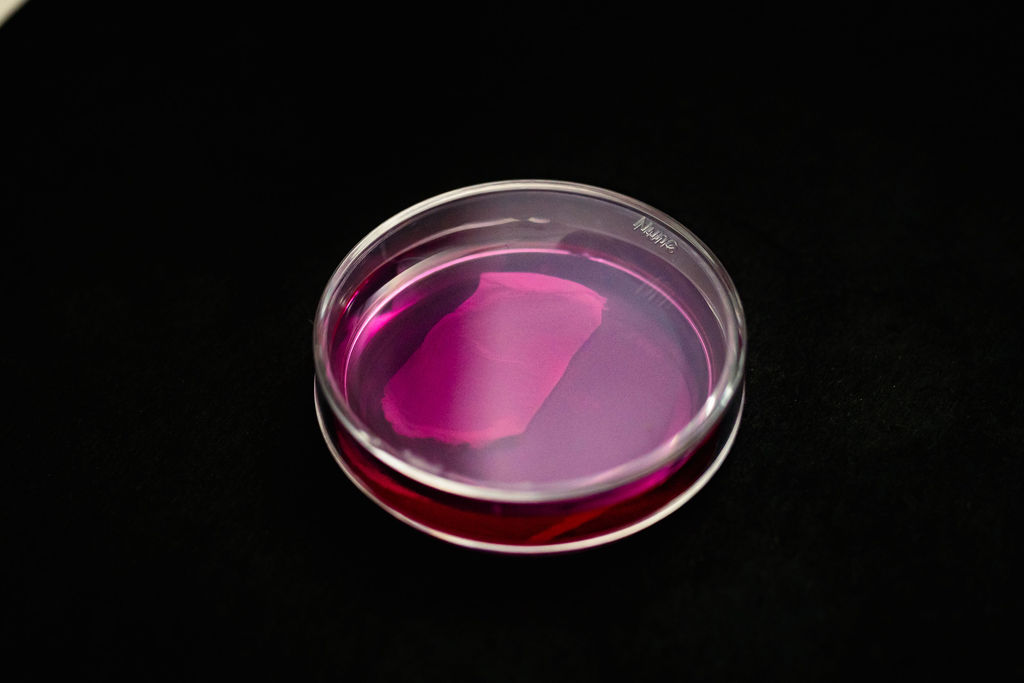
“Within five hours, we can create a mechanically robust cell sheet about five centimetres across,” says Selvaganapathy. “Other methods take weeks.”
Functionality tests show the cells are “alive and happy,” he says — creating their own microenvironments and producing their own extracellular matrices within a day. The silicone material, PDMS (polydimethylsiloxane), is bioinert and non‑cytotoxic, supporting safety for future clinical use.
“Typically, cells seeded on non-adherent substrates like PDMS create spheroids,” says Syedaydin Jalali, a postdoctoral fellow in the Selvaganapathy Lab. “We have identified critical conditions that make them form sheets instead. It’s a key breakthrough.”
Applications are abundant
As populations age, demand for tissue regeneration is growing. This platform could support skin substitutes, cardiac patches, kidney tissue and more.
The team has partnered with Dr. Marc G. Jeschke, burn surgeon, Vice President, Research & Innovation, and Chief Scientific Officer at Hamilton Health Sciences, and with the support of NSERC, CIHR and Genome Canada, they’re prepping for human clinical trials at Hamilton Health Sciences’ Regenerative Medicine Centre.
“This is a very effective way to deliver stem cells exactly where they’re needed,” Selvaganapathy explains. “Think of it like a living bandage — no sutures, no complicated removal. Just apply and heal. The surgeons who have used these sheets really like it for their robustness and ease of handling.”
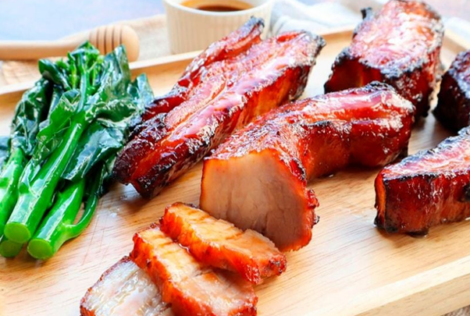
The technology also has potential in cultivated meat, another focus of Selvaganapathy’s lab. Layering tissue can recreate the marbling of a slab of meat, emulating muscle and fat for realistic texture.
Our goal is to democratize the production of large-scale cell sheet production. We see a significant opportunity for regenerative medicine and its application to be more widespread.
“Any tissue that is layered could benefit from this research,” says Selvaganapathy. In the C20/20 Lab led by Heather Sheardown, Dean of Engineering, collaborators are exploring retinal cell sheets — assembling layered eye tissues into sheet‑like formats — alongside emerging work on cardiac and kidney patches.
Khodamoradi modestly called the discovery “interesting,” but the five‑hour cell sheets are emerging as an innovative, potentially transformative advance in tissue engineering, powered by simple tools, a smarter surface and cells coaxed into assembling themselves.
“Our goal is to democratize the production of large-scale cell sheet production, emphasizes Selvaganapathy. “We see a significant opportunity for regenerative medicine and its application to be more widespread.”