AISES McMaster
The American Indigenous Science and Engineering Society (AISES) is the voice for Indigenous Peoples in STEM at McMaster University.

McMaster Engineering is dedicated to fostering a culture where every student, staff and faculty member feels valued, respected and empowered.
We are committed to building an environment that actively challenges systemic barriers, celebrates diverse perspectives and ensures that all voices are heard and represented. Through continuous learning, meaningful action and community collaboration, we strive to create a more inclusive and innovative engineering community for all.
After meaningful consultations with our community, Mac Eng is preparing to launch an EDI action plan that outlines key areas for growth and sets out clear, actionable steps to drive meaningful change.
We are committed to cultivating a learning community where every student feels respected, valued and a genuine sense of belonging. Driving meaningful change requires both individual commitment and collective action. When engineering embraces diverse perspectives, it leads to more inclusive innovation and better, more thoughtful design.
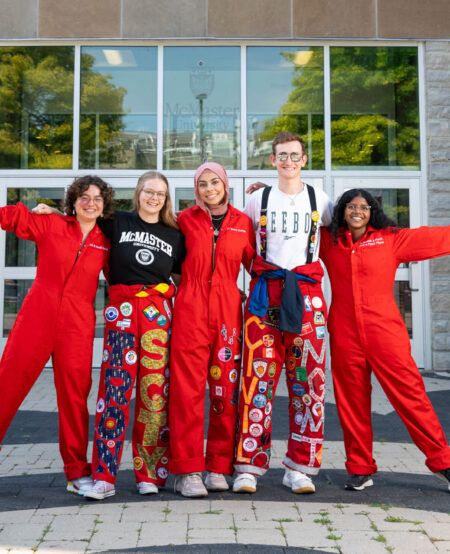
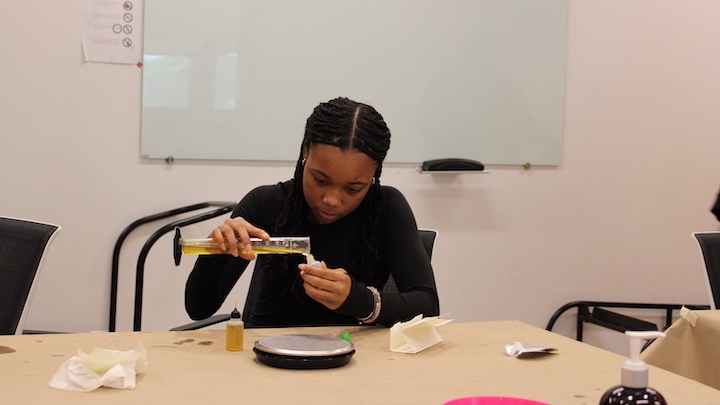
Through Faculty funding, identity-focused clubs and teams at McMaster Engineering are able to build a supportive, welcoming community amongst students with shared lived experience and interests. These include:
The American Indigenous Science and Engineering Society (AISES) is the voice for Indigenous Peoples in STEM at McMaster University.
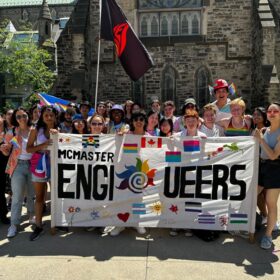
EngiQueers started at McMaster and is now a nationwide non-profit organization.
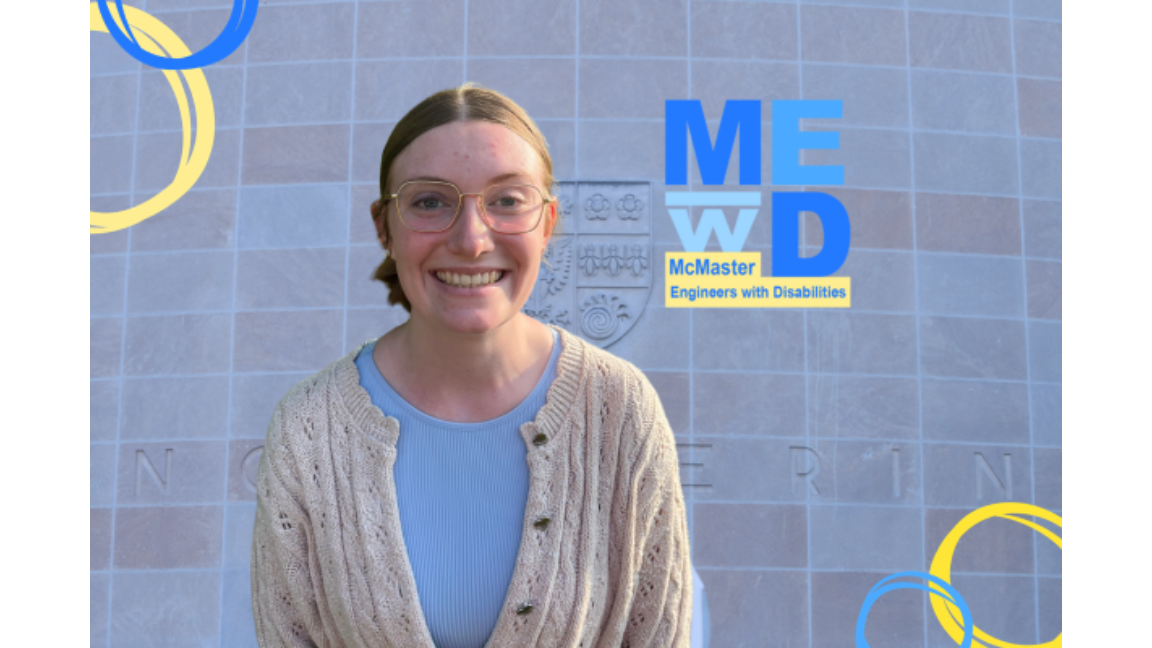
MEwD provides support for engineering students with self-identified disabilities.
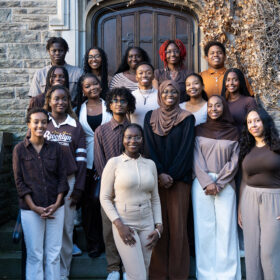
McMaster’s NSBE chapter is focused on developing culturally responsible Black engineers who excel academically, succeed professionally and positively impact the community.
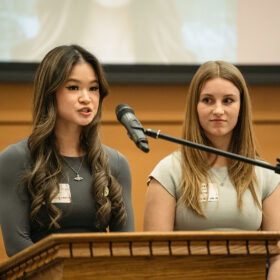
WiE is focused on creating a community where woman-identifying students feel empowered and supported throughout their education.
Dedicated roles to support equity-deserving groups:
Faculty hiring initiative: In 2020, McMaster University committed to hiring 12 new Black-identifying faculty member to contribute to the advancement of Black academic excellence across all six Faculties.
Scholarships:
McMaster Engineering has one of the largest undergraduate scholarship programs in the country, including ones specifically aimed to support students who demonstrate need and those who are part of equity-deserving groups. These include:
At the graduate level, McMaster Engineering helps facilitate the Indigenous and Black Engineering/Technology (iBET) PhD Fellowship valued up to $25000 annually.
Recruitment supports:
From kindergarten students to undergraduate students, Black @ Mac Eng initiatives focus on breaking barriers to STEM education for traditionally underrepresented groups by providing meaningful support to Black students in their journey to becoming leaders of tomorrow.
Meet Tolu, Rotimi and Damilola, also known as the Fadiya siblings, who have passed on the legacy of leading NSBE — a student-led group working to increase the number of culturally responsible Black engineers who excel academically, succeed professionally and positively impact the community.
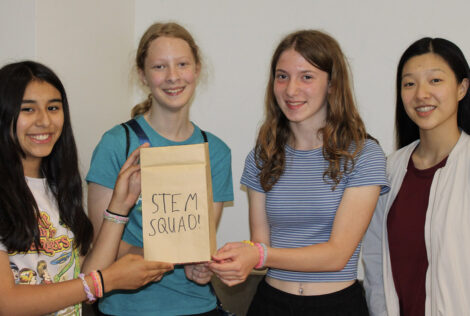
From Girl Guides of Canada learning modules to engaging Go Eng Girl after-school programs and more, Mac Eng is enabling girls to confidentally pursue a future in STEM.
Each year, students work in teams to prototype designs that meet the needs of a real client who is living with a disability.
McMaster University resides on on the traditional territory shared between the Haudenosaunee confederacy and the Anishinabe nations, which was acknowledged in the Dish with One Spoon Wampum belt. That wampum uses the symbolism of a dish to represent the territory, and one spoon to represent that the people are to share the resources of the land and only take what they need.