“Carving a path for change” wasn’t just the theme of the 2026 Conference on Advocacy and Leadership in Engineering (CALE) presented by Aecon — it became the experience of the students who organized it.
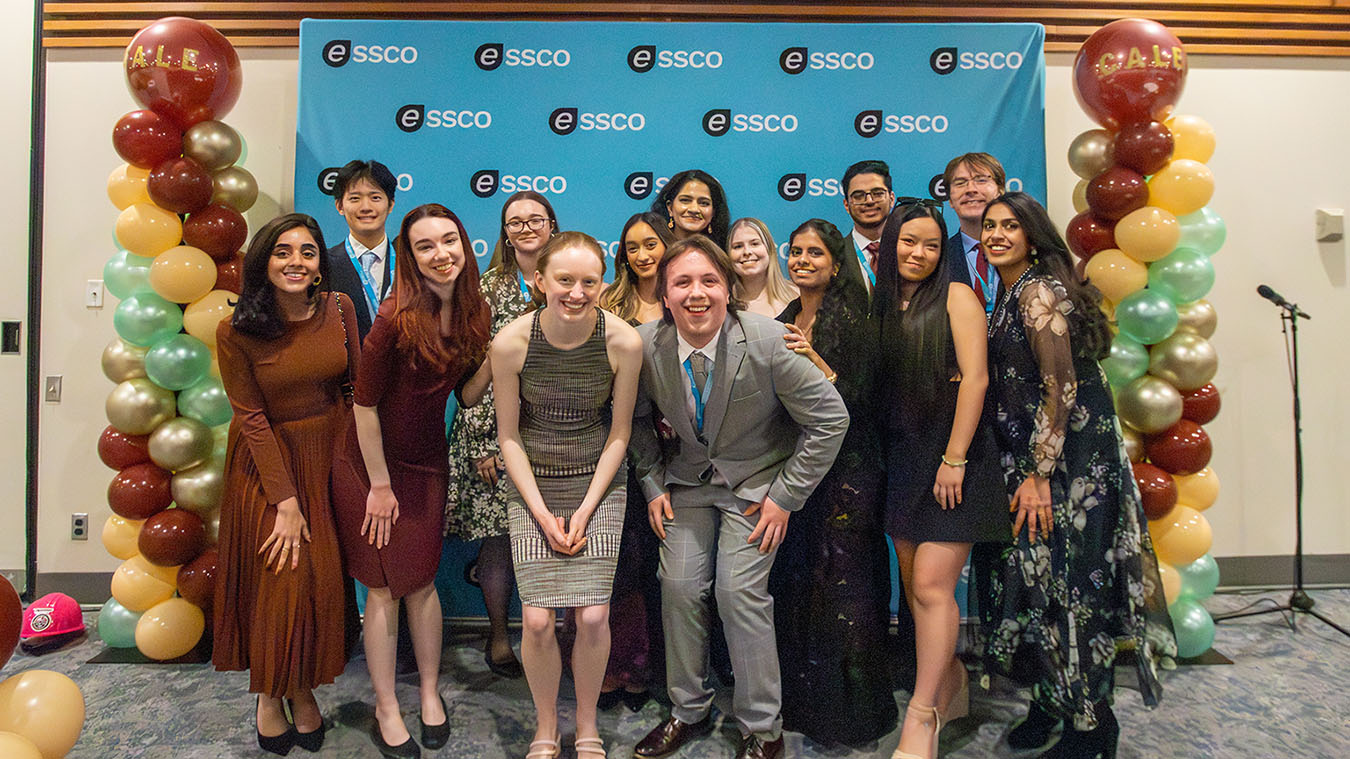
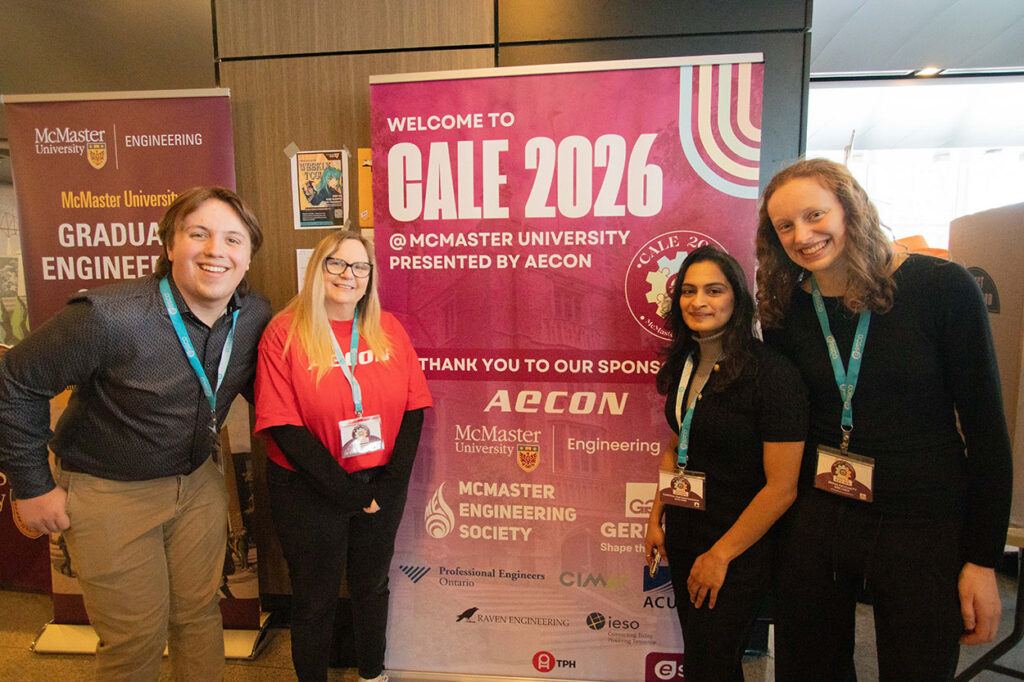
Over two years, co‑chairs Emma Patchett and Bryson Carey planned a four‑day event in early February that brought together 153 delegates, 25 speakers, 10 volunteers and a 23‑member organizing committee, representing 18 schools from across the province.
With 21 sessions supported by sponsors including Aecon, Gerdau Steel, CIMA+, Acuren, Professional Engineers Ontario (PEO), IESO and Raven Engineering, the weekend set out to empower student leaders. For many, including its organizers, it delivered even more.
Memorable moments
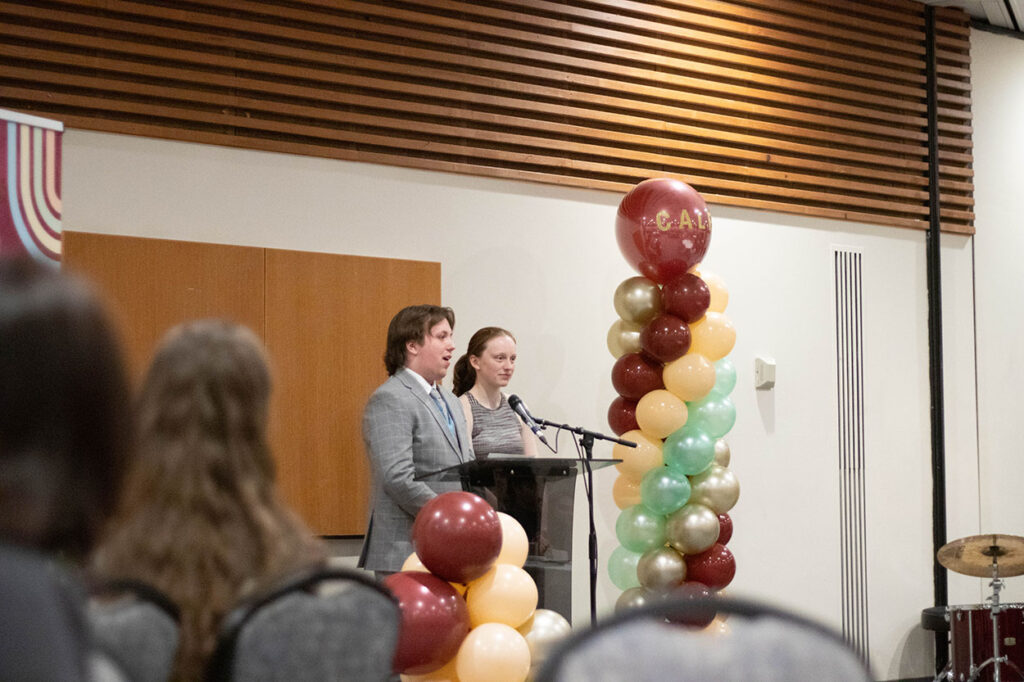
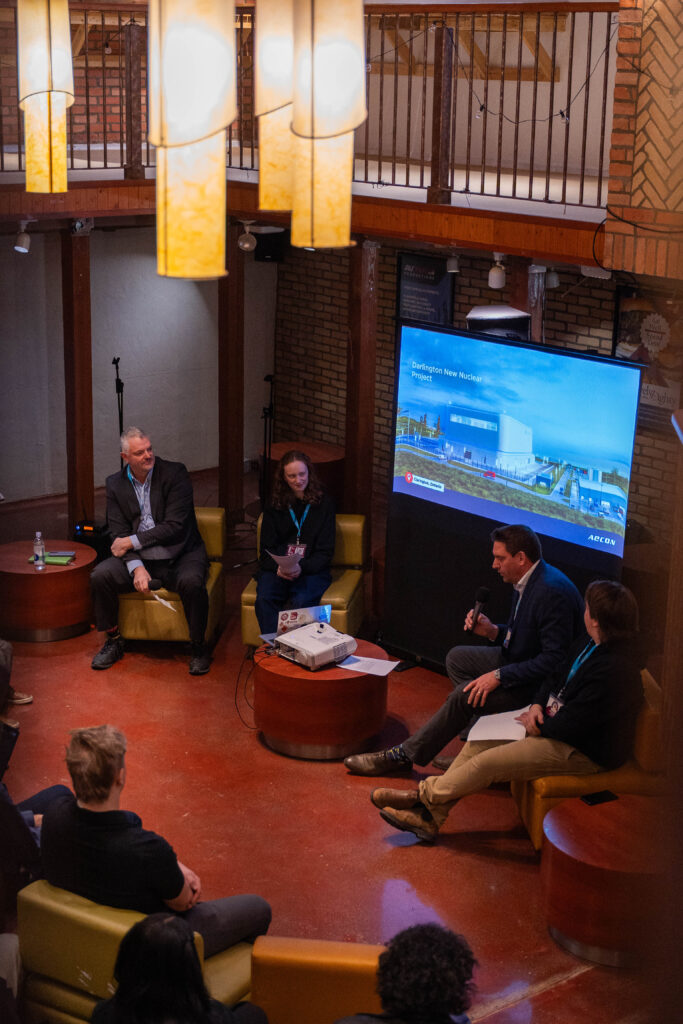
Bryson, a Materials Engineering student, recalls a standout moment from when he and Emma emceed the Aecon Fireside Chat with senior leaders Marty Harris and Scott Ryan. Watching delegates lock in — pens scribbling, heads nodding — showed him exactly what the conference could spark. “It captured exactly what CALE is designed to do,” he says. “We wanted to spark curiosity, build confidence and expose young engineers to the possibilities of their profession.”
Emma, a Materials and Biomedical Engineering (iBioMed) student, found similar inspiration in the stories shared throughout the weekend. She was particularly moved by Dr. Esther Chin’s reflections on delivering surgical care in remote communities, and insights from McMaster alumni Mack Wallhouse and Sami DiMauro stayed with her — especially their emphasis on team culture and the “importance of intentionality when making decisions large and small.”
Bryson also carried forward a message from Engineers Without Borders Canada CEO David Boroto: “A memorable message for me was David explaining the importance of finding your why and letting that steer your journey.”
Leading by doing
For both organizers, leading the conference became its own crash course in leadership. Emma discovered her capacity under pressure. “I learned that I’m capable of managing far more than I realized, especially when the stakes are high,” she said, adding that the real challenge was “the ability to do it all with a smile; to consistently show up as the best version of yourself.”
Bryson found himself evolving too. “Initially I am the type of person to weigh decisions for a long time,” he said. But CALE’s pace demanded decisiveness. “I had to become comfortable and confident in my ability to trust myself in the moment. This skill and ability were something I can attribute to the success of CALE 2026.”
I learned that I’m capable of managing far more than I realized, especially when the stakes are high.
Delegates, speakers and student executives offered enthusiastic feedback throughout the weekend. “I heard from many delegates and Engineering Student Societies’ Council of Ontario executives that this was their favourite conference they’d attended,” Emma said. The thoughtful program design and engaging speakers were frequent highlights. Bryson also noted that attendees appreciated how each session built on the last, “which helped define more tools to be a stronger advocate and leader.”
As the final sessions wrapped, both organizers reflected on the collective effort behind the scenes. “We could not have done this without the help of the faculty, student groups, on-campus event spaces, local businesses, sponsors, volunteers and of course, our wonderful organizing committee,” Emma said. Bryson says CALE’s success still feels surreal. “When we bid for this conference two years ago, Emma and I could never have believe how well everything would come together,” he said. “This is all thanks to our fantastic organizing committee – they did it and supported Emma and I each step of the way.”
When we bid for this conference two years ago, Emma and I could never have believed how well everything would come together.