Buildings designated as heritage sites are more than bricks and mortar; they are guardians of history preserving stories, aesthetic and character from generations past. Yet for many people with disabilities, these spaces remain difficult to access, despite efforts to meet current standards.
A new study led by civil engineering professor Samir Chidiac and postdoctoral fellow Mouna Reda, is aimed at better understanding the lived experiences of people with disabilities. Their research asks an important question: Do heritage buildings that meet accessibility standards truly meet the needs of those who use them?
The challenge of heritage and accessibility
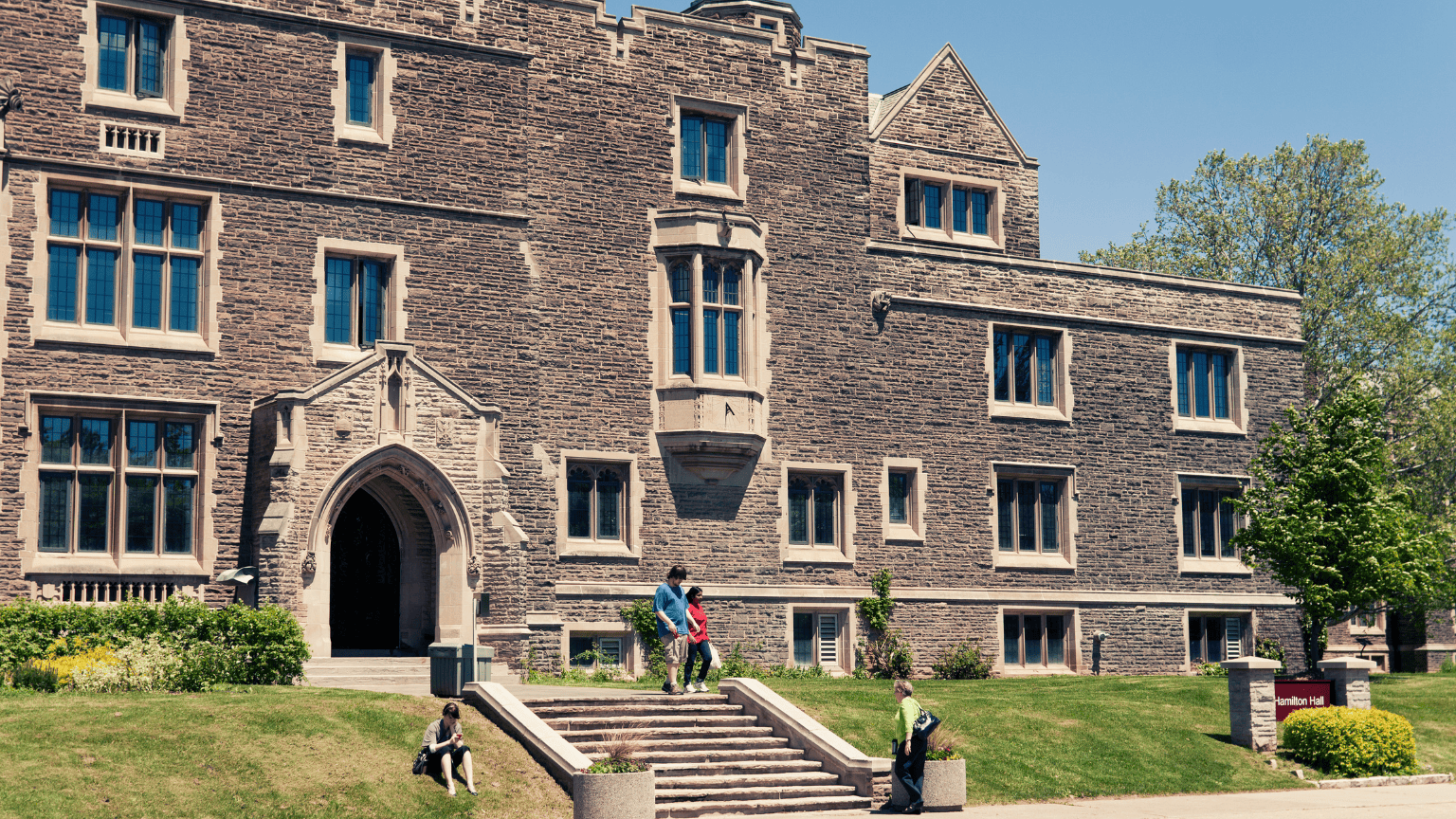
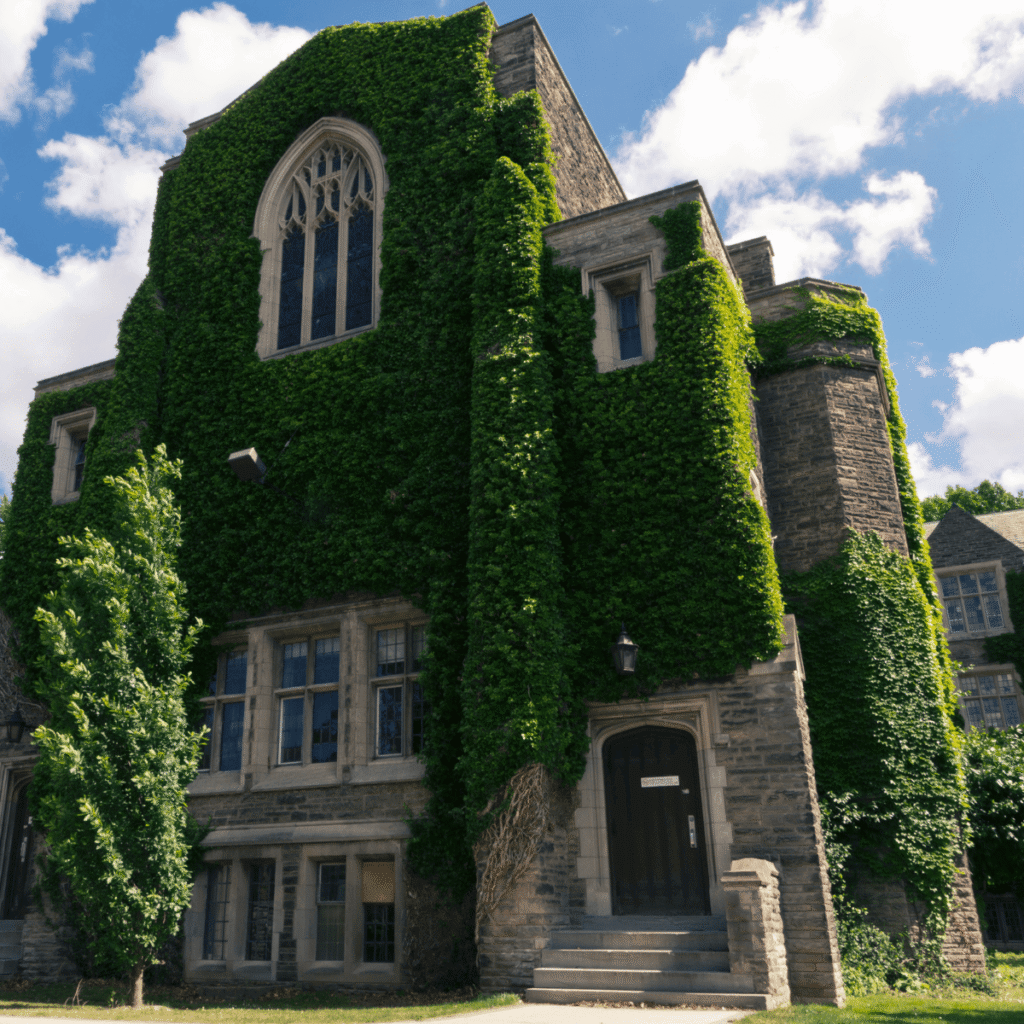
Heritage buildings, such as Hamilton Hall and University Hall, are central to McMaster’s history. They are two of the four original buildings in use when McMaster University moved to its Hamilton campus in 1930. Their protected status limits the extent of modifications, making accessibility improvements complex.
In 2020, Chidiac launched a research program called “Accessibility of the built environment” with the aim to advance Canada’s accessibility standards. “Heritage buildings are the most challenging as they need to satisfy heritage considerations and the diverse needs of people with disabilities,” he says.
While heritage buildings may comply with prescriptive standards, the lived experience of navigating them often reveals gaps. “Accessibility isn’t just about ramps or wider doorways,” says Reda. “It’s about acoustics, wayfinding and reducing anxiety. It’s about creating spaces that work for everyone.”
It’s about acoustics, wayfinding and reducing anxiety. It’s about creating spaces that work for everyone.
Going beyond compliance
The team’s latest study, funded by Accessibility Standards Canada, begins the evaluation of accessibility long before the front door. “Accessing a building starts from the moment someone arrives by bus or parks nearby,” says Chidiac.
Through questionnaires and on-site walkthroughs/rolls, researchers aim to capture the full experience of moving through these spaces.
Current standards tend to focus on physical disabilities, with limited attention to sensory, cognitive and mental health needs. With nearly 27% of Canadians identifying as having a disability, says Reda, the researchers argue that universal design must go beyond theory and translate into actionable measures.
A vision for barrier-free spaces
The work of Chidiac and Reda aligns with UNESCO’s goal of achieving barrier-free environments by 2040. “Everyone deserves a chance to participate fully,” says Reda. “This isn’t just about architecture; it’s about equity and dignity.”
Chidiac adds, “as civil engineers we have a responsibility to understand the needs of the people and creating infrastructure and public spaces that serve them well.”
Kiana Lowes, a fifth-year Civil Engineering and Society student and founder and president of McMaster Engineers with Disabilities, says changing standards to reflect the needs of people with disabilities in the 21st century is necessary, even when the heritage buildings that we occupy have not or cannot be changed.
“As a disabled person and an advocate for the disabled community and accessibility at McMaster, I believe this work provides an opportunity for our institution and researchers at other institutions to reevaluate the impact, positive or negative, that our infrastructure has on people with disabilities.”
How to participate
McMaster students, staff, faculty, and members of the public who are self-identified as people with disabilities are invited to take part in the study by sharing their experiences navigating Hamilton Hall and University Hall.
Ethics approvals are in place, and participation involves completing a questionnaire during guided walkthroughs/rolls to both buildings.
To learn more or get involved, please contact Dr. Mouna Reda at redam1@mcmaster.ca or Dr. Samir Chidiac at chidiac@mcmaster.ca.
As civil engineers we have a responsibility to understand the needs of the people and creating infrastructure and public spaces that serve them well.