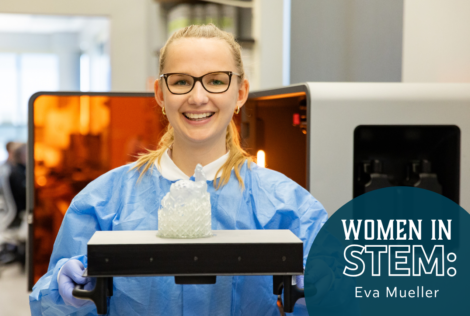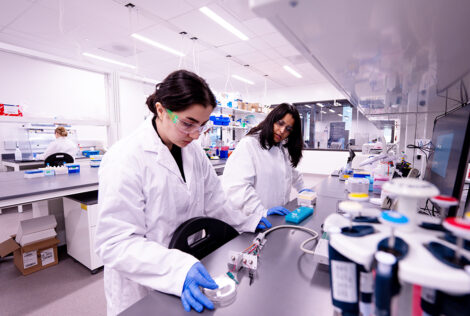
Areas of women’s health and well-being historically overlooked and underfunded are getting the attention they deserve by women-led research teams at McMaster Engineering. This International Women’s Day, learn about work to better protect women in sport, in their built environment and in reproductive and intimate health.
Guarding women from injuries
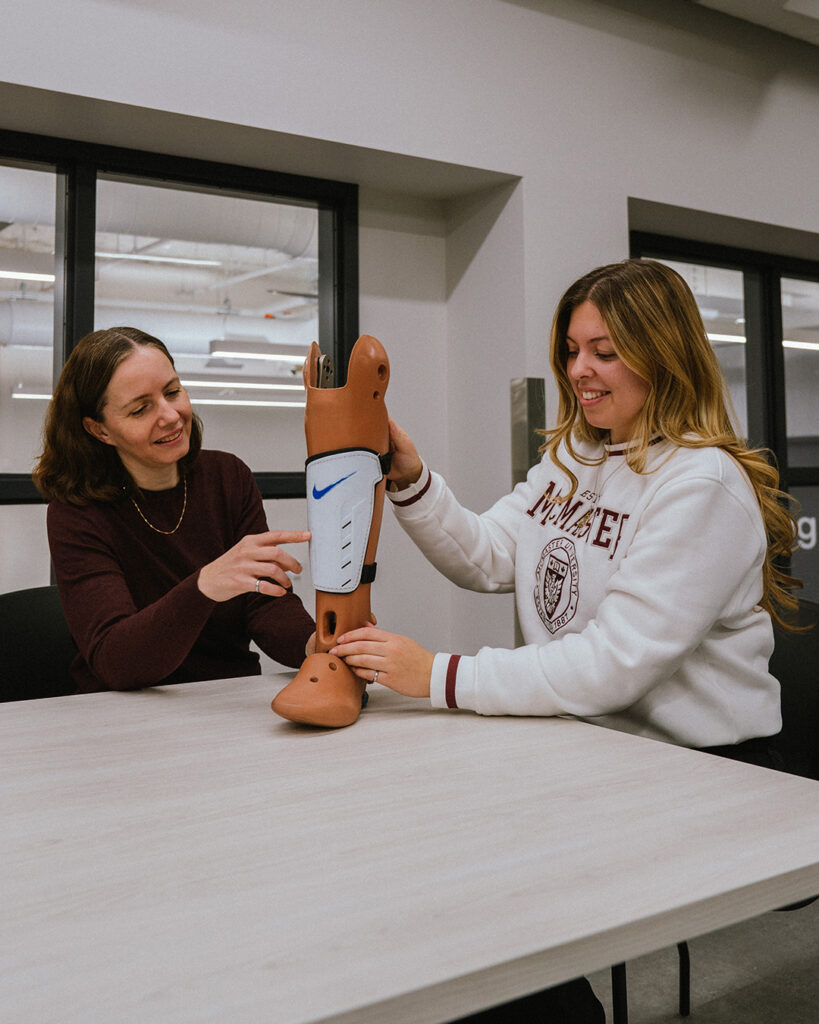
Meet Cheryl Quenneville, Associate Chair, Undergraduate and Professor, Mechanical Engineering and Associate Member, Biomedical Engineering and Erin Gray, Master’s student, Biomedical Engineering.
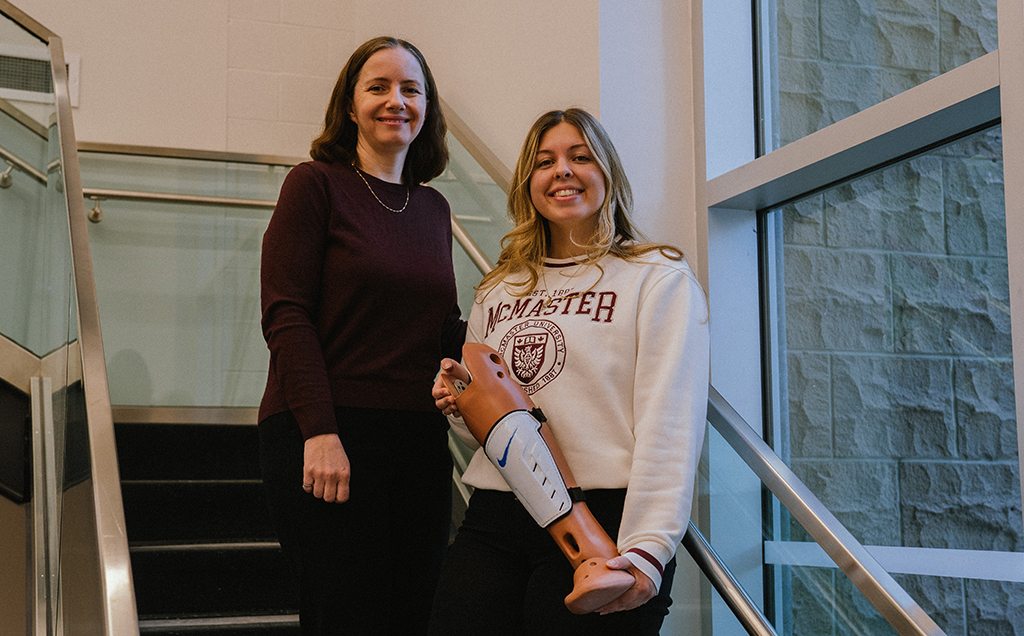
Women’s protective equipment for sports has historically been smaller versions of equipment created for men. So, inspired by the thinking that peoples’ bodies might respond differently to the same types of impact is why Cheryl and a team in the McMaster Injury Biomechanics Lab is exploring how well soccer shin guards – and other sports equipment – protect women.
The injury limits of safety equipment developed for men don’t always adequately protect women, says Quenneville. For example, with fractures and breaks, women’s bones tend to be more slender and can break with lower force. So her team, including Gray, are working to identify standard test limits to make sure that devices and safety equipment protect all people wearing them.
Another women’s health challenge the team is tackling is considering how osteoporosis – a disease that predominantly affects women as they age – can lead to fragility fractures. By identifying who is most at risk of osteoporosis-related injuries, the team’s findings can influence appropriate interventions by clinicians.
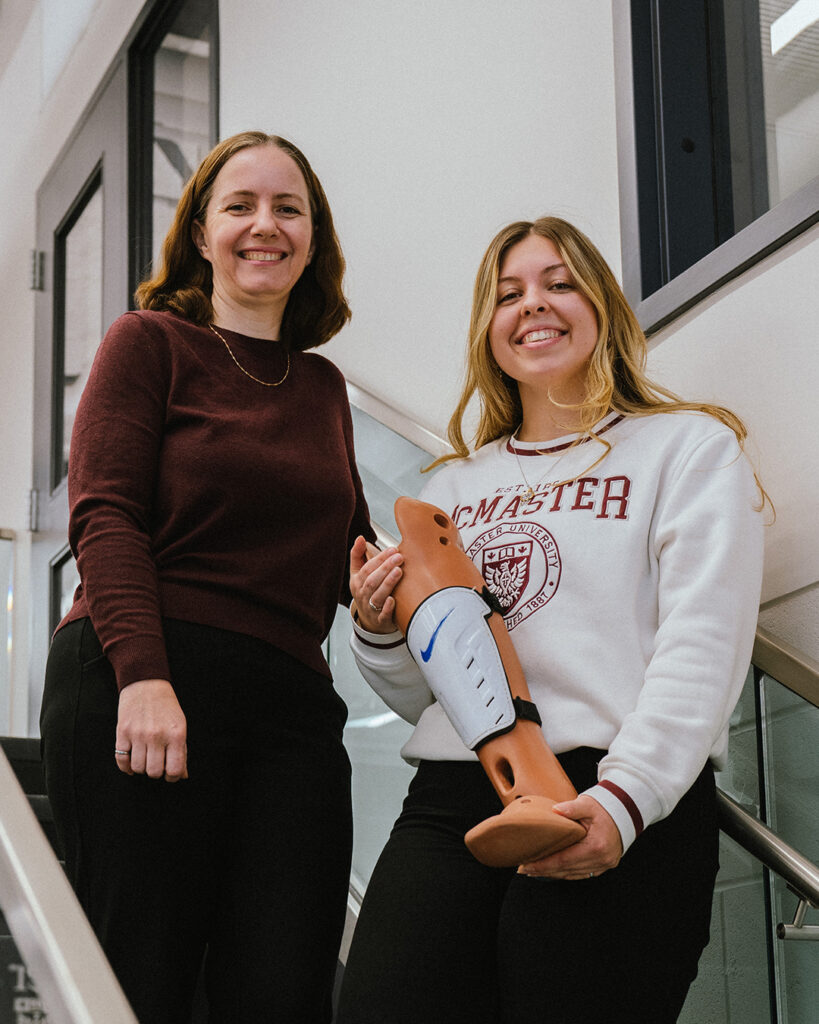
“Making engineering an inclusive place goes beyond hiring a diverse group – it’s ensuring that everybody has what they need to be their best. It’s giving women projects and courses that speak to them and their career aspirations, having an open door to be a sounding board and resource for support, and promoting and celebrating their accomplishments. It’s important to try to improve the field for those who come next, through questioning barriers to participation and providing guidance and mentorship whenever I can. I also incorporate science and engineering-themed programming into my Girl Guide group every year, which is so rewarding when you hear a ten-year-old say that she wants to be an engineer and work for NASA when she grows up!” – Cheryl on how she makes engineering for ALL women and girls.
“During my undergrad, I worked as a member of WiSE and a mentor to new students. At this time, I volunteered for Girl Guide and Go ENG Girl events, which provide the opportunity for young girls to get involved in STEM. These events create a welcoming community that supports and encourages women and girls in engineering.” – Erin on how she makes engineering for ALL women and girls.
Building safe spaces for women
Meet Zoe Li, Associate Professor, Civil Engineering and a Capstone group composed of Oishi Ray, Mahirah Rahman, Adeena Dawood, Nariman Hassan, Aneesa Shaikh and Gabriella Effah-Wiafe.
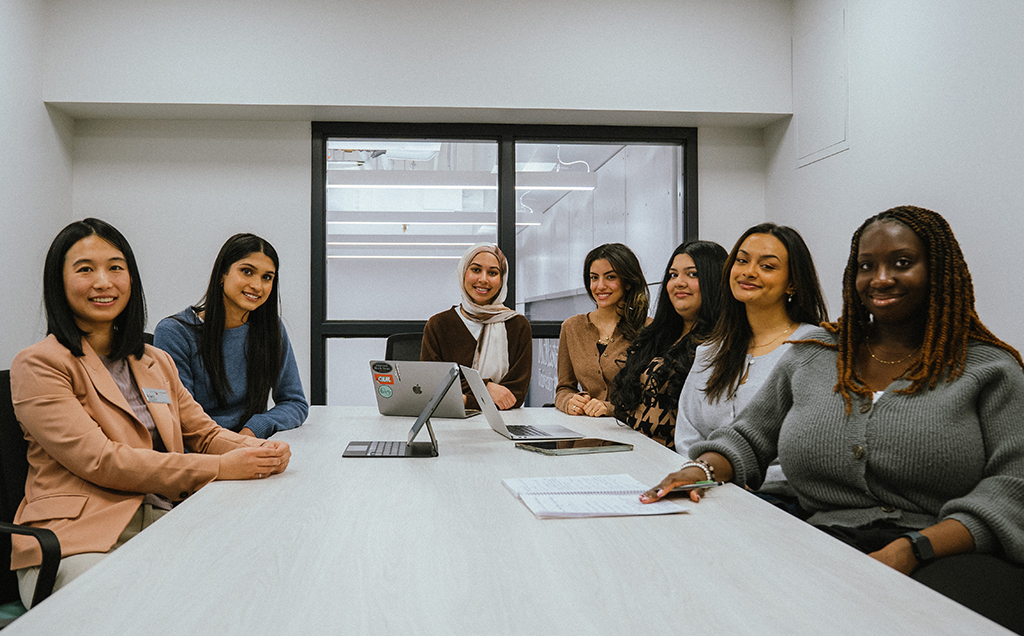
With housing insecurity disproportionately affecting women and children, particularly those leaving domestic violence situations, a team of Civil Engineering Capstone students led by Dr. Zoe Li, Dr. Sarah Dickson-Anderson, Dr. Samir Chidiac and Dr. Peijun Guo are designing a structurally sound solution. They are applying engineering and design principles to create a safe, supportive environment that fosters stability and long-term opportunity for residents of the Willow Point Transitional Home.
Prioritizing safety, dignity and inclusivity within an urban setting, the team integrated structurally stable housing designs with community-focused amenities and accessible program spaces, promoting long-term independence, stability and empowerment for women in need.
Learn more about their project and impact by visiting them at the Capstone Expo on April 7.
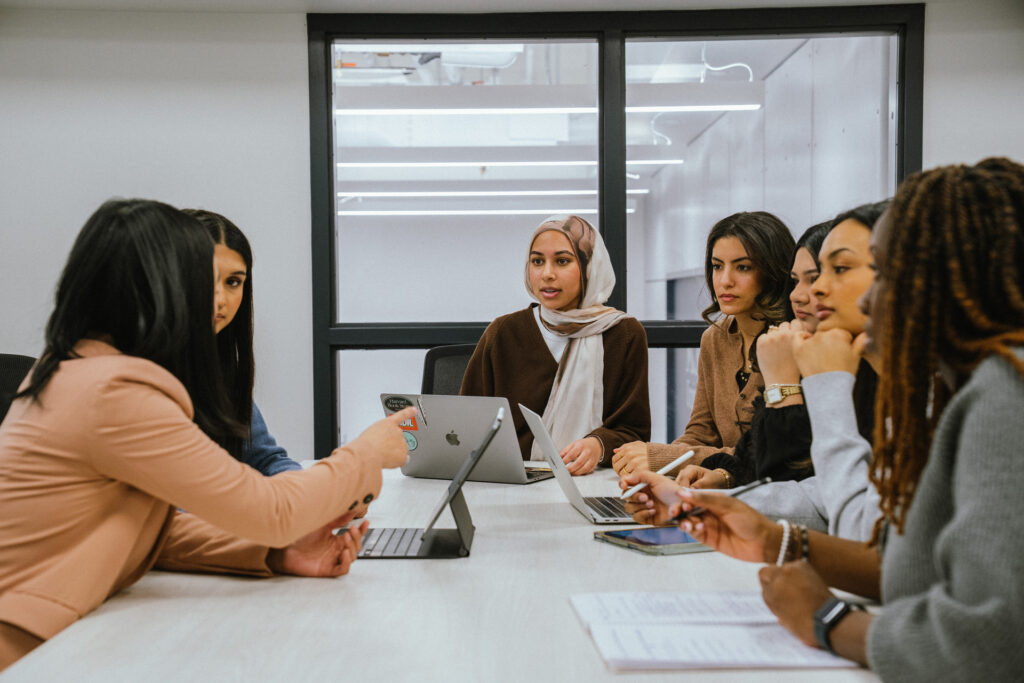
“We prioritize inclusive and human-centred design by considering safety, accessibility, and lived experiences in every stage of planning. We advocate for diverse perspectives in project discussions and support mentorship initiatives that encourage young women to see themselves in engineering. Ensuring representation and thoughtful design helps create infrastructure that serves everyone.” – the team on how they ensure engineering is for ALL women and girls.
Monitoring women’s health
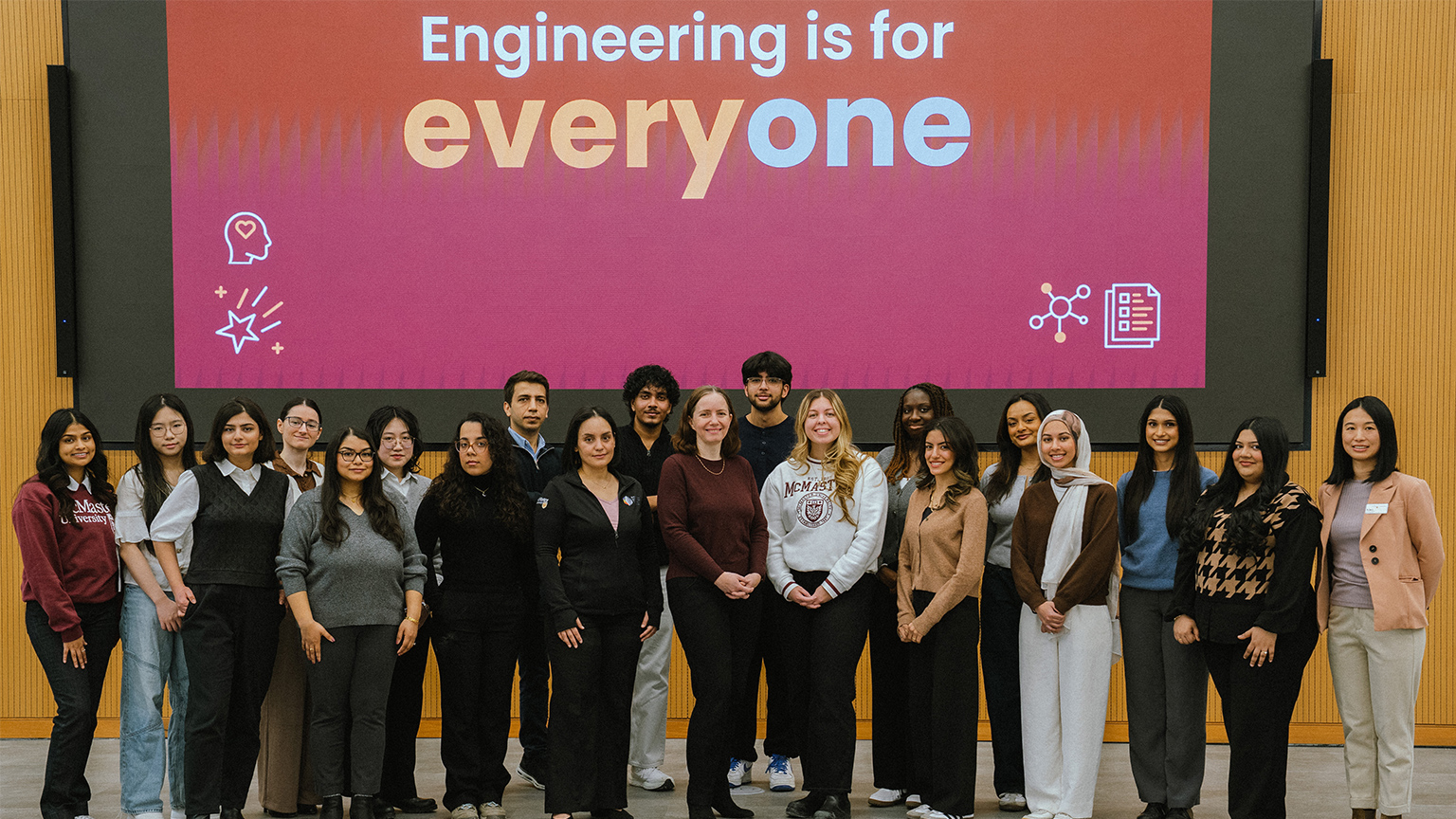
Meet Zeinab Hosseinidoust, Associate Professor and Canada Research Chair in Bacteriophage Bioengineering (Tier 2), Chemical Engineering and Associate Professor, McMaster School of Biomedical Engineering and a team of graduate students Shaghayegh Moghimi (PhD), Kavoos Razmjooee (PhD), Pranav Kolavennu (MSc), Azin Rashidy (PhD), Ekaterina Kvitka (PhD – not pictured), Justin Hume (PhD – not pictured), Shanessa Furtado (UG), Michelle Giang (UG), Cynthia Duan (UG), Sam Chalil (UG) and Akansha Prasad (PhD) and Hannah Mann (PhD) who work with Tohid Didar.
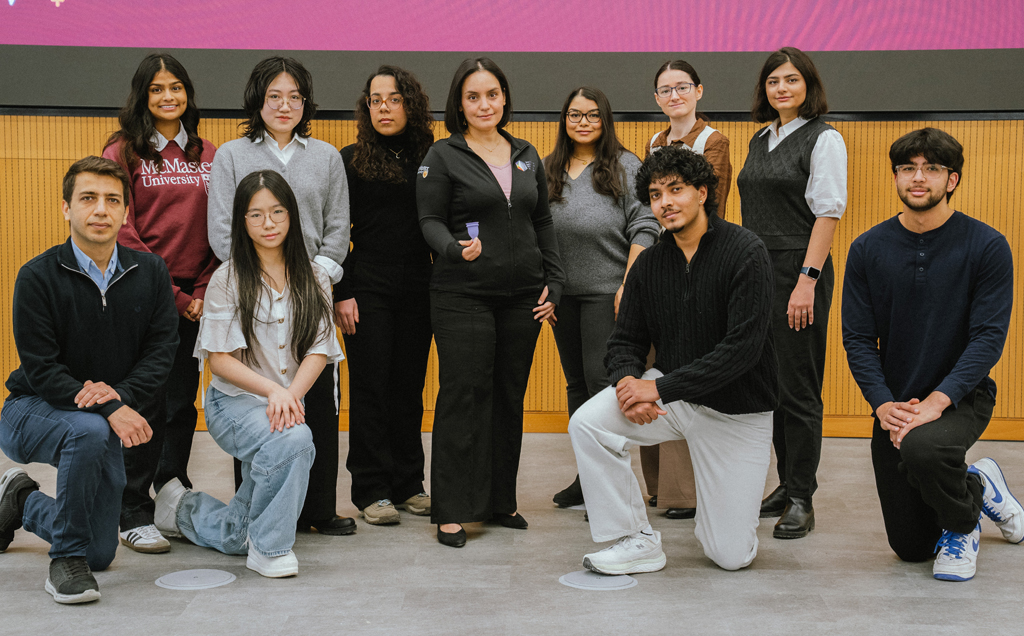
As an engineer, Associate Professor Zeinab Hosseinidoust felt a responsibility to design technologies that are not only innovative, but also equitable — solutions that are accessible, precise and grounded in real‑world needs.
With a team of graduate students and researchers, they are creating practical tools to prevent and treat infections that disproportionately affect women’s reproductive and intimate health.
More specifically, they are designing targeted antimicrobial technologies, including phage-based materials and smart diagnostics for the detection and profiling of urinary tract infections, that can be built into everyday healthcare products, like a menstrual cup.
With more attention to this often-overlooked area, they hope to reduce pain, stigma, repeat clinic visits and antibiotic overuse, while giving women faster answers and more control over their care.
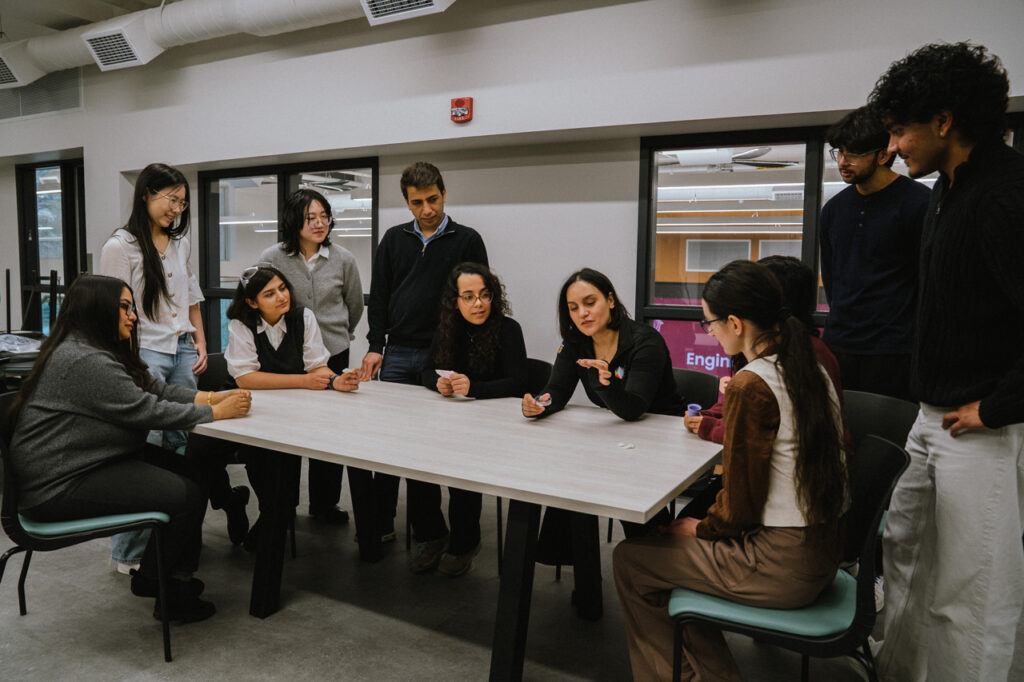
“I work to ensure engineering is for all women and girls by questioning systems that were not originally designed with us in mind. Throughout my career, I have often worked in environments where the norms, expectations, and networks were shaped long before women like me were part of the picture. I have learned to navigate that reality with resilience, and to quietly push its boundaries. I use my voice, even when it feels small, to call out biased processes, advocate for fair recognition, and raise awareness of institutional barriers. Through mentorship, sponsorship, and visible leadership, I aim to build environments where young women do not have to spend energy justifying their presence, and can instead focus on leading, innovating, and defining the future of engineering on their own terms.” – Zeinab on how she ensures engineering is for ALL women and girls.