
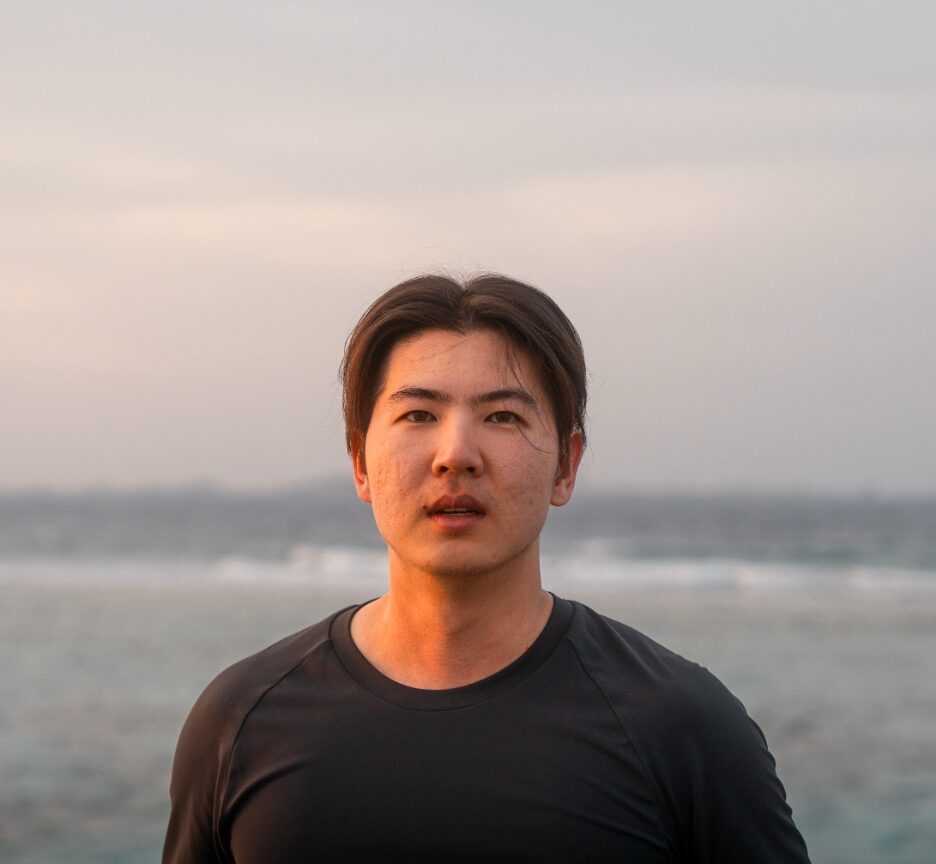
After graduating with a Mechanical Engineering degree from McMaster University in 2021, Jesse Wang has built a career shaped by ambition, adaptability and a willingness to take bold risks.
As a Product Design Engineer at Apple, Jesse helps define and execute key features of future iPhone products, working across design, implementation and large‑scale manufacturing. His role blends deep technical problem‑solving with global collaboration, ensuring Apple’s devices are both innovative and buildable.
Before joining Apple, he gained hands‑on experience at Lucid Motors and the medical device company Cepheid, contributing to diagnostic tools used widely in healthcare. A life‑changing car accident pushed him to step back, travel and ultimately pursue the opportunity that led him to Apple’s Shenzhen, China office.
During his time at McMaster, Jesse was actively involved in engineering teams, including the Solar Car Project and participated in experiential learning opportunities such as the Big Ideas trip where he was one of six students who won a trip to Silicon Valley and met alumni working at some of the biggest tech companies including Apple. These experiences helped shape his perspective on pursuing opportunities beyond familiar environments and taking initiative early in his career.
Position yourself in the most advantageous spot you can. Take risks early, aim high, and you’ll create your own opportunities instead of waiting on luck.”
Can you tell us about the work you do and how you got into it?
Our team worked on the iPhone Air when I joined back in September 2024. I worked on the manufacturing because when I joined it was in the middle of the program and the phone was working toward production.
For product design overall, you own the product definition, what features the phone should have, how the features will be implemented and how you get the phone to be manufactured. So you own the execution of the phone.
Can you expand on your career journey since graduating from McMaster?
I graduated in 2021 after a 16‑month co‑op at Husky and moved straight to California for a contract role at Lucid Motors. It wasn’t exactly a Tesla‑success-story situation, but I liked California and decided to stay. That led me to a full‑time job at Cepheid, the medical device company behind many polymerase chain reaction (PCR) testing systems.
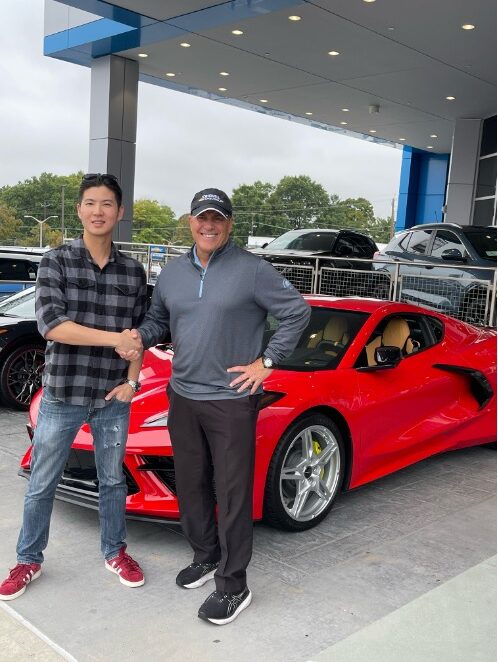
If you look at my resume, there’s a noticeable gap between Cepheid and Apple. That was because I got into a pretty serious car accident. I used to own a Corvette and one day on Highway 1, I hydroplaned, hit a barrier and spun off the road. Luckily, I walked away with mostly minor injuries, but it was a wake‑up call. I wasn’t happy after the 2022 layoffs and that moment made me realize it was time for a change. So, I quit my job and decided to travel.
Before leaving, I interviewed at a few places, Apple included. I initially went through the entire process for a product design engineer role in Shanghai and didn’t get it. That made it much easier to go travel with no obligations waiting for me.
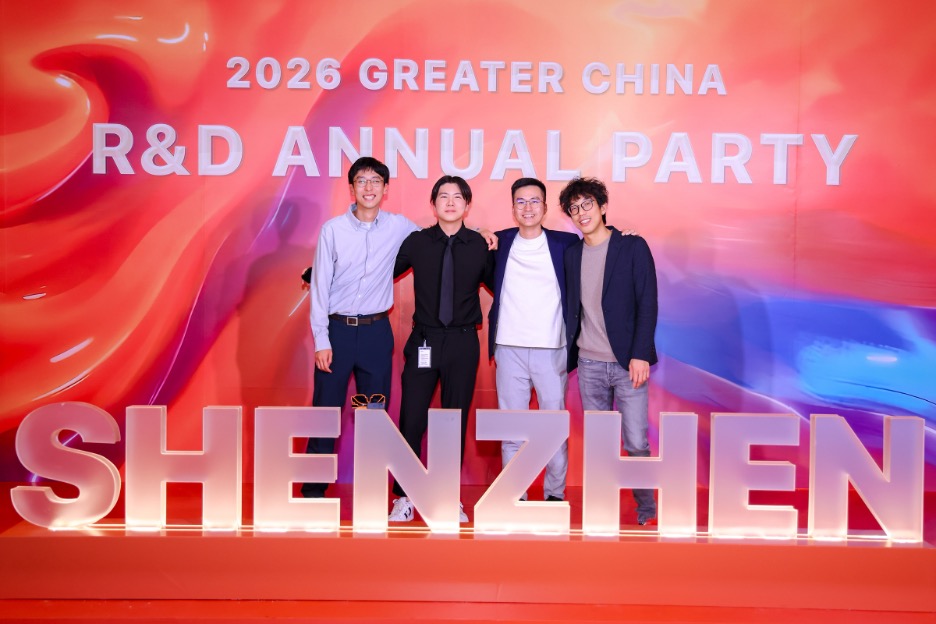
But while I was in Iceland, I got an email saying another opportunity had opened, this time in Shenzhen. Same role, different location. At that point I was ready for something new, so I took it. Four months later, I moved to the other side of the world.
I can speak Mandarin well enough, but I can’t read or write it, so I knew the transition would be tough. It took around six months to settle in, but looking back, it was absolutely the right decision.
What was it like making the decision to move and what has it been like working there?
Going in, I was mentally preparing myself because I know it was not going to be the easiest move in terms of cultural differences and the language barrier. But in hindsight, I’m very satisfied with my decision.
Working there has been both very demanding as well as rewarding. With tight release schedules, there’s a lot of pressure for you to execute and perform the work and follow very tight deliverable timelines. But at the same time, you get to know that your work will be very visible to the population when the product comes out and you get to see how they react to it.
What sets someone apart when applying to Apple?
Persistence. I’ve interviewed at Apple three or four times for different teams, large display, small display, product design (Shanghai) and didn’t get any of them.
The process is intense: recruiter screening, hiring manager interview, a take‑home assignment and then a full day of panel interviews with seven or eight people.
The job I finally got came from an unexpected opportunity opening in Shenzhen. They offered it without making me go through the entire loop again.
Sometimes it’s luck and timing. And honestly, being physically in the Bay Area helps — once you’re in that talent pool, it’s easier to move around than trying to break in from the outside.
Can you tell us about your most memorable experiences at McMaster, including the Big Ideas trip?
That trip was probably one of the most profound memories. It’s been more than five years, so my memory is getting a bit hazy. But that trip was a significant moment that really showed an impressionable young Jesse that there are lots of cool opportunities outside of your immediate town or city.
It’s something worth putting in the effort to go and apply to those jobs, however remote or far those places might seem. So, it was very inspirational. And I hope the Faculty does something similar for future students as well.
What was your academic experience like?
I was actually a pretty mediocre student. If you pulled my transcript, you wouldn’t be impressed — it was average across the board. That’s why I always say grades don’t tell the whole story.
Classes matter, of course, but they’re only one part of a much bigger picture. Your coursework really comes together with your co-op experiences and extracurricular involvement to create a completer and more compelling story. For me, the co-op program and the engineering car teams played a far more significant role in shaping my engineering skills. The faculty has done a great job supporting and funding those teams and that hands-on experience ended up being far more influential than anything reflected on my transcript.
Can you talk about your involvement with the Solar Car team?
I was involved with the McMaster Solar Car Project during my time at McMaster and it was a great hands-on experience alongside my studies. I saw recently that the team launched a new four-seater car and competed in Texas last summer and I’d love to see what they’re working on the next time I’m back on campus.
I’d also like to give a shoutout to Ron Haber from electrical engineering, who was one of the Solar Car team captains. He always came across as very mature and well put together and he was someone you could really look up to and aspire to be like after graduating. He made a strong impression on me as both a leader and a person.
What advice would you give your first-year self?
Be ambitious. Set your standards high right from the beginning. You can always adjust if you overshoot, but if you start with low expectations for yourself, it’s a lot harder to raise them later. Having ambition early on sets the tone for your entire degree.
What advice would you give your newly graduated self?
Take risks. If the job market is good, you’re in a better position to take risks. Take jobs that might be riskier, move to a different country, or chase a startup you want to work for.
As a new grad, the penalty for taking risks is probably the lowest it will be in your life. You don’t have serious commitments, so it’s okay to take risks and fail. Fortune favors the bold.
Alumni Blueprints is a Q&A series that highlights the journeys of exceptional McMaster Engineering alumni. Discover how they built their careers, from joining student clubs and teams to seizing co-op opportunities that ignited their passions during their undergraduate years. Our alumni share their unique stories and insights, offering a blueprint for success in their respective fields. Want to share your blueprint for success? Contact the Alumni Team at engalum@mcmaster.ca.