

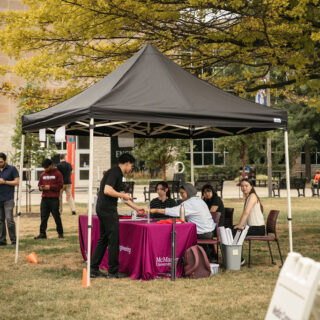
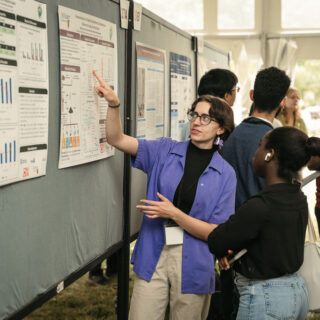
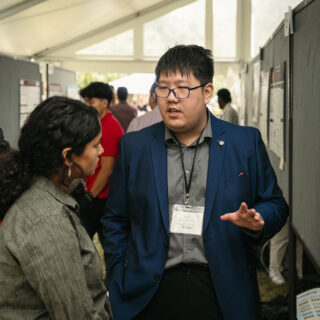
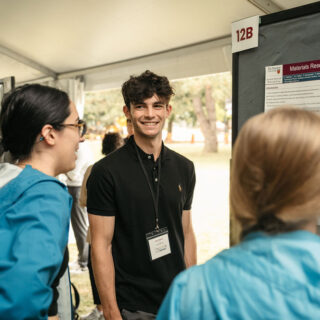
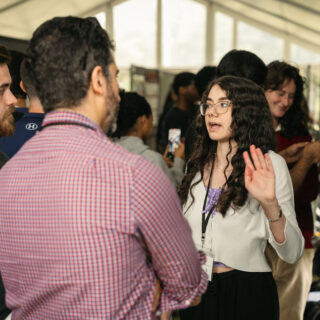
Explore the ideas shaping the future of engineering at the Undergraduate Research Poster Showcase, where McMaster students present the innovative work they’ve been immersed in all summer – from cutting-edge technologies to real-world solutions.
Event information
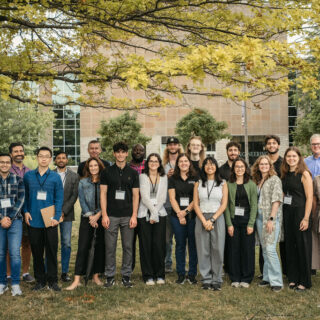
Hosted by McMaster Engineering, The Centre for Career Growth and Experience, and the McMaster Society for Engineering Research (MacSER), this free event brings together students, faculty, staff, industry and the public to celebrate curiosity, creativity and discovery.
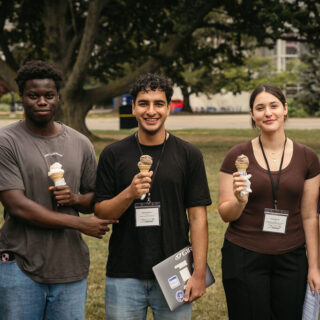
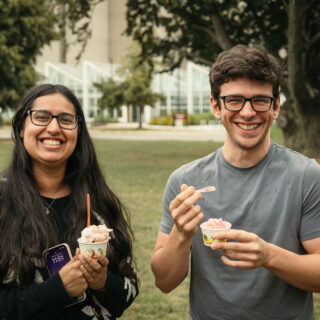
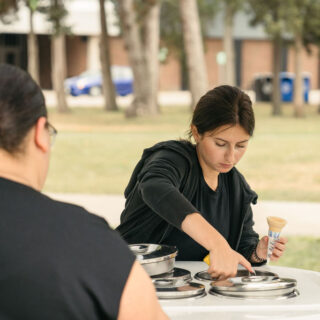
Oh, and did we mention free ice cream?*
Details:
- Thursday, August 20 from 10 a.m. to 2 p.m. – Drop-in style
- JHE Candu Core (new design studio in the John Hodgins Engineering building on McMaster University’s campus)
- Paid parking available on campus – more information on Parking Services
*Ice cream while supplies last. We will do our best to ensure a variety of flavours but we can’t guarantee we’ll be able to accommodate all dietary needs.



| Solar reforming is a recent technology involving the use of sunlight to drive chemical reactions, converting low value compounds such as glycerol into increased value products. However, a major challenge regarding solar reforming is the development of stable photoanodes for photoelectrochemical systems. This work focuses on the development of a TiO2 based photoanode for use in a 3 electrode photoelectrochemical cell (PEC). Methods such as incorporation of indium tin oxide (ITO) nanoparticles, substrate sanding, sintering, and water addition were used to improve photoanode performance. The created photoanode generates an increased photocurrent when exposed to UV illumination. Addition of water and sintering significantly increased durability, while incorporation of ITO nanoparticles, substrate sanding, and sintering all resulted in increased photocurrent density. These results demonstrate that fabrication alterations to TiO2 based photoanodes can drastically improve stability and photocurrent production, supporting their application to solar reforming systems. Author: Alex Sikman |
| Healthcare-associated infections remain a major healthcare challenge, affecting nearly 1.7 million hospitalized patients annually in the United States each year. Quaternary ammonium compounds (QACs), which are widely used anti-infective agents found predominately in surface disinfectants, offer a promising strategy for developing more effective antibacterial materials. The antibacterial activity of QACs is due to the positive charge and long hydrophobic alkyl chain, which induce death in bacterial cells by disrupting the cell membrane. Recent work from the Hoare Lab incorporated QACs into poly(oligo ethylene glycol) methacrylate (POEGMA) polymers to develop antibacterial materials for applications in wound dressings and surface coatings. Three different formulations were developed, 1) a short-chain formulation (POEGMA-QA), in which QACs are positioned close to the polymer backbone, 2) a tethered formulation (POEGMA-QT), where extended oligo(ethylene glycol) chains position the QACs farther from the backbone, and 3) a combined formulation containing both versions (POEGMA-QA-QT). The tethered polymer, POEGMA-QT was 129-fold more potent than POEGMA-QA against the gram-negative bacterium P. aeruginosa, whereas POEGMA-QA was 32-fold more potent than POEGMA-QT against the gram-positive bacterium, S. aureus. Interestingly, the combined formulation demonstrated high effectiveness against both bacterial strains, including approximately two-fold greater potency against S. aureus than either individual polymer. Future work will focus on optimizing the composition of POEGMA-QA-QT to maximize antibacterial efficacy while minimizing cytotoxicity. Ultimately, this work will contribute to the development of more effective and cytocompatible materials using QACs for use in wound care and surface disinfectants, helping address the ongoing need for improved strategies to reduce healthcare-associated infections. Authors: Alina Asad, Evelyn Cudmore, Mya Sharma, Todd Hoare |
| Osteoarthritis (OA) is the most common degenerative joint disease worldwide, affecting 6.36% of the population as of 2019, with that number expected to rise considerably in coming years. Currently, viscosupplements are the leading treatment option, providing joint lubrication and support while being minimally invasive. However, most commercially available viscosupplements are based on hyaluronic acid, which degrades rapidly within the body and shows inconsistent efficacy. To address this, hydrogels have been developed from poly[2-(methacryloyloxy)ethyl]dimethyl-(3-sulfopropyl)ammonium hydroxide (DMAPS)-based zwitterionic polymers functionalized with hydrazide (ZH) and aldehyde (ZA) groups. These polymers have demonstrated increased efficacy and longer in-situ residence times, but the synthesis of ZH polymers does not scale efficiently to large GMP-compatible batch sizes. We propose a new ZH production method that uses DMAPS and a synthesized methacrylate based monomer to reduce the number of steps required for ZH synthesis. This work will describe the process design for this new method, working with mixed solvent systems to balance properties of the hydrophobic methacrylate monomer and hydrophilic DMAPS. Progress and intermediates are continuously characterized for molecular weight, dispersity, composition, and viscosity using gel permeation chromatography (GPC), nuclear magnetic resonance (NMR), elemental analysis (EA), conductometric titration, and infrared spectroscopy. Authors: Alyssa Galvin, Mara Jenkins, Todd Hoare |
| For over a century, the Haber-Bosch process has dominated industrial ammonia production, but its reliance on fossil fuels has driven substantial CO2 emissions. At the same time, nitrogen fertilizer use and industrial wastewater discharge have contaminated water resources with nitrate, causing eutrophication and posing human health risks. Electrochemical nitrate reduction to ammonia offers a dual-purpose solution, simultaneously reducing reliance on Haber-Bosch and mitigating nitrate contamination. Copper is among the most promising catalysts for this reaction, owing to its low cost and high activity, but it is prone to restructuring and suffers from limited ammonia selectivity. While morphology tuning has improved copper’s performance, prior studies rely predominantly on H-cells, which behave very differently from membrane electrode assemblies (MEAs) that operate under industrially relevant conditions. This work examines how catholyte flow rate, membrane/ionomer selection, and mass loading affect the performance of copper nanowires for nitrate reduction to ammonia in an MEA. We achieved ammonia partial current densities approaching 700 mA/cm² at 3 V. These findings informed the design of a tandem copper nanowire/iron-nitrogen-carbon (CuNW/FeNC) catalyst targeting higher ammonia selectivity. We demonstrate that operating conditions significantly influence catalyst performance and that tandem catalyst design offers a promising route for improved ammonia selectivity. Authors: Amber Chen, Navid Noor, Leah Pare, Drew Higgins |
The growing demand for sustainable and biodegradable materials has increased interest in polysaccharide-based systems as potential alternatives to conventional synthetic adhesives. Pullulan and carboxymethylcellulose (CMC) are two water-soluble polysaccharides that exhibit excellent film-forming properties, biocompatibility, and extensive hydrogen-bonding capabilities. In combination with glycerol, a widely used plasticizer, these materials can form complex intermolecular networks that influence mechanical performance, flexibility, and adhesive behavior. Despite their technological relevance, the molecular mechanisms governing interactions among polysaccharides, plasticizers, and water remain incompletely understood. Molecular dynamics (MD) simulations provide a powerful approach to investigate these systems at the atomistic level and establish relationships between molecular organization and macroscopic properties. This project employs all-atom molecular dynamics simulations to study hydrated mixtures containing pullulan, carboxymethyl cellulose, glycerol, and water. The simulations aim to characterize intermolecular interactions, hydrogen-bond networks, polymer conformations, and the structural organization of the components under different conditions. The long-term objective is to identify molecular features associated with enhanced cohesion and adhesion in polysaccharide-based materials. The knowledge generated from this work may contribute to the rational design of renewable and environmentally friendly adhesive formulations with potential applications in packaging, coatings, and bio-based materials. Authors: Andrés Mogollón, Andrea González, Li Xi. |
| The growing use of renewable energy sources such as solar and wind has increased the need for safe, affordable, and reliable large-scale energy storage. Although lithium-ion batteries are widely used in portable electronics, concerns over limited lithium resources, environmentally intensive mining, and flammable electrolytes have driven the search for alternative battery technologies for grid-scale energy storage. Aqueous zinc-ion batteries are a promising option because they can be made using abundant materials and water-based electrolytes. However, their performance is limited by current cell designs, particularly the use of stainless steel components, which promote unwanted side reactions in aqueous electrolytes that accelerate battery degradation and shorten cycle life. In this work, we investigated alternative cell components to improve the performance of aqueous zinc-manganese dioxide batteries. Aluminum, copper, nickel, titanium, bronze, and brass foils were evaluated by placing them between the inactive and active components on the cathode and anode sides of batteries. Electrochemical performance was assessed using galvanostatic cycling and cyclic voltammetry. Brass on the anode side and titanium on the cathode side exhibited the highest capacity retention over 200 charge-discharge cycles using only 50 μL of electrolyte. These findings demonstrate a simple cell design strategy to improve the stability and practicality of aqueous zinc-ion batteries for grid-scale energy storage. Authors: Angel Ma, Yuzhen Deng, Siddhant Singh, Ramesh Sahoo, Gillian Goward, Drew Higgins |
As the world moves away from fossil fuels that contribute to global warming, the use of biofuels is rising. The rapid expansion of biodiesel has resulted in an oversupply of glycerol byproduct (10-16% w/w), causing industries to burn it as waste and release more greenhouse gases. It is crucial to find a cost-effective and efficient way to convert glycerol into its many byproducts that are high in demand and have use in various industries. We demonstrate a pulsed electrochemical system that converts glycerol into its value-added products with high selectivity and stability. Glycerol oxidation was carried out in a 3M KOH + 1M glycerol solution for 1.5 hours using a bifunctional nickel-gold catalyst with varying pulse conditions. Compared to pulse conditions of 1 V vs RHE and 1.25 V vs RHE, adding a surface cleaning pulse potential (0.55 V vs RHE) reduced activity decay from 42% to 19%. Oxidation with a Au electrode favoured glycolic acid (68%) at 1.25 V vs RHE, while the NiF/Au catalyst increased selectivity of lactic acid (19%) and glyceric acid (26%). Periodic pulses allow for removal of AuOx and refresh Ni(OH)₂ active sites, allowing for sustained and tunable production of high-value acids. Here we demonstrate a durable, low-energy route to high-value acids from glycerol waste.
Authors: Caitlyn Horton, Michael McLaren, Charles de Lannoy, David Latulippe
| Monoclonal antibodies (mAbs) are a leading class of therapeutic drugs, but their production is complicated by two persistent quality problems: antibody molecules can clump into aggregates, which lose therapeutic activity and may trigger harmful immune responses, and the product must also be separated from process-related impurities. Industry addresses these with multiple chromatography steps, which are costly, and with tangential flow filtration, whose repeated high-shear pumping can itself promote aggregation. This project investigates a gentler membrane-based alternative: carrier phase ultrafiltration and backflow recovery (CPUFBR), which exploits concentration polarization to concentrate retained species at a membrane surface, and then recovers them undiluted by briefly reversing the direction of flow. Building on this approach, a two-stage CPUFBR process was designed to purify trastuzumab, an IgG1 antibody. Authors: Shianen Cheng, Mrunal Ingawale, Raja Ghosh |
The persistence of petroleum-based plastics such as polystyrene in the environment has driven urgent demand for biodegradable alternatives. Many biodegradable polymers derived from natural sources have been developed, however this often requires harvesting and processing of bulk biomass, a labour and resource intensive process which has limited scalability. This project investigates the potential to synthetically reproduce polymers made from plants themselves as a biodegradable alternative to current petroleum based plastics. This study investigates a latex exuded by Ficus benjamina upon leaf cutting, which spontaneously polymerizes into a hard, biodegradable amber resin. Natural product extraction has identified various phenolic and terpenoid compounds present in the resin, with candicine, a quaternary ammonium derivative of tyrosine, as the key monomeric unit. Synthetic candicine was prepared in two steps from commercially available tyramine, and was shown to undergo a Hoffman elimination to yield 4-hydroxystyrene. This 4-hydroxystyrene is proposed to tautomerize into para-quinone methide, which is hypothesized to yield poly-methylbenzyl ether via a cationic step-growth oligomerization, a non-radical pathway distinct from typical polystyrene formation. Functionalized styrene monomers will then be synthesized to tune polymer stability and enable block copolymer or crosslinked resin formation, with resulting materials evaluated for biodegradation behavior and performance against polystyrene in packaging, foam, and adhesive applications.
Authors: Christian Humeniuk, Gurpreet Kaur Randhawa, Todd Hoare
Therapeutic proteins represent an important class of pharmaceuticals requiring frequent administration because of limited stability, rapid clearance, and poor bioavailability. Controlled drug delivery vehicles are utilised to help overcome this and protect the proteins from degradation and enable sustained release, improving patient adherence. Ultrasound-responsive hydrogels provide a promising approach; ultrasound can modulate responsive polymer networks to enable controlled and on-demand drug release. However, clinical translation remains limited by passive drug diffusion in the absence of stimulation (“off-state release”), reducing dosing precision. This project aims to optimise an interpenetrating polymer network (IPN) hydrogel for ultrasound-triggered protein delivery. The IPN design incorporates an ionically crosslinked sodium alginate-calcium chloride network to provide mechanical stability alongside a secondary dynamic covalent network from aldehyde and hydrazide functionalised POEGMA. HIFU experiments were performed using different ultrasound exposure regimes to evaluate triggered release behaviour and assess whether enhanced release could be achieved while maintaining hydrogel integrity. Rheological analysis, including storage (G′), loss (G″) modulus, and tan δ measurements, was performed before and after ultrasound exposure to assess changes in viscoelastic properties. Hydrogels were characterised to evaluate the relationship between network composition, structural stability, and release behaviour. FITC-dextran of varying molecular weights was incorporated to investigate the influence of molecular size on release kinetics, with subsequent studies extending to human growth hormone (hGH), where release was quantified using enzyme-linked immunosorbent assay (ELISA). Preliminary findings demonstrate enhanced protein release following HIFU stimulation compared with unstimulated controls, while ongoing characterisation is being used to optimise hydrogel formulations and balance triggered release with mechanical stability.
Authors: Esha Mansoor, Kayla Baker, Todd Hoare
Additive extraction from polyvinyl chloride (PVC) is an important process that has been studied to improve the recyclability of the polymer. PVC additives are broadly categorized as inorganic and organic additives, with inorganic additives including pigments, fillers, and flame retardants. Antimony trioxide (ATO) is a commonly used flame retardant and is a critical raw material subject to volatile pricing. Solvent–antisolvent methods followed by liquid–liquid extraction provide a means of removing targeted additives and legacy compounds through additive dissolution and the selective recovery of PVC as a precipitate. This study investigates the use of solvent–antisolvent precipitation and liquid–liquid extraction for ATO removal by modifying the pH of the antisolvent and adding hydrogen peroxide as an oxidizing agent. PVC was dissolved in an organic solvent for 24 hours to promote the release of ATO from the polymer matrix into the solvent. A mild organic acid was then added to induce PVC precipitation, resulting in distinct phase separation, with the precipitated PVC remaining at the interface. The liquid phases were separated, enabling PVC recovery while leaving the extracted antimony in the liquid phase. The recovered PVC was filtered and analyzed using inductively coupled plasma mass spectrometry (ICP-MS) to determine its residual antimony content. High antimony extraction efficiencies were observed across a range of organic acid pH values. Extraction improved at lower pH values and with the addition of hydrogen peroxide. Following the identification of the optimal extraction conditions, further studies were initiated to recover antimony from the leachate. Overall, the results demonstrate that solvent–antisolvent precipitation combined with liquid–liquid extraction can improve the compositional control and purification of PVC waste streams. In a broader context, the removal of legacy additives through this process may further support sustainable manufacturing by enabling more PVC waste to re-enter the circular economy.
Authors: Jada Kim, Panchali Anuchani, Li Xi, Kuschal Panchal, Roozbeh Mafi
Peristaltic pumps are widely employed in mammalian cell perfusion and bioprocessing applications; however, they are prone to generating high-shear environments, negatively impacting cell health. Shear-protective cell media additives, such as polymers, are a promising solution to protect cells while maintaining existing pumping infrastructure. This research investigates whether the addition of polyethylene glycol (PEG) to cell cultures can protect against the mechanical shear of peristaltic pumps and enable their continued use in cell-based research. PEG was selected as a shear-protective additive based on its ability to rapidly repair cell membranes in neurons that have undergone traumatic mechanical injury. The reparative effects of PEG inspired its use in this application with Chinese Hamster Ovary (CHO) cells. A range of three PEG molecular weights of 400, 4000 and 20000 Da, and concentrations were screened in CHO flask cultures, where cell growth, viability and osmolality were monitored. Selected conditions were evaluated in the Ambr® Crossflow bench-scale system, where PEG-treated and control cultures underwent extensive peristaltic pump testing to mimic a real bioprocessing application. The number of live cells were quantified over repeated pump passes through the system to assess PEG’s efficacy in preventing cell damage. PEG with a molecular weight of 4000 Da at concentrations of 0.2, 1, and 5 g/L maintained cell growth, viability, and osmolality comparable to control cultures. Preliminary studies demonstrated improved preservation of cell health during repeated peristaltic pump passes in PEG-supplemented cultures. The effects of PEG were compared against cultures lacking shear-protective additives and cultures containing a validated polymeric shear protectant known to reduce sparging-related shear in bioreactor systems. This research suggests that PEG shows promise as an effective cell-protection strategy in peristaltic pump systems and could aid in the expansion of small-scale cell and fouling studies, supporting the development of robust biomanufacturing processes.
Authors: Kaitlin Campagna, Erica O’Brien, David Latulippe
Petroleum-based plastics have caused severe environmental damage, harming marine life, accumulating in ecosystems, and overcrowding landfills. Biodegradable plastics made from renewable materials are a promising solution, with protein-based films standing out for their biodegradability and film-forming properties. However, challenges remain regarding their mechanical strength, water resistance, and production costs. Our research addresses these barriers by creating a cost-effective, robust, and moisture-resistant bioplastic using canola meal, a waste byproduct of canola oil production. We used canola proteins to form stable nanoemulsions (median diameter 20.28 ± 0.92 µm; span 6.22 µm), which enabled the production of homogeneous, hydrophobic packaging films. By combining these nanoemulsions with polyethylene glycol diepoxide (PEG-DE), glycerol, and canola proteins, we fabricated thin films that are flexible, hydrophobic, semi-transparent, and non-adhesive. These promising results provide a foundation for developing sustainable, meal-based bioplastic films capable of replacing conventional plastics.
Authors: Leah Pare, Ava Ettehadolhagh, Todd Hoare
Hydrogels typically suffer from an inherent trade-off between lubricity and durability, as high load-bearing capacity requires densely crosslinked polymer networks that limit water retention and thus lubricity. Interpenetrating polymer network (IPN) hydrogels are an innovative class of hydrogels known for their unique structure consisting of multiple differently crosslinked polymers. They combine a rigid and brittle first network coupled with a softer second network, enabling superior mechanical strength and resilience compared to single network hydrogels. In this project, a novel type of IPN hydrogel will be developed in which the second network is designed to achieve high lubricity without compromising the exceptional mechanical strength. A library of IPN hydrogel formulations was synthesized, informed by existing literature and iterated using the Prediction Reliability Enhancement Parameter (PREP) statistical framework recently developed in our lab. The crosslinking method, network formation strategy (sequential vs. simultaneous), and solvent mixture were systematically varied and the gels were tested for compressive and storage modulus, elongation at break, and lubricity. A novel methodology for friction testing was also developed to better simulate real-world friction applications. These results were measured and fed back into the PREP framework to identify recipes that optimize both strength and lubricity. We anticipate this work will yield an IPN hydrogel that overcomes this long-standing fundamental trade-off, unlocking new hydrogels suitable for wear-resistant lubrication. Authors: Lily Eysenbach, Kayla Baker, Todd Hoare |
| Size-switching nanocarriers have emerged as a promising strategy in targeted oncology by addressing the tradeoff between prolonged circulation and deep tumor penetration. To avoid rapid renal clearance, delivery vehicles require a large diameter (~150 nm); however, effective penetration into dense tumor tissue requires significantly smaller dimensions (~20–50 nm). Triggerable supramolecular assemblies address this challenge by maintaining a stable transport state until localized stimulation induces controlled disassembly at the tumor site. This project evaluated the physical stability, size distribution, and ultrasound responsiveness of supramolecular nanoassemblies composed of poly(oligo(ethylene glycol) methacrylate)-co-poly(2-tetrahydropyranyl methacrylate) (POEGMA-co-THPMA) crosslinked with alpha-cyclodextrin (α-CD) to encapsulate ultrasmall starch nanoparticles (SNPs). Nanoassembly stability and structural disruption were assessed following incubation at physiological temperature (37°C) and after sequential ultrasound exposures (1×, 2×, and 3×). Dynamic Light Scattering (DLS) and Nanoparticle Tracking Analysis (NTA) were used to monitor changes in hydrodynamic diameter, while zeta potential measurements characterized surface charge. The nanoassemblies remained stable at 37°C, indicating their ability to maintain structural integrity under physiological conditions. Following sequential ultrasound exposure, DLS and NTA detected shifts in particle size distributions consistent with supramolecular disassembly, demonstrating the platform’s capacity for stimulus-responsive structural disruption. Together, these findings support the potential of this supramolecular platform as a size-switching delivery system that combines circulation stability with controlled, ultrasound-triggered disruption to enhance tumor penetration. Authors: Madison Zanette, Meghan Kostashuk, Todd Hoare |
| The demand for sustainable alternatives to conventional plastics has increased interest in biodegradable polymer blends with tailored mechanical properties. The goal of this project is to develop machine learning models that can both predict the mechanical properties of biodegradable polymer blends and identify formulations that achieve desired performance targets. The study focuses on blends of poly(lactic acid) (PLA), poly(butylene adipate-co-terephthalate) (PBAT), and thermoplastic starch (TPS), with hemp fiber and calcium carbonate (CaCO₃) incorporated as reinforcing fillers. Polymer blends were prepared through melt blending and characterized using tensile testing to measure tensile strength and secant modulus. A Gaussian Process (GP) regression model was developed as the forward model to predict mechanical properties from blend composition. The trained model was then incorporated into an inverse design framework to identify material compositions that meet specified tensile strength and modulus targets. Model validation is currently being carried out by experimentally testing the predicted formulations and comparing the measured properties with the model predictions. Preliminary results indicate that the models capture the relationship between blend composition and mechanical properties and show promise for reducing the reliance on trial-and-error formulation methods. Ongoing validation will assess the accuracy and reliability of both the forward and inverse models. This work demonstrates the potential of integrating experimental characterization with machine learning to accelerate the development of biodegradable polymer composites. Once validated, the proposed framework could provide an efficient approach for predicting material performance and optimizing formulations for desired mechanical properties. Authors: Manreet Kaur, Lubhan Cherwoo, Dr Li Xi |
| Perfusion bioreactors are increasingly used as a continuous manufacturing platform for monoclonal antibody (mAb) production because they enable higher volumetric productivity while reducing facility footprint. Chinese Hamster Ovary (CHO) cells, a predominant host cell line for mAb production, remain sensitive to changes in osmolality (a measure of solutes in the bioreactor). Osmolality must be maintained within a strict range to prevent metabolic changes in the cells, including cell growth and mAb production. Despite its importance, osmolality remains difficult to monitor and control because it is typically measured through intermittent offline sampling, providing only discrete snapshots of a continuously changing culture environment. The absence of an online monitoring strategy limits process automation and the implementation of advanced control strategies in perfusion bioreactors. This study evaluates the feasibility of real-time osmolality estimation using online process measurements routinely collected during perfusion culture. It was found that the relative contributions of individual osmolytes to total osmolality changed throughout the duration of a perfusion run. As cells consume nutrients and produce byproducts, the levels of individual osmolytes change dynamically, even when the overall osmolality remains relatively constant. Several key osmolytes, including glucose, were identified to trend with the changes in osmolality. These findings provide the foundation for developing a model capable of estimating osmolality using online measurements of key osmolytes, including glucose. With glucose measurements already provided continuously using technologies such as electrochemical sensors or Raman spectroscopy, it represents a practical online input for real-time osmolality estimation. Ultimately, this approach supports the advancement of automated continuous biomanufacturing processes, leading to more predictable and consistent mAb production. Authors: Marie Henderson, Adrian Foell, Brandon Corbett, Prashant Mhaskar, David Latulippe |
Glycosylation, the attachment of sugar structures to proteins, is a critical quality attribute that influences the product safety and efficacy of biotherapeutics. However, current glycan analysis methods are performed offline, preventing real-time assessment of glycosylation changes during production. Bio-layer interferometry (BLI) offers a rapid, label-free approach to real-time glycan monitoring using lectin-based biosensors. However, these biosensors are currently limited to single-use per sample. To enable flow-based BLI applications, biosensors must be capable of repeated use across continuous samples. While regeneration strategies for lectin-based BLI biosensors remain unexplored, published methods from related lectin-based techniques (lectin affinity chromatography and surface plasmon resonance) guided our evaluation of chelating agent- and low-pH-based regeneration protocols. This study used a pan-sarbecovirus protein antigen from the Vaccine and Infectious Disease Organization (VIDO) as the model glycoprotein and a no-antigen control to assess repeated regeneration and rebinding cycles of mannose- and sialic acid-binding biosensors. Similar decreases in biosensor response were observed during regeneration for both antigen and no-antigen controls, implying that the measured response is not solely due to glycoprotein dissociation. These findings suggest that structural changes within the immobilized lectins and associated optical effects may contribute to the observed response. Binding capacity also declined over repeated cycles, indicating that the tested conditions did not fully preserve biosensor performance. Collectively, these findings identify the challenges of regenerating lectin-based BLI biosensors and guide the development of reusable biosensors for real-time, inline glycosylation monitoring in biotherapeutic manufacturing. Authors: Michelle Kocher, Nardine Abd Elmaseh, Trina Racine, Kyla Sask, David Latulippe |
| Surface-mediated pathogen transmission is a key public health concern due to its role in healthcare-associated infections. Despite their potent antimicrobial activity, current literature suggests that quaternary ammonium compounds (QAC) have limitations due to environmental concern, from their petroleum-derived origins and reduced effectiveness at solid-liquid interfaces. Alternatively, essential oils are antimicrobially active, but also hold distinct limitations such as decreased effectiveness compared to QACs, volatility, and short-livedness. This study addresses these gaps by treating polymeric surfaces with novel thymol, eugenol, and menthol-based QACs and compares their antibacterial activity against Glutamicibacter soli under solid-air and solid-liquid conditions on untreated polystyrene controls. The large drop inoculation method has been used to determine contact killing, replicating common bacterial transfer, while inoculated liquid immersion testing was used to evaluate antimicrobial activity within a solid-liquid environment over 24 h. Minimum inhibitory concentration testing on sample leachate was also performed to determine whether solid-liquid results arose from essential oil release or bacterial attraction within a contaminated solution. QACs with natural essential oils demonstrated significant reductions in G. soli viability, with performance differing between the dry and wet conditions due to the role of surface moisture in QAC-mediated membrane disruption. By evaluating bioderived QAC coatings under realistic surface conditions, this work aims to inform the design of sustainable and effective antibacterial surfaces that supplement existing infection-control measures and help limit local mediated bacterial transmission in clinical settings. Authors: Muhammed Gangat, Alex Caschera, Todd Hoare |
Large-scale biomanufacturing of recombinant proteins has become an increasingly important sector, especially for the production of biopharmaceutical therapeutics. Manufacturing most recombinant proteins relies on large vessels known as bioreactors in which Chinese Hamster Ovary (CHO) cells are suspended in liquid cell culture media, with growth conditions continuously monitored to optimize production. One such condition is the total amount of dissolved solutes, or osmoles, in the media – defined as its osmolality – which directly affects the growth rate and protein production of CHO cells. Research into the effects of osmolality have primarily focused on hyperosmolality, where cell media is above the physiological level of ~300 mOsm/kg, typically resulting in slowed growth alongside increased cell size and protein production. However, these studies are limited to small ranges of osmolalities and compounds due to the logistical challenges of screening in large growth vessels. In this work, we investigated the effects of hyperosmolality on growth rate and size for monoclonal antibody (mAb)-producing CHO cells using an Incucyte® S3 Live-Cell Analysis System for high-throughput, in-incubator live-cell analysis. The cells were grown in microplates containing 100 μL/well of culture media supplemented with mannitol or glucose adjusted to various hyperosmolality levels and imaged every hour over the course of several days. A cell-by-cell classifier was used to measure cell counts before data analysis to determine the growth rate at each condition. At increases of ~90 mOsm/kg, we observed little change in growth rate, before a linear decrease until cell growth ceased at 570 mOsm/kg for mannitol and 540 mOsm/kg for glucose. Over 6 days of growth, we observed a gradual shift towards a bimodal distribution of cell size at high osmolality conditions. This work presents novel hyperosmolality cell growth and size findings which will contribute to the optimization of bioreactor conditions, supporting more precise control over protein production. Authors: Owen Rodrigues, William Pihlainen-Bleecker, Dr. Paul Keselman , Dr. Jose Moran-mirabal, and Dr. David Latulippe |
Antimicrobial resistance (AMR) is a growing global health concern that makes bacterial infections increasingly difficult to treat due to reduced susceptibility to conventional antibiotics. This project investigates a dual-action antimicrobial platform that combines contact-based bacterial killing with drug delivery to maintain antibacterial efficacy while reducing the potential for the development of resistance. The system is based on poly(oligoethylene glycol methacrylate) (POEGMA) microgels, which are crosslinked, water-swollen particles capable of delivering therapeutic drugs. POEGMA polymers were synthesized through free-radical polymerization and subsequently functionalized with hydrazide and aldehyde groups. These functional groups react to form reversible hydrazone crosslinks, resulting in stable microgel structures. Ciprofloxacin was covalently attached to the polymer backbone to provide contact-based antibacterial activity. Polymer and microgel formulations were characterized by nuclear magnetic resonance, gel permeation chromatography, titration analysis, and dynamic light scattering. Experimental results showed that the microgel remained stable for 24 days, with an average particle size of 233 ± 16 nm and dispersity of 0.29 ± 0.04. Ciprofloxacin release studies showed 3.6% release from the polymer, supporting successful covalent immobilization of the antibiotic. Meanwhile, release of the drug and polymer from the microgel network was limited to 0% and 4.7%, respectively, indicating that the microgel structure remained intact under the tested conditions. Antibacterial activity was assessed against Staphylococcus aureus using a minimum inhibitory concentration (MIC) assay, and a MIC value of 1.06 mg/mL was obtained. Future work will investigate incorporation of a second antimicrobial agent within the microgel network to achieve synergistic antibacterial activity. Such a system could provide both contact-based and release-based antimicrobial effects, offering a potential strategy for combating AMR while enhancing overall therapeutic efficacy. Authors: Prabhnoor Kaur, Mya Sharma, Todd Hoare |
| In the search for cleaner alternatives to fossil fuels, the biodiesel industry has boomed into a flourishing sector of promising energy sources. However, this process produces glycerol, an abundant (10-15 wt%) low-value byproduct that represents an underused feedstock. This study proposes a novel bimetallic catalyst composed of palladium metal nanoparticles on a nickel foam support (Pd-NiF) to oxidize glycerol into its many value-added products (e.g., glyceric and lactic acid). Synthesized via galvanic displacement, the catalyst achieved a peak geometric current density of 110 mA cm-2 in a 1M KOH electrolyte containing 0.2M glycerol. The Pd-NiF electrode demonstrates 81% overall selectivity towards C2/C3 products, with 50% selectivity towards glyceric acid at 0.83 V versus RHE over 1 hour of testing. The electrode retains 43% of its initial current density after 1 hour, with the loss attributed to surface poisoning by carbon-based intermediates/products and passivating palladium (hydr)oxide species. These results pave a path for further development of palladium metal-based catalysts for sustained and effective oxidation of glycerol. Authors: Razan Shahrouri, Vi Phan, Mahdis Nankali, Drew Higgins |
Antimicrobial resistance is a growing global health threat that is making wound infections increasingly difficult to treat as conventional antibiotics lose effectiveness. Many promising antimicrobial combinations consist of hydrophilic and hydrophobic drugs, but differences in solubility make their stable, controlled co-delivery challenging. This project aims to develop an injectable, in situ-gelling Pickering emulgel wound dressing capable of co-delivering hydrophilic antimicrobial peptides and hydrophobic antibiotics for enhanced treatment of resistant wound infections. Surfactant-free Pickering emulgels were fabricated using aldehyde-functionalized, hydrophobized starch nanoparticles (SNPs) as both emulsion stabilizers and crosslinking agents. Hydrophobic antibiotics are stored within the oil droplets, while hydrophilic antimicrobial peptides are incorporated into a POEGMA hydrogel network dynamically crosslinked to the emulsion interface via hydrazone bonding. Stable Pickering emulsions were successfully produced with effective droplet diameters of approximately 260–370 nm, with increasing SNP concentration producing smaller droplet sizes. The emulsions were successfully crosslinked with POEGMA to form emulgels, demonstrating the feasibility of the design. Two emulsion preparation pathways were also evaluated, providing insight into processing conditions for optimizing emulgel formation. Ongoing work will quantify drug loading, release kinetics, and antimicrobial efficacy against clinically relevant pathogens. Authors: Samantha Merritt, Evelyn Cudmore, Cameron Macdonald, and Todd Hoare |
Conventional cell harvesting relies on the use of the enzyme trypsin to detach adherent cells from culture surfaces. However, trypsin can disrupt cell-cell junctions and damage the extracellular matrix, limiting its use in applications that require intact cell sheets. The use of thermoresponsive polymers for cell delamination serves as a promising alternative to trypsin-based cell harvesting. Thermoresponsive polymers exhibit changes in their physical properties with temperature, allowing cells to adhere at body temperature and detach upon cooling. The aim of this project was to develop and characterize a thermoresponsive polymer coating that is able to release intact cell sheets through temperature change. Poly (oligoethylene glycol methacrylate) (POEGMA)- based polymers are thermoresponsive and highly cytocompatible, making them an ideal polymer for cell delamination. By functionalizing POEGMA with benzophenone, a photoinitiator, the polymer can be covalently attached to a variety of surfaces, including cellulose acetate and polystyrene, to provide a surface for cell attachment and subsequent temperature induced delamination. Polymer structure and composition were confirmed using NMR spectroscopy and gel permeation chromatography. POEGMA-benzophenone coated surfaces were prepared by treating the surface with plasma, followed by applying the polymer solution and irradiating under UV light for 10 minutes. Cell sheet delamination upon cooling was evaluated using confocal microscopy. Cells grown on POEGMA-benzophenone coated sheets showed increased delamination as intact cell sheets upon cooling as compared to cells grown on an uncoated control, demonstrating the potential of POEGMA as a simple and effective approach for enzyme free cell harvesting. By allowing the harvest of intact cell sheets, this method shows promise for applications in wound healing, grafting, and tissue engineering. Authors: Valerie Pito, Mya Sharma, Prabhnoor Kaur, Todd Hoare |
Electrochemical CO₂ reduction (eCO₂R) offers a promising route for converting CO₂ into value-added multicarbon (C₂+) products such as ethylene. Acidic eCO₂R has emerged as a promising strategy that improves carbon utilization by suppressing (bi)carbonate formation. However, the high proton concentration promotes the competing hydrogen evolution reaction (HER), reducing multicarbon products’ selectivity. Existing strategies commonly rely on high concentrations of alkali cations in electrolytes to stabilize eCO₂R intermediates and mitigate HER, but this often causes salt accumulation in membrane electrode assembly (MEA) electrolyzers, limiting long-term operation. This work investigates immobilizing cationic ionomer coatings on the surface of copper-based electrodes to enhance ethylene selectivity while reducing reliance on concentrated alkali cations. Experiments were conducted in an MEA electrolyzer using a copper-based cathode and an iridium oxide anode. CO₂ was supplied to the cathode, while a sulfuric acid-based electrolyte containing alkali cations was circulated through the anode. Gaseous and liquid products were quantified using gas chromatography (GC) and nuclear magnetic resonance (NMR), respectively. Concentrations of the acid and alkali cations in the electrolyte were first investigated to determine the optimum composition for maximizing ethylene selectivity. Subsequently, the effects of cationic ionomer coatings, including PiperIon and Sustainion, on the selectivity toward eCO₂R products were investigated. Preliminary results indicate that 0.5 M potassium sulfate (K₂SO₄) and 0.05 M sulfuric acid (H₂SO₄) in the electrolyte provide a suitable balance between ethylene selectivity (17% Faradaic efficiency at 200 mA cm⁻²) and mitigating salt accumulation. Compared with uncoated and Sustainion-coated copper electrodes, PiperIon-coated electrodes achieved up to 27% Faradaic efficiency for ethylene at 300 mA cm⁻² with reduced HER. Overall, these findings suggest that immobilizing cationic ionomer coatings has the potential to regulate the local electrode microenvironment, improve ethylene selectivity, and reduce reliance on concentrated alkali cations for acidic eCO₂R. Authors: Xiayang (Summer) Wang, Rem Jalab, Drew Higgins |
Fibrosis is an age-associated degenerative disorder characterized by progressive stiffening of the extracellular matrix (ECM), which disrupts cell-matrix communication and tissue function. As a result, physiologically accurate tissue models are in high demand for studying fibrotic progression and evaluating therapeutic strategies. Hydrogels mimic the elastic nature of the ECM, but many degrade under physiological conditions and cannot reproduce the stiffening effects of aging tissues. This project aims to develop a self-strengthening hydrogel using zwitterionic 3-(dimethyl(2-methacryloyloxyethyl)ammonio)propane sulfonate (DMAPS)-based polymers that mimic the time-dependent mechanical changes associated with fibroageing. DMAPS copolymers containing aldehyde and hydrazide groups were synthesized and characterized for structure, degree of functionalization, and molecular weight. Static-stiff hydrogels were formed by combining DMAPS-aldehyde and DMAPS-hydrazide polymers to generate a dense hydrazone-crosslinked network. To produce time-dependent stiffening hydrogels, hydrazide groups were masked with dimethylmaleic anhydride (DMA), limiting crosslinking at pH 6.5. At physiological pH, DMA cleavage exposes additional hydrazides to increase crosslink density and hydrogel stiffness over time. Gelation and compression testing were performed on the static-stiff hydrogels to evaluate hydrogel formation and stiffness. Fibroblasts encapsulated within the static-stiff hydrogels demonstrated excellent proliferation. Preliminary results suggest that this system could serve as potential platforms for evaluating fibrotic progression and regenerative therapies. Authors: Wendy Ye, Gurpreet Randhawa, Todd Hoare |
Hydrophobically modified starch nanoparticles (SNPs) are promising biodegradable nanocarriers for the foliar delivery of lipophilic inputs, offering a sustainable alternative to persistent synthetic nanomaterials used in conventional nanofertilizer and biostimulant formulations. However, the influence of nanoparticle surface chemistry on foliar uptake, transport, and formulation stability remains poorly understood, limiting the rational design of effective delivery systems. This study investigated how varying hydrophobization strategy, surface chemistry, and hydrophobic chain length influence the physicochemical properties and foliar transport of SNPs. Anionic formulations were prepared through one-step ring-opening esterification using hydrophobic succinic anhydride analogs, while neutral formulations were synthesized by carbodiimide-mediated amide coupling of carboxylated SNPs with hydrophobic amines. Functionalized SNPs were characterized by conductometric titration and dynamic light scattering (DLS) to determine the degree of substitution, hydrodynamic diameter, and colloidal stability. Fluorescently labelled SNPs were applied as foliar sprays to Nicotiana benthamiana leaves, and their uptake and transport were visualized using confocal microscopy. Growth studies were additionally conducted using anionic functionalized SNP formulations prepared at 1 wt% in 0.05 wt% Multiwet® surfactant to evaluate their effects on N. benthamiana growth and development. The colloidal stability of selected hydrophobic formulations in 0.05 wt% Multiwet® spray formulations was also monitored over time to evaluate formulation stability and shelf life. These findings establish a systematic platform for correlating SNP surface chemistry with physicochemical properties and foliar transport behaviour, providing design principles for the development of biodegradable starch-based nanocarriers for sustainable agriculture. Authors: Isaac Garel, Yahia Ayyash, Todd Hoare |
| This research aims to develop a mock aptamer-based electrochemical sensor for detecting vascular endothelial growth factor (VEGF), a biomarker relevant to ocular disease and inflammation. The sensor design uses a VEGF-specific, thiol-modified DNA aptamer immobilized on a gold electrode, with methylene blue as an electrochemical redox reporter. Initial work focuses on adapting and validating established DNA-assay and electrode-functionalization procedures, including aptamer reduction with tris(2-carboxyethyl)phosphine (TCEP), gold-surface attachment, and electrochemical signal measurement. The project is currently in the sensor-development stage; therefore, quantitative detection results have not yet been obtained. The expected outcome is a reproducible proof-of-concept VEGF sensor that can support later optimization and eventual integration into an ocular wearable sensing platform. Authors: Bowen Deng, Leyla Soleymani, Heather Sheardown |
Graphitic carbon nitride (g-C₃N₄) is a promising metal-free photocatalyst for sustainable hydrogen production, but its performance is often limited by low surface area, and low long-term stability. This project investigates how different synthesis methods can be used to reduce particle size of g-C₃N₄ to improve its photocatalytic performance and stability. Both top-down and bottom-up synthesis strategies were explored. Top-down methods included thermal exfoliation and chemical exfoliation using sulfuric acid to produce thinner nanosheets and smaller particles, while a microwave-assisted bottom-up synthesis was used to fabricate nanofibers with high surface area. The synthesized materials were characterized using Dynamic Light Scattering (DLS) to evaluate particle size and scanning electron microscopy (SEM) to examine changes in morphology resulting from each synthesis method. Photocatalytic activity was first assessed through the visible-light degradation of Methyl Orange and through photocatalytic hydrogen evolution. Among the synthesis methods investigated, thermally exfoliated g-C₃N₄ demonstrated the highest photocatalytic activity, exhibiting superior dye degradation and hydrogen production compared with the other synthesized materials. By comparing multiple synthesis approaches, this work establishes the relationship between synthesis method, particle size, morphology, and photocatalytic performance. The findings demonstrate that reducing particle size through controlled exfoliation could be an effective strategy for improving the activity of g-C₃N₄ photocatalysts and provides insight into the design of more efficient materials for solar-driven hydrogen production. Authors: Jasper Hopkins, Emma Brakwah, Alibek Kurbanov, Stuart Linley |
| The therapeutic potential of synthetic or bioidentical peptides lies with their role as molecular signaling agents, capable of influencing the regulatory pathways involved in tissue regeneration, inflammatory response, immune defense, hormone activity, and digestion. However, many peptide therapies lack the approval and oversight of any governing body, and have instead garnered public interest through online promotion and unproven health claims. Peptide therapies are further limited by their vulnerability to multiple degradation pathways in the body, necessitating frequent administration either orally or via injection. Here, we evaluate an injectable zwitterionic hydrogel as a peptide delivery system with tunable release kinetics, focusing on Body Protection Compound 157 (BPC-157) peptide due to its widely advertised regenerative capabilities that lack the support of clinical evidence. The proposed approach for assessment of release kinetics involves loading BPC-157 into a precursor polymer solution, followed by gelation and collection of gel leachates over a period of two weeks, and finally quantification of BPC-157 in leachates via Bicinchoninic Acid (BCA) assay. The release kinetics can be adjusted accordingly by altering the degree of crosslinking in the hydrogel, thereby offering a streamlined approach to dose and schedule optimization, while the protective capability of the hydrogel prevents rapid clearance and thus reduces the requisite frequency of administration, which ensures feasibility in further studies and clinical applications. Authors: Katherine MacNicholas, Todd Hoare |
Chronic wounds take 4-12 weeks to heal and are often extremely painful. Ibuprofen, an NSAID, is often used to reduce inflammation and pain. However, oral administration requires higher doses, often resulting in poorer efficiency and off-target side effects due to systemic drug metabolism. Wound care rarely takes advantage of targeted delivery of ibuprofen to the wound site, which can be further modulated by taking advantage of wound pH, where inflamed, slow-healing wounds are often accompanied by pH increases. In this study, we synthesized dendritic fibrous nano silica particles (DFNS) as our drug carriers. We modified DFNS with APTES to yield aminated DFNS-NH2, creating a positive surface charge that can attract anionic ibuprofen. The most optimal loading was found to be at pH 4, where oppositely charged DFNS-NH2 and ibuprofen yielded a loading efficiency of 44%, having loaded 0.22 mg ibuprofen per mg of DFNS-NH2. This outperformed organic conditions that relied on passive diffusion for loading, in which a 32% loading efficiency was achieved with 0.32 mg of ibuprofen loaded per mg of DFNS. Increased efficiency with pH-controlled ibuprofen delivery warrants further studies with other charged drugs. Namely, ciprofloxacin, to explore anti-infective drug delivery with reduced side effects and resistance risk. Authors: Syed Umair, Hugo Lopes, Kushal Panchal, Roozbeh Mafi, Todd Hoare |
| Pulmonary fibrosis progressively stiffens lung tissue, and accurately capturing this mechanical change in vitro is essential for studying disease progression and screening candidate therapies. Lung-on-a-chip (LoC) systems better replicate the extracellular matrix complexity and mechano-elastic stress of native tissue than conventional culture models; however, the chip’s microfluidic geometry makes it difficult to measure stiffness reliably. To address this, the CellScale UniVert uniaxial compression system was adapted for in situ testing using a custom 3D-printed sliding-plate stand and high-frequency (100 Hz) data acquisition. Custom data analysis pipelines were developed alongside spherical probes, utilizing Sneddon contact mechanics to isolate the linear elastic region from confounding effects of PBS surface tension and substrate stiffness. This framework resolved clear stiffness differences among thrombin hydrogels of increasing concentration (33.3, 44.7, and 62.8 kPa for 5, 10, and 20 U/mL, respectively; n=5, p=0.0002), confirming the method’s sensitivity to mechanically distinct samples. Preliminary testing (n=1) showed a 13.9% higher modulus in fibrotic samples versus healthy LoC tissue, consistent with the expected disease-associated stiffening. These results establish a high-resolution compression testing platform, validated against reference hydrogels and capable of detecting physiologically relevant stiffness differences, providing a foundation for expanded biological testing and future use in therapeutic screening. Authors: Zachary Droogendyk, Sara Deir, Boyang Zhang |
| Sidewalks can be paved right up to a tree trunk, but a sealed surface blocks water and air from reaching the roots, so cities leave a patch of mulch or dirt open around each tree. That patch can be stepped on, but it is uneven, turns muddy when wet, and is difficult to cross with a stroller or wheelchair, so in practice it stops functioning as a sidewalk. This project evaluates Stormflow, a permeable rubber pavement, as a surface that could be placed directly over a tree’s roots while remaining walkable and fully functional. Because the material is permeable, rainfall and snowmelt pass through it into the soil below rather than running off, so the tree still receives the water it needs. If it performs well in Southern Ontario’s winter conditions, cities could fit more trees into narrow sidewalks without cutting into space for pedestrians or vehicles. The core of the project is a freeze-thaw durability testing plan, since any surface used in Southern Ontario has to survive Canada’s winter conditions. The plan cycles specimens through repeated freezing and thawing under three conditions: rock salt, sprayed salt brine, and plain water. The goal is to determine whether the material degrades under the same treatments a Hamilton sidewalk sees every year. Durability under these conditions is what separates a viable municipal surface from a material that only works somewhere with less harsh winters. Hamilton has particular reason to care about this. Industrial activity, port operations, and highway traffic all contribute to air quality concerns in the lower city, and trees are one of the tools available to municipalities for improving the air residents breathe. Authors: Alexander Tarasiuk, Cheng-Kai Huang, Rabiah Rizvi, Vimy Henderson, Susan Tighe |
| Manufacturing and paving asphalt is decidedly bad for the environment – the materials come from tearing up the Earth and pumping oil out of it, the process of refining the materials to achieve the desired physical properties emits substantial amounts of harmful gases, and laying the final product to create roads often requires heating it to extreme temperatures, consuming a great deal of energy. One method engineers are exploring to reduce this impact on the environment is Reclaimed Asphalt Pavement (RAP). This means reusing old pavement that is no longer serving its original purpose, and mixing it into new roads to cut down on the harmful processes required to make asphalt from scratch. There is still a lot not known about how reusing asphalt will affect the material properties of an asphalt mix, and how to utilize it most effectively, so in 2020 the City of Hamilton conducted an experiment: they laid a road that contained two distinct sections, one with a common amount of RAP (15%) and the other with high RAP content (40%). Six years later, the goal of this research project was to evaluate the performance of this road and inform the city on how to implement this strategy in the future. Existing literature was reviewed, a visual inspection was conducted, and Non-Destructive Testing was performed. The results were analyzed to determine the condition of the road, with particular attention on the RAP content used in different pavement sections. The review evaluated whether asphalt mixes containing higher RAP content can maintain acceptable long-term pavement performance, and will help establish the basis for comparing performance between pavement mixes with varying RAP percentages. This case study will prove valuable to the city as they examine the possibility of expanding their High RAP pavement program. Authors: Anna Stewart, Vimy Henderson, Cheng-Kai Huang, Susan Tighe |
This study examines the role of climate zone classification in improving pavement management, performance analysis, and rehabilitation planning. The purpose was to determine how climate‑driven environmental factors – such as temperature variability, freeze-thaw cycles, and precipitation patterns – affect pavement deterioration and how integrating climate zone data can enhance decision-making in pavement asset management systems. The research employed a data‑driven methodology combining regional climate zone mapping, pavement condition datasets, and performance modeling to evaluate deterioration trends across distinct climatic regions. Results show that climate zone differences produce measurable variations in distress progression, with cold and wet zones exhibiting accelerated cracking and rutting, while hot-dry zones show higher susceptibility to thermal cracking and oxidation. Incorporating climate zone data into pavement management workflows improved prediction accuracy and optimized rehabilitation timing, reducing lifecycle costs. The study concludes that climate-responsive pavement management frameworks provide more reliable performance forecasts and support more efficient, context-specific rehabilitation strategies. These findings highlight the importance of integrating environmental data into future pavement design, maintenance prioritization, and long‑term infrastructure planning. Authors: Gabriel Picard, Shajib Guha, Vimy Henderson, Susan Tighe |
| Tristructural-isotropic (TRISO) fuel particles are a key technology for advanced high-temperature reactors due to their ability to retain fission products under extreme operating conditions. As deployment of TRISO fuel expands, accurate characterization methods are required to support quality assurance in manufacturing. X-ray computed tomography (XCT) provides a powerful nondestructive means of analyzing TRISO fuel compacts; however, existing image processing approaches, such as Laplacian of Gaussian (LoG) filtering and Otsu thresholding, often struggle to accurately resolve kernel boundaries in the presence of imaging artifacts. In this study, a weakly-supervised deep learning framework will be developed for segmenting TRISO kernels within compacts using XCT data provided by Canadian Nuclear Laboratories (CNL). Weak labels will be generated from Otsu-thresholded results by defining high-confidence foreground and background regions through morphological erosion and dilation. Voxels located between these regions will be treated as unknown and excluded from the Dice loss function during training. These labels will then be used to train a deep learning model (e.g. U-Net) for the kernel-matrix segmentation task. The proposed framework will be evaluated against conventional LoG and Otsu-based segmentation methods currently used for TRISO compact characterization. In addition, supplementary analysis will be used to estimate reference boundary locations for comparison. By improving segmentation of kernel boundaries, this framework aims to enable more reliable extraction of geometric features required for automated quality assurance of TRISO fuel compacts. More broadly, this study aims to demonstrate the potential of deep learning to advance XCT-based characterization of TRISO fuel and support the development of more robust manufacturing and inspection processes for next-generation nuclear reactors. Authors: Joshua Behin-Ayin, Reeghan Osmond, Chris West, Tianshuo Li, Zoe Li |
| Self-healing concrete is an emerging technology that enhances the durability and service life of concrete structures by enabling autonomous crack repair. This research investigates the mechanical response of self-healing microcapsules embedded within concrete by analyzing their behavior before and after the application of mechanical loading. High-resolution microscopic images were collected at different loading levels, and image analysis techniques were used to identify corresponding microcapsules, measure their diameters, and assess changes resulting from loading. ImageJ software was utilized to quantify capsule dimensions and evaluate deformation through comparisons of pre- and post-loading images. The collected measurements contribute to understanding how mechanical loading influences capsule integrity and deformation, providing insight into the conditions required for effective healing-agent release. This work supports ongoing research aimed at optimizing self-healing concrete systems and improving the long-term resilience and sustainability of concrete infrastructure. Authors: Samir Chidiac, Rawya Hassan, Anas Mustapha, Ethan |
| Globally, about 8% of all CO2 emissions come from cement production, making it a major contributor to climate change. The cement industry understands this issue, which is why over the last few decades there has been an increasing number of studies investigating materials that can be used as a supplementary cementitious material (SCMs), to replace a portion of the cement used in concrete without affecting the strength. Going further than this, the research conducted at APPLES Research Group focuses on maximizing the amount of CO2 that can be sequestered within an SCM called waste glass powder. This is accomplished by optimizing the parameters related to the direct aqueous method for CO2 mineralization. This process involves placing a slurry of waste glass powder and distilled water into a chamber where concentrated CO2 gas is pumped in, allowing for the dissolution of CO2 into the slurry, leading to the formation of calcite, trapping the CO2 within the waste glass powder as a solid mineral. CO2 pressure, chamber temperature, liquid to solid (L/S) ratio of the slurry, and reaction time were all parameters that were optimised to maximize the amount of CO2 that could be sequestered. Using X-ray diffraction, thermogravimetric analysis, and Fourier transform infrared spectroscopy, 90°C was found to be the optimal temperature for storing CO2 in waste glass powder. As this research continues, the other parameters will be optimized, maximizing the amount of CO2 that can be sequestered within the waste glass powder and ultimately reducing the carbon footprint of the cement industry. Authors: Samuel Anderson, Carmen Huynh, Suaibu Badmus, Rebecca Flewitt, Adedapo N. Awolayo |
| Tire wear particles (TWPs) are an increasingly important source of microplastic pollution in stormwater runoff, yet current methods for quantifying them are often time consuming, expensive, and require specialized instrumentation. The purpose of this research is to develop a faster and more accessible method for quantifying TWPs using a Total Organic Carbon (TOC) analyzer. This project investigates whether total carbon measurements obtained with a Shimadzu TOC-SSM system can be used to estimate the amount of TWPs in environmental samples. Instrument calibration and recovery experiments were performed using standard materials to verify the stability and accuracy of the TOC analyzer. The carbon content of the TWP material was also determined to support the development of calibration curves. Several approaches for preparing TWP standards were evaluated, including suspensions in deionized water. However, challenges such as carbon interference from dispersing agents, foaming during sample preparation, non-uniform particle distribution, and limited sample volume highlighted the need for an alternative calibration strategy using dry TWP standards. The results of this work will contribute to the development of a reliable TOC-based method for quantifying TWPs in stormwater. A successful method could provide a simpler and more efficient alternative to conventional microplastic analysis techniques, supporting future environmental monitoring and enabling the faster measurement of microplastics in surface waters throughout the Hamilton Watershed. Authors: Dr. Sarah-Dickson Anderson, Aniekan Essien, Sepanta Kamali |
| This research investigates carbon dioxide (CO₂)-assisted co-pulverization as a pretreatment method for improving the liberation and potential recovery of critical minerals from complex ores. The CO₂ products were separated into coarse and fine fractions and pressurized CO₂ treatments were performed under various experimental conditions. Mineral liberation was assessed by Mineral Liberation Analysis (MLA), particle-composition analysis, particle size distribution, and scanning electron microscopy with backscattered-electron imaging (SEM–BSE). The minerals studied were pentlandite, pyrrhotite, magnetite, Cr-magnetite and magnesite. Initial results show that liberation is different for minerals and particle sizes. Test D, for instance, resulted in very high proportions of the highly liberated pyrrhotite (78.3%) and pentlandite (64.1%) in the fine fraction, which are particles with 80 wt.% or more of the target mineral. The coarse fraction contained 67.0% of highly liberated pyrrhotite, 55.6% of magnetite and 39.1% of Cr-magnetite for Test D. Magnesite was more strongly locked, with only 13.7% and 16.2% in the highly liberated particles in the coarse and fine fractions, respectively. Also observed in SEM–BSE images of Test D were significant particle cracking and both single-phase and multiphase particles. These initial results indicate that CO₂-assisted co-pulverization can help to break mineral specific particles and enhance the liberation of certain sulphide minerals. The experiment and data analysis continue, however, and comparisons with reference samples that were not treated and with those that were conventionally milled are needed before any definite conclusions can be drawn. Authors: Sienna Anderson , Shajee Raza , Dapo Awolayo , Nana Ofori-Opuko , Jeremy J. Gabriel |
| As we know, gastrointestinal biopsies usually involve an invasive method to extract the sample; the goal is to achieve this in a simpler way—compared to swallowing a pill. This project therefore presents a new prototype biopsy capsule that can be tracked and controlled using a magnetic system. The general idea behind how this capsule works is that using known physical principles such as negative pressures, springs tension and compression, as well as magnetic repulsion and attraction, we can store this potential energy in a miniature scale activating them at target locations for medical applications. So far, the first prototypes of this capsule have been created, and the necessary experiments to achieve negative pressure inside it have begun. As this work progresses, it is expected that, in the not-too-distant future, this technology will have the potential to revolutionize the field of medicine by expanding possibilities in operating rooms, streamlining sample collection, and improving patient outcomes. Authors: Ana Sanchez, Colton Gleason, Onaizah Onaizah |
| The Drasil research project aims to generate complete software repositories (including code, documentation, specifications, tests, build scripts, etc.) through codifying domain knowledge as pieces of reusable information, called chunks. For example, the physics concept of force has a definition, the symbol F, the unit Newtons, is of the vector type and has a potential formula F = ma. Through this style, domain knowledge and concepts can be shared and reused across other software projects that draw from the same domain. Drasil’s representation of variables, while adequate for the current use cases of Drasil, had many aspects that were not coherent and not explainable. Variables are a core feature across software projects, appearing in different forms with different kinds of information across the software specification and the code. For example, force could be a vector denoted as F (with unit Newtons) in the specification and a variable “force” of type Vec3d in the code. Drasil represents variables as quantities, which can be thought of as “future values”. In Drasil, there were 7 chunks for capturing quantities in the mathematical (software specification) domain alone. These 7 chunks had a nested hierarchy that made sense as a data structure but not as a semantic structure. An analysis of these chunk types was performed, noting where each chunk type was constructed and how its data was used. Through a series of over 10 incremental changes, the set of quantity chunks was refined. These changes included deleting a chunk type that was deemed unnecessary, refactoring chunks that were unnecessarily nested, improving inline and external documentation and cleaning up chunk constructors. Authors: Daphne Jarabek, Dr. Jacques Carette, Dr. Spencer Smith, Jason Balaci |
| As machine learning systems, neural networks, and LLM‑based applications increasingly rely on secure and verifiable computation, improving the reliability of cryptographic kernels has become more prominent. This research explores whether bidirectional type inference and dependent types can be used to detect errors in cryptographic kernels and automatically perform dimensional analysis. The main goal is to investigate how these type-systems can improve reliability and correctness in low-level cryptographic code. To address these questions, we define an abstract syntax tree (AST) used in Elm data types and implement Normalization by Evaluation (NbE) to reason with dependent types. We then extend the system with bidirectional type inference and develop test cases to evaluate its ability to identify inconsistencies as well as performing dimensional reasoning automatically. Our results suggest that combining bidirectional inference with dependent typing provides a promising foundation in detecting subtle logical and dimensional errors in cryptographic computations. Overall, this work contributes toward safer, more verifiable kernels and demonstrates the potential of typed functional languages like Elm for formal reasoning tasks. Authors: Dina Sarhad, Lucas Dutton, Wolfram Kahl, Christopher Anand |
Low-light image enhancement (LLIE) aims to restore visibility, color, and detail in images captured under poor lighting. Recent transformer-based methods such as Retinexformer achieve strong results by using Retinex theory to guide restoration, but their computational cost and model size limit deployment on resource-constrained devices such as mobile phones. In this work, we are achieving a lightweight low-light image enhancement model that combines Retinex-based illumination guidance with multiple complementary priors to maintain high perceptual quality under a strict efficiency budget. Building on Retinexformer, we reduce model size through lightweight design choices including reduced channel width, depthwise separable convolutions, and structural reparameterization while recovering quality using training-time techniques that add no inference cost, such as exponential moving average (EMA), cosine annealing with warm-up, and multi-metric checkpoint selection. We evaluate our approach on standard low-light benchmarks using both pixel-level and perceptual metrics (PSNR, SSIM, LPIPS). Experiments demonstrate that Multinex and the optimization techniques used substantially reduce parameter count and inference cost relative to the Retinexformer baseline while maintaining competitive enhancement quality. Our results indicate that carefully pairing lightweight architectural reductions with cost-free optimization techniques enables efficient low-light enhancement suitable for real-world, resource-limited deployment. Author: Erfan Zamani |
Formal mathematics is mathematics done within the framework of a formal logic. Formal mathematics offers huge benefits to mathematicians as well as computer scientists, engineers, and scientists who use mathematics in their work. The standard approach to formal mathematics focuses on certification: Mathematics is done with the help of a proof assistant and all details are formally proved and mechanically checked. We have proposed an alternative approach to formal mathematics that focuses on communication and accessibility instead of certification. The objective of this research project is to make formal mathematics more useful, accessible, and natural to a wider range of mathematics practitioners by implementing this alternative approach. The objective of this research project for summer 2026 is twofold: (1) To develop an interactive development environment (IDE) for constructing, manipulating, and presenting expressions in a logic named Alonzo that is based on Alonzo Church’s formulation of simple type theory. (2) To develop a theory graph assistant (TGA) for constructing, presenting, and searching. Authors: William M. Farmer, Hassan Ibrahim, and Harsifat Singh |
| With the rapid growth of the older adult population and limited existing resources to support them, robots have emerged as a potential solution. Robots are being used for a variety of purposes inside the home including helping manage safety and medication, social companionship, providing information, and much more. Along with these recent changes it is crucial to consider how older adults might trust robots, and what factors impact such trust. While there is existing trust research in middle aged populations, research with older adults is less common, meaning that the findings from general studies cannot be assumed to apply to older adults. We conducted a scoping review of the literature investigating what factors contribute to older adults’ trust generally, and more specifically towards robots as studied within Human-Robot Interaction. We identified relevant literature through key word searches in online databases, with the following inclusion criteria: the study needed to specifically assess trust, and it needed to examine the trust relationship between older adults and robots or technology. We found that the three previously studied factors affecting trust towards robots – robot factors, person factors, and environment factors – were also present with older adults. However, we additionally found factors within those to differ from those relevant to younger adults. Specifically, we found robot factors to be composed of robot performance and robot attributes, personal factors were composed of person characteristics and person abilities, and environmental factors to be composed of task type and situational factors. The specific way that the factors are demonstrated and explained is particularly novel, and each factor included in the model for older adults is justified by research in the field. These factors each have respective implications for robot design making this an important field of study to best meet the needs of older adults. Authors: Leah Jones, Parisa Salmani, Denise Geiskkovitch |
| Artificial intelligence has advanced at a pace few could have predicted. Today, we interact with AI almost constantly, from algorithms shaping our social media feeds to increasingly sophisticated systems entering our schools and workplaces. As these interactions become more common, an important question emerges: How does interacting with AI influence the way we think, make decisions, and understand information? Working alongside Dr. Swati Mishra this summer, I contributed to two research projects exploring different aspects of Human-AI interaction. My work mainly focused on a challenge shared by both: how can we study these interactions reliably and at scale? To support this research, I developed and deployed web-based crowdsourcing tools connecting experimental interfaces with participant recruitment and structured data collection. Integrated with Prolific and deployed on a live cloud server, these tools enabled participants from around the world to complete controlled tasks remotely while their interactions and responses were systematically captured for analysis. My work included configuring study conditions, managing task and participant distribution, monitoring data collection, and validating the resulting datasets. This infrastructure supported two distinct applications. The first used crowdsourcing to collect evaluations of question-based interfaces designed to support critical thinking during data storytelling. The second used crowdsourcing as a validation mechanism, allowing participants to independently evaluate outputs produced by an AI-assisted system. Across both applications, the crowdsourcing infrastructure successfully supported controlled task delivery, participant distribution, and structured data collection. By adapting the same underlying workflow to different experimental designs, this work demonstrates how reusable crowdsourcing infrastructure can help transform individual Human–AI interactions into reliable datasets for research at scale. Authors: Michal Ilyayev, Dr. Swati Mishra |
| Continuum robots (CR’s) are ideal for surgical procedures in confined spaced and tortuous environments due to their virtually infinite degrees of freedom and slenderness. However, these same benefits lead to complexities in the modelling of such devices. Continuum robot mechanics are comprised of complex, non-linear, coupled equations that make it difficult to obtain an analytical solution to the state of the robot given certain inputs. Thus, it is necessary to developed simplified models to predict the behaviour of these CRs. These models can be used in tandem with control algorithms to reach achieve the degree of accuracy required in surgical procedures. This project aims to develop a piecewise constant curvature (PCC) model for a continuum robot and incorporate various control algorithms to achieve an ideal balance between computational complexity and model accuracy for the real-time closed loop control of a magnetic continuum robot (MCR). Authors: Griffin Smith, Murad Ammar, Onaizah Onaizah |
| Understanding spoken language requires the brain to rapidly transform a continuous stream of sound into meaningful information. This project investigated neural responses to natural speech using Temporal Response Functions (TRFs) implemented in the Eelbrain Python toolkit and applied to magnetoencephalography (MEG) recordings from the Appleseed audiobook dataset. Acoustic and linguistic predictors were generated, including a single-band gammatone predictor representing the speech signal and a custom word-frequency predictor representing lexical information. These predictors were incorporated into a TRF modeling framework to estimate time-resolved neural responses to continuous speech. The project examined how acoustic and lexical features are represented in language-related brain regions, with a particular focus on the superior temporal gyrus (STG). This work demonstrates how combining MEG with computational modeling provides insight into the neural mechanisms underlying human speech perception and language comprehension. Authors: Nune Safaryan, Selina Li, Prasanna Vijayaraghavan, Nigel Flower, Melih Yayli, Prof. Christian Brodbeck |
| The human brain processes speech as a continuous stream, yet the majority of research in the cognitive neuroscience of language still use experimental paradigms that do not fully capitalize on this fact. Temporal response functions (TRFs) close this gap by modeling cortical responses to authentic, uninterrupted speech continuously through time. Currently, toolkits like Eelbrain and trftools serve to generate such analyses. This project utilizes a magnetoencephalography (MEG) and electroencephalography (EEG) analysis pipeline built on these frameworks that covers the full workflow from raw data to group level statistics, including a custom word-frequency predictor. This pipeline is currently validated across two datasets, Alice (EEG) and APPLESEED (MEG) with two predictors: a single channel gammatone model and word frequency. TRFs were first computed using the gammatone-1 filterbank predictor to confirm pipeline accuracy, followed by the customized word-frequency predictor. We observed valid TRF responses from both predictors. Source-localized brain images generated with MNE further revealed correlated activity localized to the superior temporal gyrus, which is consistent with literature. Authors: Selina Li, Nune Safaryan, Nigel Flower, Melih Yayli, Prasanna Vijayaraghavan |
| This project develops an Arduino Due–based system for synchronized digital pulse generation and analog signal acquisition. The goal is to create a reliable and low-cost platform for real-time signal measurement and processing. The system uses an Arduino Due, a signal generator, and an oscilloscope. Digital pulses with 1% and 0.1% duty cycles were generated and verified using the oscilloscope. Analog signal acquisition was synchronized with pulse generation, and software is being developed to detect and display the maximum value of the acquired analog signal. Initial testing confirmed stable pulse generation and successful analog signal acquisition. The developed system provides a practical platform for synchronized signal measurement and can be used as a foundation for future biomedical sensing, embedded systems, and real-time signal processing applications. Authors: Ali Abdullayev, Kanwarpal Singh |
| Bioimpedance spectroscopy provides a non-invasive window into tissue state, but turning raw spectra into clinically meaningful parameters requires fitting an equivalent-circuit model, a step that is today performed offline with nonlinear least-squares routines that are slow and brittle under measurement noise. We present a physics-informed neural network (PINN) that maps a 50-frequency bioimpedance spectrum directly to the four Cole-Cole parameters R∞, R0, τ , α in a single forward pass. The network is trained on synthetic spectra generated from parameter ranges based on real tissue values, with a loss function that combines parameter-supervised error and a Cole-Cole physics residual term. After post-training 8-bit quantization, the model is deployed on an STM32U3 Cortex-M33 microcontroller running at 96 MHz, where it performs one inference in under 1.5 milliseconds using less than 50 kB of flash and less than 5 µJ of energy. On synthetic data, the network matches the median accuracy of lmfit; on bench RC-ladder phantoms, the median relative error per parameter is below 10%. Under 20 dB additive measurement noise, the network’s success rate remains above or equal to lmfit’s. The deployed network closes the gap between offline EIS analysis and continuous wearable monitoring. Authors: Danyal Ahmad, Mohamed Elamien |
| The mobile edge computing framework enables multiple devices to offload computationally-intensive tasks to a nearby base station, and is one of the key applications driving the development of future standards for wireless communications. In order to use this framework effectively, we need to allocate the computing resources at the base station, and the communication resources to the base station, among the devices that have been selected for offloading. Existing work shows that once the offloading devices have been selected and the computing resources have been allocated, it is straightforward to obtain reduced-dimension convex formulations of the communication resource allocation problem. However, the joint computing-communication resource allocation problem remains difficult. It has recently been shown that it is sufficient to allocate all computation resources to one user at a time. This transforms the computation resource allocation problem into one of ordering the devices. Though conceptually simple, determining the optimal ordering yields an NP-hard task. To obtain good computing resource allocations in reasonable time, we must therefore develop algorithmically inexpensive heuristics. Through analysis of the feasible set and the objective of the joint computing-communication resource allocation problem we have developed insights that have resulted in several effective heuristics for the computation ordering. Our results demonstrate that the most effective of these heuristics offer significant reductions in the energy that the devices must spend in offloading their tasks, and substantial expansion in the range of computing tasks that can be offloaded. Authors: E. Aita, T. Davidson |
| Manufacturing variability in SLPS lightning-protection assemblies resulted in a high proportion of units requiring rejection or rework, limiting production consistency and scalability. This project developed and implemented a standardized manufacturing and quality-control system to reduce defects and establish a repeatable production process. The existing manufacturing workflow was evaluated, and recurring failure modes were categorized across material verification, heat shrink preparation and installation, mechanical fastening, mold preparation, pigment consistency, polyurethane molding, trimming, and final assembly. Root-cause analysis was used to identify process factors contributing to defects. Based on these findings, in-process quality checkpoints, visual work instructions, material and dimensional verification procedures, standardized corrective actions, nonconforming-product handling, and operator training were introduced. A defect-tracking system was also developed to record defect types, suspected causes, corrective actions, rework requirements, and pass-or-fail outcomes. Following implementation, the manufacturing defect rate decreased from approximately 78% to 5% across high-volume production runs. The system improved process consistency, enabled defects to be identified before later assembly stages, standardized operator training, and established a framework for continued data-driven improvement. The results demonstrate that combining root-cause analysis, checkpoint-based quality control, defect tracking, and clear operator guidance can substantially improve the reliability and scalability of manufacturing processes for specialized renewable-energy protection equipment. Author: Fadi Hamad |
| Background: Understanding how wind speed varies over the course of a day is important for studies of chemical exposure in outdoor environments, where pollutant dispersion and concentration are strongly influenced by local airflow. Existing wind speed instrumentation is often either too costly, high in power-consumption, or too large in size for extended, unattended field deployment. Objective: This project presents the design and development of a compact, low-power, field-deployable wind speed logging system built to support a field study that looks at the relationship between wind speed and chemical exposure throughout the day. Methods: The system integrates a Surrey Sensors Micro-CTA (constant-temperature anemometer) with an ESP32-S3-Zero microcontroller on a custom PCB. The sensor’s analog outputs (Vb and Vc) are conditioned through a resistive voltage divider and sampled by the microcontroller, which applies the manufacturer’s calibration equations to derive air temperature, wire temperature, and a dimensionless output used to compute wind speed via a fitted polynomial. To allow for long and unattended operation, the system uses deep-sleep interrupts between measurements, waking briefly to sample and log timestamped data to onboard flash memory. A optional Bluetooth Low Energy (BLE) mode allows real-time observation of live readings during testing and setup, accessible through any BLE app (LightBlue, nRF Connect). Stored data is retrieved through a serial read-mode and processed using a custom Python script. Results/Status: The hardware and firmware architecture supports continuous logging over 8–12 hour periods at low power draw. Wind tunnel calibration is being conducted to determine the polynomial coefficients required to convert sensor output into calibrated wind speed values. Significance: This system provides a compact, low power, and field deployable measurement system to support ongoing environmental exposure research, with applicability to broader outdoor air-quality and anemometry related fields. Author: Lisa Zheng |
| Optical coherence tomography (OCT) relies on computationally intensive Fast Fourier Transform (FFT) processing to convert raw interferometric spectra into depth-resolved tissue images. In the existing LabVIEW-based OCT system used in this lab, each B-scan (2500 A-scans of 8192 samples) is processed sequentially on the CPU, limiting real-time imaging performance. This project investigated GPU acceleration to address this bottleneck. Two approaches were implemented. The first used a Python-LabVIEW bridge (via LabVIEW’s Python Node) to offload FFT computation to an NVIDIA GPU using PyTorch, enabling batched processing of all 2500 A-scans in parallel. While this reproduced the original pipeline’s output accurately, serializing large arrays between LabVIEW and Python each frame introduced a severe bottleneck, resulting in processing times of approximately 3 seconds per frame. To address this, a second, fully native approach was developed using CuLab, a GPU-acceleration toolkit for LabVIEW built on NVIDIA CUDA. This implementation performed all processing steps, mean subtraction, Hanning windowing, FFT, magnitude computation, logarithmic scaling, and frequency trimming, entirely on the GPU without any external data transfer, eliminating the serialization overhead of the Python-bridge approach. Benchmarking showed the native CuLab pipeline reduced per-frame processing time from approximately 3 seconds to approximately 14 milliseconds, a roughly 200x speedup, corresponding to a frame rate suitable for smooth real-time OCT imaging. Output images closely matched those from the original CPU-based pipeline, confirming computational correctness alongside the performance gain. These results demonstrate that GPU acceleration implemented natively within LabVIEW, rather than through an external scripting bridge, can enable real-time OCT image processing without sacrificing accuracy. Future work includes full-scale validation on live-acquired data using the lab’s OCT acquisition hardware, and further optimization of GPU memory management for sustained continuous imaging. Author: Murad Muradov |
| Floating-point data is ubiquitous in scientific and machine learning applications, yet its successful lossless compression is frequently hindered by standard formats that allocate separate bits to the sign, exponent, and mantissa. General-purpose compressors struggle to identify structural patterns across these boundaries. While existing Typed Data Transformation (TDT) addresses this by reordering correlated bytes into continuous lanes, the fundamental characteristics of floating-point data are not confined strictly to the byte level. This study proposes and evaluates a sub-byte, 4-bit nibble clustering approach to better isolate the structural differences between floating-point components for improved lossless compression. Our methodology decomposes dataset elements into 4-bit nibble lanes. To minimize computational overhead, we sample 1% of the rows to efficiently extract a five-dimensional feature vector for each lane, incorporating calculations for average, maximum, minimum, and standard deviation of entropy, alongside normalized frequency. Utilizing hierarchical clustering evaluated via the Gap statistic for larger lane widths or the Davies-Bouldin index for smaller ones, the system dynamically determines near-optimal lane groupings. Clustered nibbles are continuously interleaved, packed into bytes, and passed to standard compression algorithms. Analysis confirms that this fine-grain clustering effectively separates high and low-entropy regions, exposing local redundancies to the underlying compressor. When paired with tools like zstd on 32-bit scientific datasets, nibble TDT yielded an average 29% compression ratio increase over standalone baselines, and a 10% improvement over byte-level TDT. On 16-bit machine learning weight matrices, compression ratios improved by 8% to 10%. Verified against an exhaustive enumeration approach, our dynamic clustering consistently achieved within 1% of optimal partitions while consuming less than 0.1% of total execution runtime. Ultimately, nibble-level TDT acts as a lightweight, compressor-agnostic preprocessing step that significantly reduces bandwidth bottlenecks and computational costs without requiring manual dataset tuning. Authors: Prabir Singh, Kazem Cheshmi |
| Continuous wearable bioimpedance sensing sits inside a three-way trade-off between spectral coverage, data, rate, and power. A single-frequency lock-in front end is low-rate and low-power but reads only one point on Z(jω). A multi-frequency sweep covers the dispersion but pays for it in latency and power. A full-waveform analog-to-digital capture covers the band in one shot at the cost of a fast converter and a high sample rate. This work occupies a different corner of that space. We inject a single charge-balanced bipolar current step through a tetrapolar electrode array and read the voltage transient with a bank of K = 6 threshold comparators tied to a time-to-digital converter, so each pulse produces a short timing vector rather than a digitized waveform. We derive in closed form the per-feature timing jitter σt for the Cole-Cole step response. Its slope term is threshold dependent, equal to Vth/τ for a single pole and the Mittag-Leffler derivative for the fractional case, which has no counterpart in the constant slope of sinusoidal-crossing readouts. We validate the closed form against Monte Carlo to within 0.99 % worst-case error, build a Cram ´er-Rao bound on Cole-parameter recovery from it, and minimize that bound over threshold placement. The optimum is non-uniform and splits into a fast-edge band (0.20 to 0.55 Vpeak) and an asymptote band (0.87 to 0.95 Vpeak), a 2742× reduction in CRLB volume over uniform placement at K = 6. The timing readout carries 192 bits per pulse against 560 000 bits for a 10 MS/s converter, and an energy-budget model gives a 2.2× active-power reduction on off-the-shelf parts and a projected 32× on a 65 nm custom implementation. We report the simulation and SPICE evidence in full and describe the phantom program against a Keysight 4294A, with a GUM-traceable uncertainty budget, that will validate the method on the bench. Authors: Ryan Chang, Mohammed B. Elamien |
| Quantization is a technique that can be used to reduce the amount of data communicated from a sensor to the processing center, where important information is extracted. An optimal algorithm for quantizer design, using dynamic programming (DP), has been developed in prior work to minimize the information loss. Our research takes this further by improving the existing algorithm’s efficiency in terms of speed. In particular, two main speed improvements are proposed. First, if the noise distribution is log-concave or log-convex, a certain matrix involved in the DP algorithm exhibits the inverse Monge property. In such a case, the computations in the DP approach can be expedited using the SMAWK algorithm. This way, the time complexity is reduced from O(KM²) to O(KM), where K is the number of quantizer intervals, and M is the grid size. The second improvement resides in the acceleration of the preprocessing stage, which requires the precomputation of a number of O(M²) integrals. This precomputation process is sped up by using the Fast Fourier Transform, reducing its time complexity from O(M³) to O(M²log M). The proposed methods are implemented in C++ and tested under different noise and signal scenarios. The results show that the proposed improvements significantly decrease the computation time. Authors: Thivya Tharmarasa, Sorina Dumitrescu |
| Radar systems struggle to differentiate between clutter and difficult-to-observe objects like drones when monitoring a scene. Stationary clutter can be filtered out using the Doppler information in the radar return, which gives the bulk speed towards or away from the observer per cell. This work examines the micro-Doppler (MD) effect, a related phenomenon that occurs when an observed object exhibits mechanical vibration, significant movement apart from bulk speed, or rotation. The aim of this work is to simulate realistic drone flight scenarios that incoperate MD effect, which can assist in detecting and tracking the position and velocity of multiple drones against background noise and clutter. A phased array Frequency Modulated Continuous Waveform (FMCW) was designed with MATLAB toolboxes to perform drone detection and tracking. A waypoint model was created which allowed kinematic and orientation parameters to be set for each drone at specified times, simulating flight scenarios. Motion was interpolated for times that were unspecified. The drone targets were modelled using MATLAB as extended targets with rotating propellors, with separately modelled Radar Cross Sections (RCS) for the body and rotors. The raw Radar data was processed into a radar datacube using Fast Fourier Transforms, creating a range-Doppler map for given steering beams. Cell-Averaging Constant False Alarm Rate (CA-CFAR) was used to generate detections given the range-Doppler map. The simulation made use of per-beam parallelization, allowing multiple radar pulses from the same beam to be computed at the same time, bringing simulation times down significantly. Drones with the micro-Doppler effect simulated created measurable Doppler spreading, which is expected given the varying apparent speed of the oscillatory components. The extent and distribution of this spread depends on drone and rotor motion. The simulated range-Doppler maps qualitatively reproduced the principal features observed in real radar data collected for comparable flight scenarios. This work demonstrates a configurable simulator capable of generating realistic drone micro-Doppler signatures for complex flight scenarios. The simulator provides a platform for evaluating radar processing techniques and comparing simulated signatures with measured radar data. Future work will focus on improving agreement with real-world measurements and investigating detection and tracking algorithms suited to extended micro-Doppler signatures. Author: Noah Jaye |
| Calciprotein particles (CPP) are complexes found naturally in blood plasma, composed of calcium phosphate (CaP) and serum proteins, primarily fetuin-A. In the spherical primary particles (CPP-I), fetuin-A molecules aggregate around amorphous CaP, associating and dissociating in response to localized mineral ion stress. Prolonged strain can prompt maturation into more pathogenic, stable, and oblong forms with a crystalline hydroxyapatite core (CPP-II). Although CPP dysregulation has emerged as a potential biomarker of chronic kidney disease (CKD), knowledge gaps exist regarding exact mechanisms of particle formation, transition, and structure. The T50 diagnostic measures the timeframe of particle calcification to monitor CKD progression and its associated cardiovascular risks, but testing remains expensive and restricted to a single provider worldwide. To address these obstacles, we developed a Förster Resonance Energy Transfer (FRET)-based CPP assay. FRET is a nonradiative process in which an excited fluorophore (donor) transfers energy to another nearby fluorophore (acceptor). FRET efficiency decreases with the inverse sixth power of interparticle distance and is typically measurable between 1–10 nm. By mixing fetuin-A fluorescently labelled with donor and acceptor dyes, FRET can be measured over time to elucidate structural changes during particle development, offering a potentially portable alternative to the T50 test. This work presents a functional FRET pair of Lumiphore-Terbium (L4-Tb) and Sulfo-Cyanine5.5 (Cy5.5) that emits a measurable signal when labelled fetuin-A is assembled into CPP-I. Dye candidates were evaluated based on spectral overlap, peak location, degree-of-labelling, and fitting curve characterization after bioconjugation. Using different ratios of L4-Tb-labelled and Cy5.5-labelled fetuin-A, the optimal donor-acceptor ratio was determined for maximal FRET in CPP-I. These results pave the way for comprehensive studies of CPP dynamics via FRET, leading to a deeper mechanistic understanding of CPP formation and structure, and contributing to the development of novel diagnostic assays for CKD. Authors: Andrew Roth, Shane Scott, Lucie Haye, Ramis Arbi, Niko Hildebrandt |
| Silicon (Si) is one of the principal materials used in integrated photonics because it is compatible with complementary metal-oxide-semiconductor (CMOS) processing and has a high refractive index. However, its 1.12 eV bandgap results in significant two-photon absorption (TPA) and subsequent free-carrier absorption at telecom wavelengths, which limits high-power nonlinear optical applications. Silicon nitride (SiN) retains many of the advantages of Si, but has a wider bandgap of approximately 5 eV, making it transparent from the visible to mid-infrared (MIR) with negligible nonlinear absorption in telecom. Its refractive index n = 2.0 also provides sufficient optical confinement. SiN is therefore a good material for low-loss waveguides and allows for ultrahigh-Q resonators used in biosensing, optical filtering, frequency comb generation, and nonlinear photonics. Low-pressure chemical vapor deposition (LPCVD) currently produces the highest-quality SiN films, but its high deposition and annealing temperatures often lead to stress cracking and limit compatibility with electronic devices. Radio-frequency (RF) magnetron sputtering offers a promising low-temperature alternative by depositing low-hydrogen-content SiN films at room temperature. In this work, SiN thin films were deposited by RF magnetron sputtering onto bare Si and thermal oxide substrates. Deposition parameters including the Ar:N₂ gas flow ratio, RF source power, substrate bias, and film thickness were systematically varied to obtain stoichiometric Si₃N₄. Optical properties of the films were characterized using spectroscopic ellipsometry to determine the refractive index and extinction coefficient, and prism coupling measurements were used to evaluate optical mode confinement and waveguide propagation loss. Previous work has demonstrated propagation losses as low as 3.5 dB/m in RF sputtered SiN films following an 800°C annealing process [1]. This work aims to investigate whether comparable low-loss SiN films can be achieved through optimization of sputtering parameters and post-deposition processing. Author: Carter Yott |
The goal of this research is to determine various colonoscopy mechanics (e.g. insertion force, acceleration, average forces, etc.) to develop a training model that informs colonoscopists where they should improve for procedures. The model created consists of a clear corrugated tube, suspended in a transparent acrylic box, representing the colon. To mimic the bends of the colon, the tube is supported by two compression springs. Fiducial markers are used to track various forces. Some of the markers are used to track the motion of the ‘colon’ during the mock colonoscopy, while others are used to track the forces felt by the springs. Lastly, two USB cameras with 110° angle of view are placed at the front and top of the model. A fiber-optic endoscope is used to traverse the colon model, and both the endoscope and the model are given a thin coat of lubricant to simulate the gastrointestinal tract. The traversal of the endoscope through the model is filmed on the two cameras through OBS Studio, which returns a video with the two views shown simultaneously. Video processing was done through MATLAB. The code tracks the endoscope motion and plots it as an x y z plot. An x y time plot of the colon motion is created with reference to the fiducial markers on the model and a force time graph is plotted based on the spring markers. The next steps are to compare these numbers to ideal results and relay the comparison to users after they have used the model, specifying areas where they need improvement. Authors: Claudia Pirog, Qiyin Fang, Ian Phillips, Faith Yuchi, David Armstrong, Trevor Tung |
| Al2O3 and SiO2 thin films were deposited by thermal and plasma-enhanced atomic layer deposition (ALD/PEALD) at temperatures from 50-300°C to determine an optimized process for film growth. These thin films are widely used in semiconductor and waveguide manufacturing, where highly conformal ultrathin film coatings are needed. Due to the atomic-level control of ALD, deposition often takes several hours; an optimized process is beneficial to expedite research. Growth rate, refractive index, and roughness were investigated versus chamber temperature by depositing 15-30nm thin films on silicon substrates, using ellipsometry to measure these properties. Trimethylaluminum (TMA) was used as an organometallic precursor for Al2O3, and bis(t-butylamino)silane (BTBAS) was used for SiO2. For the oxidant agents, H2O was used for thermal ALD, while O2 plasma was used for PEALD. For Al2O3, the thermal deposition cycle consisted of 45ms TMA pulse/10s purge time/45s of H2O pulse/10s purge time. The plasma deposition cycle consisted of 45ms TMA pulse/10s purge time/10s of plasma oxidation at 300W/10s purge time. For SiO2, the plasma deposition cycle consisted of 500ms BTBAS pulse/10s purge time/5s of plasma oxidation at 300W/10s purge time. All the depositions consisted of 175 cycles, with chamber temperatures varying over 50, 70, 100, 150, 200, 250, and 300°C trials. In PEALD, both Al2O3 and SiO2 films had an increased growth rate as deposition temperatures decreased. However, as substrate temperature decreased, film inhomogeneity increased, suggesting a trade-off for faster growth at lower quality. In Thermal ALD, Al2O3 had an increased growth rate as temperature increased. Our results allow researchers to select a deposition configuration to best suit their experiment requirements. We found a deposition temperature of 200°C to have minimal roughness, close to stoichiometric ratio, and an acceptable growth rate of approximately 1.2 Å/cycle. Authors: Owen Bungard, Hannah Bell |
| Reliable photon-pair sources are a key component of photonic quantum computing, where photons are used as qubits to process and transmit quantum information. This research characterized tellurite (TeO₂)-clad silicon nitride (SiN) ring resonators to evaluate their potential for photon-pair generation. Optical transmission measurements were performed to determine key device characteristics, including the quality factor (Q factor), extinction ratio, propagation loss, free spectral range (FSR), and resonance linewidth. Collectively, these metrics assess the optical confinement, propagation loss, and resonance conditions required for efficient spontaneous four-wave mixing (SFWM), a nonlinear process used to generate correlated photon pairs. This characterization advances the understanding of tellurite-clad ring resonator performance and supports their development for future integrated photonic quantum computing applications. Authors: Imaan Syed, Jonathan Bradley, Stefanie Markevich, Gabriel Willson |
| Conventional imaging systems are large, complex, and costly, which limits their use in applications requiring miniaturized systems for biomedical use. The purpose of this project is to explore the capability of a DiffuserCam and understand its strengths and limitations by testing the effects of object distance, light source position, and object type. DiffuserCam is a lensless computational imaging technique that replaces a traditional glass lens with a thin, translucent scattering diffuser placed a few millimetres in front of a digital image sensor. Without a focusing lens, computational reconstruction is required to recover a high-resolution image. Image reconstruction is dependent on the diffuser’s linear shift-invariant scattering behaviour. Hence, moving a point source produces a unique caustic pattern across the sensor, which can be modelled mathematically as a convolution and computationally inverted. The imaging workflow involves capturing a point spread function using a pinhole light source, followed by capturing the raw image sensor data and reconstructing it in a dark room. To evaluate the system’s performance, we systematically varied the distance of the object from the sensor, compared the object type (reflective vs non-reflective surface and self-illumination vs non-self-illumination), and changed the position of the light source. The structural similarity index measure was used to quantitatively assess the reconstruction quality against the original image. The results indicate that decreasing the object-to-sensor distance improves image quality, as increased distance disrupts the linearity and degrades the reconstruction algorithm. Moving the object along the z-axis vs the x and y axes warps the shadow cast on the sensor. The DiffuserCam’s reconstruction fidelity is sensitive to imaging geometry and illumination conditions, requiring calibration and restricted operating ranges. Future work will focus on improving the system’s robustness to these factors, enabling its use in biological imaging. Authors: Ishita Agrawal, Meimei Peng, Qiyin Fang |
| In nuclear power plants, Steam Generators (SG) play a critical role in transferring heat from the reactor primary-side to the secondary-side water, as well as producing steam for electricity generation. Ensuring the integrity of steam generator tubes is essential for safe and efficient plant operation. During an inspection campaign, one of the primary methods used to assess tube condition is Eddy Current Testing (ECT). ECT employs electromagnetic probes inserted into SG tubes to detect flaws such as cracks, corrosion, or wear by analyzing changes in induced currents. This non-destructive technique provides high sensitivity and allows for early detection of degradation, helping prevent costly outages and maintain high safety standards. There has been increasing interest in applying Machine Learning (ML) and Artificial Intelligence (AI) in the nuclear industry. One of the relevant applications of ML is the automated detection and characterization of SG tube flaws, with the potential to reduce the length of outages and lead to cost savings. This project aims to develop a pipeline to test and qualify ML models for use in automated detection of flaws in ECT of SG tubes. As of 2026-07-23, a training dataset of different flaw types has been sectioned and labelled, a pipeline for the training of both traditional ML models and neural networks has been developed, model tuning and experimentation has been performed, and preliminary results have been obtained. These results include sub-100-micrometer average errors on flaw through-wall extent predictions, >90% accuracy in feature classification tasks, and information concerning the models’ decision-making processes. Given the challenges of the task, these are important results in determining areas of improvement as ML model applications become more common in ECT analysis. Author: Logan McCready |
| Microstructure evolution governs critical material properties, yet traditional phase-field models like the Allen–Cahn equation incur high computational costs due to strict discretization limits. This work develops a hierarchical Physics-Informed Neural Network (PINN) capable of simulating two-dimensional microstructure evolution, predicting the phase field without explicit numerical integration. At the core of this framework is a sliding-window architecture to capture multiscale spatial features. To efficiently scale across large domains, we implement a multi-grid domain decomposition strategy utilizing a bulk-phase mask. The model utilizes hierarchical solver levels, varying by size and coarseness, passing information between them to guide evolution and eliminate discontinuities at the fundamental level, allowing the resolution of an arbitrary field size. Furthermore, the model’s physical fidelity is significantly improved by systematically decoupling the mobility scaling factor from the interface width, ensuring that phase evolution speeds remain physically accurate without introducing artificial scaling artifacts. Trained using composite loss enforcing initial conditions, PDE residuals, and cross-level agreement through automatic differentiation, the network uses a tile-based sliding-window inference method for seamless global reconstructions. The model is trained on individual tiles of varying bubble sizes, positions, densities, etc. This approach allows scaling from a minimal training resolution to massive arbitrary domains without retraining. By accurately reproducing complex phenomena like bubble shrinkage and coalescence with reduced computational cost, this hierarchical U-Net PINN demonstrates a highly scalable, mesh-free approach for rapid microstructure prediction. Authors: Matteo Arnone, Michael Welland |
| Quantum photonic devices have potential applications in quantum computing and secure communications. One promising approach is to use microring resonators fabricated directly on a photonic chip. These devices can trap and enhance specific wavelengths of light, allowing nonlinear optical processes to occur at relatively low input powers. This project investigates hybrid silicon nitride (Si₃N₄) and tellurium dioxide (TeO₂) microring resonators as potential sources of correlated photon pairs through spontaneous four-wave mixing (SFWM). Classical four-wave mixing has previously been observed in similar devices, and the goal of this work is to determine whether the available resonators are also suitable for quantum photon-pair generation. The resonators are characterized by measuring their transmission spectra across several wavelength ranges. Individual resonances are analyzed to determine their intrinsic and external quality factors, linewidths, coupling regimes, and free spectral ranges. The difference between the free spectral ranges on either side of each resonance is compared with the resonance linewidth to evaluate whether dispersion causes a significant mismatch between the pump resonance and the neighbouring signal and idler resonances. These measurements are used to classify the available resonators based on the conditions required for efficient SFWM. Devices with low optical loss, appropriate coupling, and sufficiently small free spectral range mismatch are considered promising candidates for future quantum experiments. The results will help identify the most promising devices and guide the design of future chip-scale quantum photon sources. Authors: Mila Bennett, Stefanie Markevich, Gabe Willson, Purviben Shukla, Jonathan Bradley |
The goal of this research is to determine various colonoscopy mechanics (e.g. insertion force, acceleration, average forces, etc.) to develop a training model that informs colonoscopists where they should improve for procedures. The model created consists of a clear corrugated tube, suspended in a transparent acrylic box, representing the colon. To mimic the bends of the colon, the tube is supported by two compression springs. Fiducial markers are used to track various forces. Some of the markers are used to track the motion of the ‘colon’ during the mock colonoscopy, while others are used to track the forces felt by the springs. Lastly, two USB cameras with 110° angle of view are placed at the front and top of the model. A fiber-optic endoscope is used to traverse the colon model, and both the endoscope and the model are given a thin coat of lubricant to simulate the gastrointestinal tract. The traversal of the endoscope through the model is filmed on the two cameras through OBS Studio, which returns a video with the two views shown simultaneously. Video processing was done through MATLAB. The code tracks the endoscope motion and plots it as an x y z plot. An x y time plot of the colon motion is created with reference to the fiducial markers on the model and a force time graph is plotted based on the spring markers. The next steps are to compare these numbers to ideal results and relay the comparison to users after they have used the model, specifying areas where they need improvement. Authors: Claudia Pirog, Qiyin Fang, Ian Phillips, Faith Yuchi, David Armstrong, Trevor Tung |
| Calciprotein particles (CPP) are complexes found naturally in blood plasma, composed of calcium phosphate (CaP) and serum proteins, primarily fetuin-A. In the spherical primary particles (CPP-I), fetuin-A molecules aggregate around amorphous CaP, associating and dissociating in response to localized mineral ion stress. Prolonged strain can prompt maturation into more pathogenic, stable, and oblong forms with a crystalline hydroxyapatite core (CPP-II). Although CPP dysregulation has emerged as a potential biomarker of chronic kidney disease (CKD), knowledge gaps exist regarding exact mechanisms of particle formation, transition, and structure. The T50 diagnostic measures the timeframe of particle calcification to monitor CKD progression and its associated cardiovascular risks, but testing remains expensive and restricted to a single provider worldwide. To address these obstacles, we developed a Förster Resonance Energy Transfer (FRET)-based CPP assay. FRET is a nonradiative process in which an excited fluorophore (donor) transfers energy to another nearby fluorophore (acceptor). FRET efficiency decreases with the inverse sixth power of interparticle distance and is typically measurable between 1–10 nm. By mixing fetuin-A fluorescently labelled with donor and acceptor dyes, FRET can be measured over time to elucidate structural changes during particle development, offering a potentially portable alternative to the T50 test. This work presents a functional FRET pair of Lumiphore-Terbium (L4-Tb) and Sulfo-Cyanine5.5 (Cy5.5) that emits a measurable signal when labelled fetuin-A is assembled into CPP-I. Dye candidates were evaluated based on spectral overlap, peak location, degree-of-labelling, and fitting curve characterization after bioconjugation. Using different ratios of L4-Tb-labelled and Cy5.5-labelled fetuin-A, the optimal donor-acceptor ratio was determined for maximal FRET in CPP-I. These results pave the way for comprehensive studies of CPP dynamics via FRET, leading to a deeper mechanistic understanding of CPP formation and structure, and contributing to the development of novel diagnostic assays for CKD. Authors: Andrew Roth, Shane Scott, Lucie Haye, Ramis Arbi, Niko Hildebrandt |
| In order to manufacture III-V semiconductor devices effectively, accurate characterization of metal-organic chemical vapour deposition (MOCVD) grown semiconductor samples is required. This research project involved determining carrier concentration, carrier mobility, and other electrical properties through Hall-effect measurements of samples, as well as developing Python-based simulation software to model the physical processes of photodiodes under no illumination using experimentally obtained current-voltage (IV) curves. To extract semiconductor properties from an IV curve, the model simulates IV curves from a set of fixed and free parameters within a provided acceptable range. The differential evolution solver provided by the SciPy module then minimizes the root-mean-square error (RMSE) between the predicted (fit) curve and the experimentally obtained data by adjusting the free parameters. To perform characterization, a method and apparatus for contact deposition onto samples via E-beam evaporation was developed utilizing shadow masks for transmission length measurements (TLM) and Hall-effect measurements in Van der Pauw (VdP) configuration. The contacts for these samples must be ohmic (exhibiting linear resistance) as opposed to Schottky (exhibiting non-linear resistance). As such, metals for contact deposition were chosen to be suitable dopants to achieve a high doping concentration at the surface allowing for tunnelling or have favourable work functions to reduce the barrier height. Authors: Shyavan Sridhar, Dr. Daniel Nguyen, Dr. Ryan Lewis |
| Atmospheric turbulence degrades optical signals in free-space laser communications by introducing dynamic, unpredictable phase aberrations. Testing wavefront sensors directly in the field is often costly and inefficient. This project develops a controllable laboratory testbed using a Spatial Light Modulator (SLM) to simulate atmospheric turbulence and validates its reconstruction using a Shack-Hartmann Wavefront Sensor (SHWFS). My part of the project focusses on simulating atmospheric turbulence using an SLM, which will then be reconstructed with a SHWFS. Phase screens modelled after Kolmogorov turbulence statistics and Zernike polynomial representations are digitally synthesized and mapped onto the SLM to impart controlled spatial phase and amplitude distortions on an incident laser beam. This distorted optical wavefront is then intercepted by a SHWFS, where a microlens array focuses the beam into many spots on an image sensor. Displacements from the calibrated reference caused by wavefront deviations can then be used to reconstruct the wavefront, by taking the local slopes of each spot based on the change in position and other reconstruction methods such as Zernike polynomials. The setup will yield a quantitative comparison between the programmed SLM phase screens and the SHWFS reconstructed phase profiles across varying turbulence strengths (D/r_0). The system should accurately model and detect aberrations such as tip, tilt, and defocus. Integrating an SLM with a SHWFS allows for a flexible, easily repeatable optical bench setup for simulating atmospheric phase distortions. Authors: Talia Hannah, Perla Yaghi, Rafael Kleiman |
| Fluorescence Lifetime Imaging Microscopy (FLIM) is an advanced optical imaging technique that provides quantitative information about cellular and molecular processes by measuring fluorescence lifetimes. This project focused on supporting ongoing FLIM research through the preparation and maintenance of mammalian cell cultures. MCF-7 cells were cultured, monitored, passaged, and prepared following established aseptic laboratory protocols to ensure healthy and reproducible samples for imaging experiments. Additional laboratory responsibilities included routine cell maintenance, documentation of experimental procedures and observations, and assisting with troubleshooting, including preliminary antibiotic rescue attempts when contamination occurred. These activities contributed to the reliable preparation of biological samples for FLIM studies. Through this project, laboratory techniques in cell culture, sterile handling, experimental documentation, and research workflow were developed while supporting the broader objective of advancing biophotonics research. The experience highlights the importance of consistent cell culture practices in producing high-quality biological samples for fluorescence imaging applications. Authors: Manya Venkat Ramanan, Valeria Vargas Arroyo , Nikolina Malic, Dr. Qiyin Fang |
Silicon (Si) is one of the principal materials used in integrated photonics because it is compatible with complementary metal-oxide-semiconductor (CMOS) processing and has a high refractive index. However, its 1.12 eV bandgap results in significant two-photon absorption (TPA) and subsequent free-carrier absorption at telecom wavelengths, which limits high-power nonlinear optical applications. Silicon nitride (SiN) retains many of the advantages of Si, but has a wider bandgap of approximately 5 eV, making it transparent from the visible to mid-infrared (MIR) with negligible nonlinear absorption in telecom. Its refractive index n = 2.0 also provides sufficient optical confinement. SiN is therefore a good material for low-loss waveguides and allows for ultrahigh-Q resonators used in biosensing, optical filtering, frequency comb generation, and nonlinear photonics. Low-pressure chemical vapor deposition (LPCVD) currently produces the highest-quality SiN films, but its high deposition and annealing temperatures often lead to stress cracking and limit compatibility with electronic devices. Radio-frequency (RF) magnetron sputtering offers a promising low-temperature alternative by depositing low-hydrogen-content SiN films at room temperature. In this work, SiN thin films were deposited by RF magnetron sputtering onto bare Si and thermal oxide substrates. Deposition parameters including the Ar:N₂ gas flow ratio, RF source power, substrate bias, and film thickness were systematically varied to obtain stoichiometric Si₃N₄. Optical properties of the films were characterized using spectroscopic ellipsometry to determine the refractive index and extinction coefficient, and prism coupling measurements were used to evaluate optical mode confinement and waveguide propagation loss. Previous work has demonstrated propagation losses as low as 3.5 dB/m in RF sputtered SiN films following an 800°C annealing process [1]. This work aims to investigate whether comparable low-loss SiN films can be achieved through optimization of sputtering parameters and post-deposition processing. Author: Carter Yott |
| Accurate measurements of coherent elastic neutrino–nucleus scattering (CEvNS) require precise calibration of detector response to low-energy nuclear recoils. This work investigates the feasibility of measuring the nuclear recoil quenching factor of liquid neon using the CENNS-10 detector and a monoenergetic neutron beam. A Monte Carlo model of the detector geometry was developed using RAT-PAC, Geant4, and ROOT, replacing the detector’s original liquid argon target with liquid neon. Simulations were performed to model neutron transport, elastic scattering, and energy deposition within the detector while recording coincident interactions in external backing detectors. Event selection criteria were implemented to isolate single elastic scatters in the liquid neon and reject multiple scattering and inelastic interactions that would compromise recoil energy reconstruction. The relationship between scattering angle and nuclear recoil energy was studied to evaluate the detector configuration and optimize backing detector placement. The resulting simulation framework provides a basis for designing a quenching factor measurement in liquid neon and will support future CEvNS studies by enabling accurate conversion between observed scintillation signals and true nuclear recoil energies. Authors: Matteo Mikhail-Brown, Dr. Andrew Erlandson, Dr. Adriaan Buijs. |
| Conducted research on radiation damage in nuclear materials by studying the formation of atomic-scale defects and voids in irradiated samples. Used Doppler-broadened Positron Annihilation Spectroscopy (DB-PAS) and Positron Annihilation Lifetime Spectroscopy (PALS) to characterize radiation-induced defects. The purpose of this research is to investigate radiation-induced defects in nuclear materials to better understand how irradiation affects their structural integrity and long-term performance in nuclear reactor. Author: Joshua Kim |
This study investigates free space optical (FSO) communication in the mid-wave infrared (MWIR) region as an alternative to the popular near infrared wavelengths as it approaches better performance under atmospheric impairment. The research purpose is to evaluate a wavelength-appropriate channel and to develop a link-budget and performance expectations for compact transceiver operation, using the principle that longer wavelengths can reduce certain weather related losses and propagation fluctuations. Methods include designing/using a compact MWIR transceiver with wavelength-conversion based transmitter and receiver operation, performing a virtual link-budget study for a representative long-distance geometry, and conducting a controlled ground-based FSO experiment at a short but realistic propagation distance to characterize received signal quality and stability. Results from the combined simulation and laboratory testing demonstrate that the proposed system architecture can support free-space beaming with measurable link performance and behavior, consistent with the modeled channel expectations. The study concludes that MWIR FSO is a promising direction for high capacity free space links, and a practical foundation for extending performance toward longer range communication scenarios. Author: Daryus Ramkalawan |
The silicon carbide (SiC) layer of TRISO nuclear fuel is the primary barrier against fission product release and plays a critical role in the structural integrity and safety of advanced nuclear reactors. The microstructure and composition of the SiC layer are strongly influenced by chemical vapour deposition (CVD) processing conditions, making accurate computational modelling essential for optimizing fuel performance. This research focuses on developing computational code that automatically generates Gibbs free energy curves for elemental and compound systems and determines the lowest common tangent (LCT) between stable phases. The LCT identifies equilibrium compositions and chemical potentials, providing the thermodynamic information required for CALPHAD-informed phase-field models. These thermodynamic inputs are integrated into phase-field simulations to model nucleation, grain growth, and microstructure evolution during SiC deposition. By coupling automated Gibbs free energy calculations with phase-field modelling, this framework enables more efficient and accurate prediction of how processing conditions influence SiC layer formation. The resulting simulations support the identification of optimal SiC compositions and microstructures that maximize fission product retention, improve mechanical integrity, and enhance the overall safety and reliability of TRISO fuel. This work contributes to the development of computational tools that reduce reliance on extensive experimental testing while supporting the optimization of manufacturing parameters for next-generation nuclear fuel systems. |
This research investigates the feasibility of using magnetic resonance velocimetry (MRV) to characterize coolant flow in CANDU fuel-channel geometries, with particular focus on reproducing reactor-relevant flow conditions in an MRI-compatible experimental loop. The work examines pressure-tube and fuel-bundle geometry, Reynolds-number scaling, MRV velocity limitations, and material selection for RF-transparent test sections. Literature data and analytical calculations were used to compare achievable laboratory flow conditions with full-scale CANDU operation, while candidate materials such as PEEK, PEI, PVDF, and polycarbonate were evaluated for structural and MRI compatibility. Preliminary analysis shows that MRV can provide detailed three-dimensional velocity measurements in strongly turbulent flow, although exact full-scale Reynolds-number matching is limited by achievable flow velocity, pumping capacity, and MRI encoding constraints. The study identifies practical design considerations for developing an MRI-compatible flow facility and supporting future CFD validation of CANDU fuel-channel flows. Author: Harjit Singh |
| Rechargeable aqueous zinc-ion batteries are a promising alternative to lithium-ion batteries due to their low cost, safety, and sustainability. However, self-corrosion of zinc anodes can reduce battery efficiency through hydrogen evolution and the formation of surface corrosion products. This project investigates the cathodic activation of zinc in sodium sulfate (Na₂SO₄) electrolytes and examines how electrolyte pH and dissolved oxygen influence the electrochemical behaviour of zinc. Understanding these effects will provide insight into the mechanisms governing zinc corrosion and surface evolution, supporting the development of more stable zinc anodes for aqueous battery systems. Electrochemical testing is being conducted using zinc foil in a three-electrode electrochemical cell under acidic, near-neutral, and alkaline conditions in both naturally aerated and deaerated electrolytes. Open-circuit potential and potentiostatic measurements are used to monitor the electrochemical response, and current and potential-time data have been collected and analyzed. Surface characterization using scanning electron microscopy (SEM) and energy-dispersive X-ray spectroscopy (EDS) will be performed to examine changes in surface morphology and composition following electrochemical testing. While data collection and analysis are ongoing, this work aims to determine whether cathodic activation occurs in sodium sulfate electrolytes and to establish how pH and dissolved oxygen affect the activation process and subsequent surface modifications. The results will contribute to a broader understanding of zinc corrosion mechanisms and inform future improvements in zinc-ion battery performance. Authors: Amanda Werner, Elnaz Bahmani, Joey Kish |
| The mechanical behaviour of bone depends strongly on the orientation and distribution of its mineral phase relative to collagen fibrils. This relationship is particularly important in processes such as aging and remodelling, where subtle changes in mineral alignment and crystallinity can influence bone’s mechanical performance. Electron microscopy has been widely used to investigate bone structure at the nanoscale; however, quantitative interpretation remains challenging because bone is heterogeneous and highly orientation-dependent. Conventional two-dimensional imaging can make it difficult to resolve local variations in mineral organization or infer information related to three-dimensional structural complexity because structures located at different depths are superimposed in the recorded projection. A common structural feature of bone is the preferential alignment of the apatite c-axis with the collagen fibril direction. This alignment concentrates intensity from the characteristic apatite {002} reflection along particular directions, often producing arcs in diffraction patterns. Mapping this reflection can therefore provide valuable information about local mineral arrangement. In addition, the spatial variability of minerals, the relationship between neighbouring mineral domains, and the extent to which these features change is not yet completely understood, highlighting the need for further quantitative methods capable of analyzing structurally complex regions. This project focuses on developing a four-dimensional scanning transmission electron microscopy (4D-STEM) acquisition and Python analysis workflow for mapping the apatite {002} reflection. The workflow integrates orientation mapping with a clustering algorithm that groups similar diffraction patterns, helping identify spatial variations in mineral structure and apatite alignment while reducing the complexity of the large 4D-STEM datasets. By improving the characterization of bone mineral arrangement, this approach aims to provide greater insight into the nanoscale structure of bone and how it may change during aging and remodelling. Authors: Andrea Vera, Lingyi Zhuo, Haydar Burak, Chiara Micheletti, Alex Pofelski, Kathryn Grandfield |
| Phase-field methods provide a powerful framework for modeling microstructure evolution but are often computationally prohibitive, with simulations requiring days to months to complete. This work investigates a physics-informed surrogate modeling approach, based on the SimVP deep-learning architecture, to accelerate predictions of microstructure evolution in spinodal decomposition, grain growth, and dendritic solidification. Conventional implementations of SimVP employ a point-wise reconstruction loss that penalizes differences between predicted and reference phase-field variables. However, we observed that the largest prediction errors consistently occur at interfacial regions, where accurate representation of local gradients is critical to capturing the underlying evolution kinetics. To address this limitation, we augment the loss function with a first-order spatial gradient term, enabling the model to account for discrepancies in both the phase-field variable and its spatial variation (∇ϕ). For spinodal decomposition, three loss formulations were examined: a conventional point-wise loss, a fixed-weight gradient-enhanced loss, and a dynamically weighted loss that adjusts the relative contributions of each term during training. Error analysis demonstrated that prediction inaccuracies were concentrated near phase boundaries and were significantly reduced through the incorporation of gradient information. Compared with the pixel-only baseline (w=0), adaptive gradient weighting reduced mean absolute error by 24.2% and improved structural similarity, demonstrating more accurate reconstruction of the evolving microstructure. These preliminary results highlight the potential of physics-informed machine learning to improve the fidelity and efficiency of surrogate models for mesoscale materials simulations. Authors: Bassem Mirza, Damilola Olanubi, Nana Ofori-Opoku |
| Supercritical carbon dioxide (scCO₂) has emerged as a potential medium for critical mineral comminution owing to its tunable thermophysical properties and its ability to access transport regimes inaccessible to conventional solvents. The performance of scCO₂-based extraction processes, however, is inherently tied to the thermodynamic behaviour of CO₂ near its critical point, where small changes in temperature and pressure give rise to pronounced variations in density, compressibility, and phase stability. Developing predictive computational frameworks capable of capturing these behaviours is therefore essential for the rational design and optimization of next-generation extraction technologies. This project investigated computational approaches for predicting CO₂ phase equilibria across the supercritical regime through the development of a physics-based thermodynamic framework. Following a review of real-fluid behaviour and critical phenomena, numerical approaches including Newton methods and pseudo-arclength continuation were implemented to trace phase boundaries in pressure-volume-temperature space (P-V-T). Cubic equations of state were subsequently employed to construct P-V-T isotherms, while phase coexistence was determined using Maxwell’s equal-area construction. Particular emphasis was placed on balancing physical fidelity with computational efficiency to facilitate future integration into process-scale models. The resulting framework successfully reproduced CO₂ saturation behaviour over the investigated temperature range and demonstrated good agreement with NIST reference data. Collectively, this work establishes a computational foundation for linking fundamental thermodynamics to the iterative design and optimization of scCO₂-enabled critical mineral comminution processes. Authors: Chloe LaFosse, Dr. Nana Ofori-Opoku |
| Vibrational electron energy-loss spectroscopy (EELS) can provide information about vibrations of molecular crystals with nanoscale sensitivity, but EELS data interpretation is challenging due to spectral noise, background intensity, and limited energy resolution. This research project aimed to develop an automated and reproducible computational workflow for fitting vibrational EELS spectra. The program was used to analyze the behavior of EELS peaks in complex spectra acquired from a nanoscale molecular crystals . A Python-based analysis program was developed to import experimental EELS spectra, define candidate vibrational peaks, and fit multiple overlapping peaks using pseudo-Voigt line-shape functions. The workflow incorporated constrained nonlinear optimization, goodness-of-fit evaluation, and batch processing. A graphical user interface was also created to allow researchers to adjust fitting parameters, inspect individual spectra, compare fitted and experimental data, and export peak positions, amplitudes, widths, and fit-quality metrics. The method was applied to vibrational EELS spectra of paracetamol crystals collected over a tilt range of −15° to +15° in 1° increments. The workflow successfully produced consistent multi-peak fits across the tilt series and enabled systematic comparison of fitted peak energies and intensities as a function of specimen orientation. Residual plots and goodness-of-fit metrics helped identify regions where peak overlap, noise, or insufficient spectral resolution reduced confidence in individual fitted components. Automated batch analysis substantially reduced the manual effort required to process the full dataset while maintaining a consistent fitting procedure. Overall, the project demonstrates that an automated fitting workflow can improve the efficiency, reproducibility, accuracy, and interpretability of vibrational EELS analysis. The developed software provides a foundation for studying orientation-dependent vibrational signals and can be adapted to other spectroscopy datasets containing overlapping spectral features. Authors: Dongyoung Kim, Luis Flores-Larrea, Marcelo D. Martinho, Maureen Lagos |
Lithium-ion batteries (LIBs) are becoming increasingly important with growing climate concerns and clean energy demand. With the ever-growing EV market, energy density, safety, and cost are among the key aspects to battery performance improvement. Electrolyte additives play a large role in battery performance despite their low content (less than 5% by weight or volume). Selection of additives by trial-and-error experimentation is a time consuming and expensive process. Moreover, the electrochemical process and interfacial reactions of LIBs are difficult to characterize, making it challenging to identify design rules for future additives. In this work, we leverage density functional theorem (or DFT) to understand electronic properties of electrolyte additives. By comparing the DFT calculated electronic properties and first reduction behavior of different additives, we aim to reveal the correlation between additives properties and the solid-electrolyte interphase/interface (SEI) stability and battery cycling life. Author: Elenna Gellatly |
TRISO (Tri-structural ISOtropic) fuel particles are promising candidates for advanced reactor systems due to their exceptional ability to retain fission products under extreme temperature and irradiation conditions. The silicon carbide (SiC) layer represents a critical component of the TRISO architecture, providing mechanical integrity while acting as a diffusion barrier against fission-product transport. During reactor operation, however, neutron irradiation introduces atomic-scale defects that can alter the fundamental thermal and mechanical properties of SiC. Developing predictive models capable of quantifying these irradiation-induced changes is therefore essential for assessing TRISO fuel performance. This project employs molecular dynamics simulations using LAMMPS to investigate the atomic-scale behaviour of SiC and evaluate the suitability of different interatomic potentials for irradiation-driven materials modelling. Three potentials (Tersoff, MEAM, and Tersoff-ZBL) were assessed based on their ability to reproduce key equilibrium and transport properties, including lattice parameter, formation energy, elastic constants, and thermal conductivity. Thermal transport properties were determined using the Green-Kubo formalism, relating thermal conductivity to the temporal correlation of microscopic heat-flux fluctuations. The predicted properties were benchmarked against literature values to identify the most suitable potential for subsequent irradiation simulations. The results indicate that no single interatomic potential is optimal for all applications. The MEAM potential demonstrated the best performance for volumetric expansion, the Tersoff-ZBL potential was most effective for defect-containing systems, while the Tersoff potential was the preferred choice for evaluating the thermal conductivity of pristine crystalline SiC. These results establish a validated atomistic framework for introducing irradiation-induced defect structures through collision cascade simulations and quantifying their impact on SiC performance. Ultimately, this approach provides a predictive pathway for linking atomic-scale defect evolution to macroscopic material degradation in next-generation nuclear fuel systems. Authors: Dr. Chris Maxwell, Dr. Joshua Gabriel, Dr. Nana Ofori-Opoku, Dr. Thaneshwor Kaloni |
| Carboxymethyl cellulose (CMC) has many applications in biomedicine, energy storage, food and beverage products, paper manufacturing, coatings and other fields. Sodium salt of CMC (CMC-Na) is a highly water-soluble polymer, whereas the acidic form of CMC (CMC-H) is insoluble in water. The use of CMC-H offers many benefits and processing advantages for the fabrication of bulk gels and coatings. In this investigation, CMC-H production and applications were explored. CMC-H was prepared and solubilized in water using meglumine (MEG), which is a FDA approved drug solubilizer and excipient for water insoluble drugs. Mefenamic acid (MEF) was used as a model water insoluble drug, which was dissolved in water using MEG. These findings opened an avenue for the development of conceptually new strategies for the fabrication of pure CMC-H gels and composite gels loaded with MEG and nanoparticles of bioceramics, such as hydroxyapatite and titania. Hydroxyapatite nanorods were prepared by a chemical precipitation method. The influence of capping agent-alkalizers on the synthesis of hydroxyapatite was discovered and analyzed. CMC-H solutions were also used for the fabrication of coatings by electrophoretic deposition and dip coating methods. Composite coatings containing MEF, hydroxyapatite and titania in the CMC-H matrix were obtained by electrophoretic deposition and dip coating. FTIR, XRD and SEM were used for the characterization of gels and coatings prepared by different methods. Testing results facilitated the development of various mechanisms, such as solubilization of CMC-H and MEF, gel formation, electrophoretic and dip coating deposition and co-deposition. The drug release from gels was analyzed by quartz crystal microbalance. The obtained results open an avenue for the fabrication of novel gels and coatings loaded with various functional materials for biomedical and other applications. The strategies developed in this investigation can be applied to different polymers and various functional materials. Authors: Jessie Ouyang, Igor Zhitomirsky |
The rapid growth of lithium-ion battery (LIB) use has increased the need for efficient and sustainable recycling methods to recover critical metals and reduce the environmental impacts associated with battery waste. This research investigates the use of computational modelling and machine learning (ML) to better understand and optimize the recovery of lithium (Li), nickel (Ni), cobalt (Co), and manganese (Mn) from LIB recycling streams, with an emphasis on aqueous processing and hydrometallurgical recovery. The study focuses on developing an integrated framework that combines thermodynamic equilibrium modelling, aqueous speciation, leaching kinetics, and ML-based analysis. Process parameters such as pH, temperature, acid and ligand concentrations, oxidant or reductant dosage, and solid-to-liquid ratio will be examined to determine their influence on metal speciation, dissolution, and selective recovery. Data will be systematically collected and extracted from published literature, supplementary materials, and publicly available datasets, then cleaned and structured into a database suitable for computational analysis. Thermodynamic and kinetic models will be used to simulate metal behaviour under varying process conditions, while ML techniques will be applied to identify important process variables, predict metal recovery outcomes, and explore optimal operating conditions. The expected outcome is a data-driven modelling framework that can reveal relationships between recycling conditions and selective metal recovery that may be difficult to identify through conventional experimentation alone. This work aims to support the development of more efficient and selective LIB recycling processes while demonstrating how the integration of thermodynamic modelling, kinetic analysis, and ML can accelerate process optimization and guide future experimental research. Author: Jonathan Gebretekle |
| Metastable β (BCC) and α (HCP) + β titanium alloys possess incredible properties, including high specific strength, fracture toughness, and corrosion resistance and are used in demanding applications where they are exposed to extreme conditions such as airframes or jet engine turbines. However, deformation in these alloys is typically dictated by dislocation slip, and as a result they suffer from low work hardening. As a result, metastable β alloys suffer from low yield strength while α + β alloys show low ductility. In response to this, alloys which show twinning-induced plasticity (TWIP) and transformation-induced plasticity (TRIP) have been developed, which show strong combinations of yield strength and ductility. These effects are a product of alloy additions which lower the stability of the metastable beta phase, resulting in a low stacking fault energy (SFE). When these low SFE alloys are strained, instead of slipping, they accommodate the strain via partial dislocations, resulting in twins and possibly phase transformations. To identify the presence of TRIP and/or TWIP in the Ti-8V-1Al-Fe system, a diffusion couple was produced from samples of Ti-8V-1Al and Ti-8V-1Al-10Fe. Heat treatments produced an iron diffusion curve across the interface of the couple, resulting in β regions and mixed α + β regions. EDS scans were then performed to correlate iron composition with position. This allowed mechanical testing to quickly identify compositions where TRIP and TWIP potentially occur. Nanohardness indentations were performed to produce load-displacement curves, which were analyzed to identify “pop-in events” which could show evidence of TRIP. Lastly, microhardness indentations were also performed and are being characterized using EBSD to find evidence of twinning or phase transformations around areas of local strain; however, this work is ongoing. Compositions which experience “pop-in events” have been found and are currently being investigated using EBSD to confirm the TRIP effect is present. Authors: Joseph Stein-Muise, Dr. Cal Siemens, Dr. Hatem Zurob |
Statistical analysis was conducted on cast aluminum samples with various impurity concentrations. Corrosion was measured across various metrics, including mass loss and electrochemical parameters. A predictive model was created with the resulting data. Authors: Julia Fletcher, Jess Kuper |
| Advanced imaging techniques can be used to visualize and quantify changes in bone structure caused by the development of bone disease and bone regeneration. This research applies high-resolution imaging methods to investigate the effects of prostate cancer bone metastasis (PCBM) on the microstructure of bone and to observe how nerve ablation impacts mouse digit regeneration. PCBM is a common complication of prostate cancer. It disrupts bone microstructure, causing alterations to the lacunocanalicular network (LCN) and subsequent changes in bone strength and function. This PCBM project aims to optimize confocal microscopy imaging methods to improve the characterization and quantification of changes in the LCN in metastatic bone. Vertebral bone samples from patients with prostate cancer and controls were analyzed using scanning electron microscopy (SEM), widefield imaging, and confocal z-stack imaging. A MATLAB-based program that analyzes the relationship between signal intensity decay and imaging depth is being used to optimize the laser power at different imaging depths on the confocal microscope. This aims to improve image consistency and segmentation accuracy. Preliminary results have demonstrated the creation of z-stacks with consistent signal intensity, allowing for improved LCN visualization and quantification. Additionally, micro-computed tomography (micro-CT) is being used to investigate new bone formation during mouse digit regeneration, following amputation and nerve ablation. Sham (non-nerve-ablated) and spared nerve injury (SNI) digit samples collected at multiple time points post-amputation were imaged using the ZEISS VersaXRM 730. Image analysis is being performed using Dragonfly and a U-Net deep learning model, with the goal of automating bone segmentation and quantifying new bone growth. These projects demonstrate the application of advanced imaging and analysis techniques to study bone remodelling in two contexts. The findings from this research provide insight into disease progression and tissue regeneration, supporting advancements in disease diagnosis, treatment, and regenerative medicine. Authors: Mika Radisic Hoang, Erica Anderson, Grace Harms, Naomi Jung, Robyn Birch, Sofia Bordignon, Felipe Eltit, Rizhi Wang, Michael E. Cox, Kathryn Grandfield Mika Radisic Hoang, Mary England, Melissa Hardman, Cassandra Mombo, Samantha Payne, Kathryn Grandfield |
| Solid tumours smaller than 200 μm rely on diffusion alone for oxygen and nutrients. Beyond this limit, oxygen-starved cells form a necrotic core and secrete tumour angiogenesis factors that recruit new blood vessels. This transition, known as the angiogenic switch, sharply increases metastatic risk as tumour growth is freed from its volumetric constraint. Predicting when and how this switch occurs is a central open problem in mathematical oncology. This project develops a two-dimensional continuum model coupling tumour growth, nutrient diffusion, hypoxia-gated TAF production, and a continuum vessel density field, using the Cahn-Hilliard phase-field equation to represent the tumour boundary. This differs from existing coupled models, which typically represent vasculature as a discrete network at high computational cost. Keeping the full system continuum-based allows systematic exploration of how biological parameters govern tumour morphology and the onset of vascularisation. Parametric sweeps across this model will generate simulation data spanning a range of tumour morphologies and the conditions under which the angiogenic switch occurs. This dataset will form the basis for an exploratory machine learning surrogate, intended to test whether tumour behaviour can be predicted directly from input parameters, and whether feature importance analysis can help identify which parameters most influence the transition to vascularisation. This work addresses two gaps in existing tumour-angiogenesis models: a fully continuum vasculature representation that keeps large-scale parametric exploration computationally feasible, and a Cahn-Hillard phase-field formulation for the tumour boundary. Future work will extend the model to three dimensions and explore whether the surrogate’s predictions generalise to patient-relevant parameter regimes, with the broader goal of identifying which biological conditions are predictive of aggressive tumour progression. Authors: Osahon Okoro, Nana Ofori-Opoku |
| Glancing-angle Focused Ion Beam (FIB) milling using Ga ions directs the ion beam nearly parallel to the sample surface to accelerate material removal and reduce ion penetration into the sample. This process is widely used during the preparation of Transmission Electron Microscopy (TEM) lamellae, where specimens must be thinned to electron transparency for high-resolution imaging, and is also utilized in delayering semiconductor devices to reveal buried structures and elements for process optimization, failure analysis, and reverse engineering. The present study implements molecular dynamics (MD) simulations to investigate the sputtering behaviour of silicon under glancing angle Ga-FIB irradiation. Both atomically flat and rough Si surfaces are simulated to examine the influence of surface morphology and roughness on sputtering yield. By tracking the trajectories and kinetic energies of sputtered atoms, these simulations quantify sputtering yield and material removal rates, and evaluate the extent of the amorphization on the sample surface produced by high-energy (30 keV) Ga ion irradiation. These results provide insight into how surface roughness affects sputtering efficiency and contribute to optimizing Ga-FIB milling conditions for efficient and high-quality sample processing. Authors: Seth Xue, Bhaveshkumar Kamaliya, Mike Phaneuf, Nabil Bassim |
| Accurate identification and classification of buildings is vital when doing thermal mapping. It is used for heat demand profiles, pipeline mapping, and surface area density analysis. Previous data lacked the accuracy needed, providing only a building footprint, missing essential classification, height data, and surface area data. One way to obtain this data is to extract buildings from LiDAR (Light Detection and Ranging) Data, of which there lacks reliable existing extraction methods. Trees and overall vegetation impaired previous methods from extracting accurate data. This research presents an automated ArcGIS Pro/Python workflow that improves building extraction, and when available, improves results by combining LiDAR data with OSM (open street map) building footprints. The workflow begins by creating a normalized Digital Surface Model from an open sourced Digital Surface model and Digital Terrain model, followed by the calculation of slope and roughness metrics. Roof Candidate points are then identified using threshold based filtering of height, slope, and roughness, removing trees and noise while isolating buildings. When available, OSM footprints help with this analysis by examining a region where a known building exists, allowing for much more precise filtering and improved results. Raster operations such as the expansion and retraction of buildings fill holes left by remaining LiDAR noise. Geometric building attributes are then calculated, such as area, perimeter, compactness, surface area (including and excluding the roof), and height metrics. Surrounding metrics such as local density, surrounding slope, roughness, and height metrics are calculated for further analysis. These metrics are combined to provide a final output with a refined building classification, and accurate height and surface area outputs for external engineering use. Preliminary Results show improved and accurate building extraction, particularly where vegetation, noise, and building density impaired previous building extraction methods, notably those focused on height data extraction only. Author: Andrew Cook |
| Many homes in Ontario are heated by natural gas furnaces, which release carbon emissions into the atmosphere. Decarbonizing the heating of homes via electrification becomes problematic due to the therefore necessary expansion of electrical grid capacity. To combat this issue, recovered thermal energy from sources that emit waste heat is used to meet heat demand, and to generate micro-thermal networks. Our research has investigated the clustering and piping algorithms required to make micro-thermal networks. We have worked with open-source databases such as Statistics Canada to obtain heat demands for Forward Sortation Areas and Dissemination Areas for a top-down approach, as well as working directly with the City of Burlington to analyze and cluster waste heat sources bottom-up. This methodology is used to determine where micro-thermal networks should be implemented. Instead of working strictly within a distance-based radius, the Python clustering model we have worked on has an option to cluster with emphasis on regions where heating demand is greater or denser to meet an energy balance. The routing integration works to find an optimal path to connect the sources and loads in a cluster using road networks from the Open Street Maps database. The model then outputs visual interactive maps which display piping distance and linear heat density. Conclusions that we can make through this research are that the majority of Greater Toronto Area’s dissemination areas’ demand can be supplied via regional suppliers; the waste heat of the Darlington and Pickering nuclear power plants. Upcoming Burlington developments and neighbouring buildings can have their heat sourced from community-based sources such as water treatment and cement plants, data centers, ice arenas, restaurants, and grocery stores. We have also obtained piping distance, as well as routing visuals which help to estimate micro-thermal network viability and piping costs. Authors: Ayomide Abraham, Justin Davidson |
| Cultivated meat requires edible and cell-supportive scaffolds while reproducing the microfibrous structure and fat distribution of conventional meat. This project investigates the fabrication of coaxially extruded core-shell fibers composed of a pea protein shell and a soybean oil-beeswax oleogel core as a novel edible and plant protein-based scaffold for cultivated meat applications. The protein shell provides structural integrity and supports cell adhesion and growth, while the oleogel core mimics intramuscular fat to enhance the texture of the final product. The coaxial core-shell structure encapsulates the oleogel to prevent oil leakage during fabrication and handling. Coaxial extrusion is used to produce continuous core-shell fibers by simultaneously extruding the protein and oleogel formulations through a concentric nozzle. Material formulations and extrusion parameters are optimized to improve fiber formation, printability, and oil retention. Current studies focus on evaluating fiber and scaffold morphology, optimizing cell attachment and proliferation, and integrating the extrusion system with a 3D printing platform to fabricate scaffolds with engineered architectures. Authors: Chantal Luo, Pegah Saraf, P. Ravi Selvaganapathy |
| Compressed air is clean, powerful, and widely used in automation, but controlling it precisely without wasting energy remains difficult. This research investigates a nonlinear model predictive controller (NMPC) for a pneumatic actuator, with the goal of improving position tracking while reducing the energy used by its valves. Unlike a controller that reacts only to the current error, NMPC predicts how the actuator may behave over the next several moments and chooses the valve commands that best balance motion accuracy, pressure limits, safety, and energy use. Building this controller first required models of the pneumatic system itself. The valve and chamber models were developed to capture nonlinear airflow, pressure changes, valve delays, leakage, and the dead zones where small valve commands produce little or no physical response. Once these models were available, the control system was organized as a cascaded controller. The outer controller converts the desired actuator position into target pressures for the two chambers, while the inner pressure controllers use those targets to determine the inlet and exhaust valve commands. The inner controllers were tested and tuned on their own before being combined with the outer position controller. In simulation, the tuned controller completed its test trajectory without safety stops, pressure-limit violations, or conflicting inlet and exhaust valve commands. It achieved a position RMSE of approximately 2.5mm while reducing unnecessary valve switching and maintaining low valve-energy use. Compared with the previously used fixed five-mode switching method, the NMPC approach can account for predicted future motion and pressure rather than relying only on preset rules and current measurements. This makes the controller better suited to smooth, energy-aware operation under changing conditions. Further work will improve the valve and leakage models with additional hardware data, test the controller against model uncertainty, and validate the complete cascaded system on the physical actuator. Authors: Manil Ferr, Gary M. Bone |
In this project, I contributed to the development of a back-to-back dynamometer by implementing its cooling loop to prevent overheating of critical components. The system consists of two motors and an inverter; one motor functions as the dynamometer and the other as the unit under test. Each component has dedicated coolant inlet and outlet lines. Every inlet incorporates a pressure gauge, a flow-rate meter, and a thermocouple to monitor coolant pressure, flow rate, and temperature throughout the system. The project began with interpreting a detailed cooling loop schematic that mapped the routing of all piping and components, most of which were mounted on an adjacent wall. Project procedures included installing wall anchors and threaded rods to support the piping network, cutting and tapping pipe sections, and assembling the complete cooling system. To ensure a leak-free system, I sealed all fittings and pipe connections using Teflon tape and RTV silicone sealant before performing pressure and electrical testing to verify the integrity and functionality of the system. A key component of the cooling loop is a heat exchanger, which cools the returning coolant using the building’s chilled water supply. I designed and fabricated a custom sheet metal enclosure by creating a CAD model, sourcing material, cutting the flat pattern with a water jet, and forming the enclosure using relief cuts and precision bending techniques. I also designed a custom 3D-printed housing for the electrical components of a burp reservoir, improving organization and protecting the components from external damage. Overall, my contributions helped the back-to-back dynamometer project progress by delivering a fully assembled and tested cooling loop ready for future operation. The completed system and custom component housings improved the reliability and integration of the cooling loop to effectively service the dynamometer. Author: Rayhaneh Ilkhani |
As the demand for Fused deposition modelling (FDM) parts has expanded into a wider range of applications, it has been found that the mechanical properties of the polymers used are not satisfactory. Researchers have undertaken a concerted effort to reinforce polymers with several additives to test their properties, and biochar was reported to be a potentially effective filler. Biochar is a carbon-rich substance made from burning organic agricultural and forestry waste as a means of repurposing a discarded material. Through continued testing, biochar has been observed to improve polymer properties such as modulus, strength and thermal stability. In this research, weight percentage additions of biochar to PLA will be 0, 1, 2.5, 5, and 7.5 wt%, and a melt mixer will be used to incorporate the biochar particles into the filament. The material will then be granulated and put through a Filabot filament extruder, which will transform the pellets into printable filament. The filament will be used to 3D print tensile, flexural, and Izod impact toughness specimens to assess the mechanical properties. Leftover pellets will also be used to conduct thermogravimetric analysis and rheological tests. The objective is to determine if this PLA-biochar composite can be made into a filament and successfully 3D printed, and to test the properties that of increasing biochar content in PLA. Author: Fares Tabbal |
| Canadian iron production relies heavily on fossil carbon and fluxing agents to meet the heat and reductant demands of blast furnace and basic oxygen furnace (BF-BOF) operations, making the sector a significant source of industrial greenhouse gas emissions. Thermochemically valourizing organic/energy-dense waste streams generated within ironmaking and municipal waste-management systems to biocarbon and syngas, offers a pathway to replace a portion of these fossil inputs. This study characterizes four candidate feedstocks: BF and BOF sludges collected from wet gas-cleaning of furnaces and compost overs and residues obtained from a local waste-management facility. The physiochemical composition, thermal decomposition and combustion behaviour, and calorific value for each sample were determined to assess their suitability for pyrolysis, gasification, and/or hydrothermal carbonization (HTC). The methods of assessment include proximate and elemental analysis, thermogravimetric analysis (TGA), Fourier-transform infrared (FTIR) spectrometry, and bomb calorimetry. Gasification and pyrolysis experiments were conducted via TGA under atmospheres of air and nitrogen respectively, to characterize reactivity and degradation behaviour relevant to thermochemical reactor design. The BF and BOF sludges exhibited low fixed carbon, high ash content, and low heating values (ex. 13.5 MJ/kg for BF), despite originating from a carbon-intensive process, indicating limited viability as a direct energy substitute or gasification feedstock. In contrast, the compost overs and residues showed notably higher volatile matter (~66-69%) and calorific value (ex. 21MJ/kg for residues), positioning them as promising candidates for conversion to syngas through gasification. A conceptual gasifier design was also developed using AutoCAD Plant 3D, to be supplemented with engineering calculations and validation testing, alongside gasification trials using an in-house-designed and constructed laboratory-scale fixed or fluidized bed reactor. Future work will also extend to TGA of samples in combination with fossil reductants at varied heating rates and CO2 flow rates, to understand reactivity and evaluate reaction parameters. Authors: Holly Smith, Aravind Ganesan, Shakirudeen Salaudeen |
| The steelmaking industry contributes significantly to greenhouse gas emissions through its reliance on coal throughout the production process. Simultaneously, agricultural and food processing facilities discard large quantities of organic waste, leaving valuable biomass residues underutilized. To address both challenges, hydrothermal carbonization (HTC) valorizes organic waste into biocarbon, a sustainable substitute for coal for low-emission steelmaking. Compared to HTC, which primarily modifies residence time and temperature, co-HTC additionally fine-tunes the physicochemical properties of biocarbon through harnessing the composition of two or more feedstocks. This study examined how oat husk-to-cucumber waste feedstock ratios, ranging from 100% cucumber waste to 100% oat husks, affected the physicochemical properties of biocarbon. These properties were used to identify the most promising feedstock ratio for producing suitable biocarbon for steelmaking applications once they are further processed. Five different feedstock ratios, designated as OC-XX/YY, where XX represents oat husk and YY represents cucumber waste in mass percentages, underwent co-HTC at 280 °C for 135 minutes to produce biocarbon. The samples were then characterized through proximate analyses, ultimate analyses, thermogravimetric analysis (TGA) and Fourier Transform Infrared Spectroscopy (FTIR) to compare their properties against the target steel industry biocarbon standard of 9-11 wt.% ash and 85 wt.% fixed carbon (FC). Overall, based upon hydrogen-to-carbon and oxygen-to-carbon atomic ratios, the biocarbon from all blended feedstocks (OC-25/75, OC-50/50 and OC-75/25) exhibited a coal-like composition. The predominant aromatic carbon functional group in the FTIR results further emphasizes the improved carbonization of those three biocarbon. OC-50/50 was selected for further processing because it has a low ash content of 6.61 wt.%, while yielding a relatively high FC content of 51.67 wt.%. The low initial ash content is important because it allows for the highest FC content obtainable after further processing, making the OC-50/50 biocarbon the most promising candidate for methodological applications. Authors: Diya Kalia, Sanusi Akintunde, Shakirudeen Salaudeen |
In the manufacturing industry, metal working machine tools employ cutting fluids (CFs) and a flood cooling strategy to lubricate and cool cutting tool edges. However, this method involves significant waste, emissions, auxiliary equipment and associated energy use. In 2016, Aramesh et al. developed a new class of solid lubricant coatings as an alternative to this wasteful practice. With this coating’s performance verified through testing, this technology has environmental and economic promise to eliminate waste and promote material recycling. The purpose of this study is to quantify the environmental benefits of the new solid lubricant as compared to the industry standard practices over its lifecycle. This analysis is conducted in OpenLCA, an open source lifecycle assessment modelling software, using the EcoInvent 3.12 lifecycle inventory databases. The process to be studied is the turning of inconel 718, from cradle (raw materials, energy, etc.) to gate (end of turning process). Authors: Andre Kim, Maryam Aramesh |
| Automated celestial tracking requires dedicated mount systems capable of extremely fine angular resolution and repeatability, as even small periodic errors introduce star trailing and positional oscillation during ultra-long-exposure astrophotography. This project addresses that requirement through the design and fabrication of a custom Harmonic Drive based equatorial mount, built to maximize tracking precision and payload capacity. The mount structure is fabricated from an aluminum 6061 frame and stainless steel mechanical components to support the drivetrain and imaging payload. The mount’s right ascension and declination axes both feature drivetrains consisting of planetary and strain wave gearboxes powered by microstepped NEMA 17 stepper motors, yielding a combined effective reduction ratio of 85,924:1, matched to the mount’s sidereal rate of one rotation per 23h 56m 4.09s. This staged approach allows for fine angular positioning without cogging at low motor speeds, while minimizing backlash. The motor control is handled by a FYSETC E4 PCB, which integrates TMC2209 stepper drivers and an ESP32 microcontroller running open-source OnStepX firmware. A BME280 environmental sensor provides temperature, humidity, and dew point data to automatically control heating elements through the E4’s onboard electrical outputs to prevent condensation on optical surfaces. The mount interfaces serially or via Wi-Fi with a ZWO ASIAIR astronomy computer, allowing for camera and mount automation, autofocusing, plate-solved autoguiding, and remote session control. The mount can comfortably carry a 20kg payload with minimal tracking error and virtually zero backlash, while remaining portable for outdoor use. Author: Jake Koffman |
Nanoindentation is a novel materials testing technique focused on testing small volumes of materials rather than large bulk materials. This makes it ideal for testing small-scale samples and determining surface-level properties of materials. In this study, nanoindentation is used to determine the hardness and reduced elastic modulus of key structural materials present in current and advanced materials. These materials include reactor pressure vessel steel and Hastelloy-N, a nickel superalloy used in molten salt reactor systems. This is done to understand how the materials change under increased force and, especially, at elevated temperatures, thereby simulating the environments they may face in service. Testing was performed using the MicroMaterials NanoTest Xtreme equipped with a Berkovich diamond tip indenter. The system was subsequently equipped with a high-temperature hotstage to enable testing beyond room temperature. A load series has been applied across a range of applied forces to enable load-dependent behaviour across the grains of the materials. Instrument calibration was carried out using fused silica at room temperature, and imaging of the materials was conducted to determine grain size and composition. |
| Where should a city build a thermal network, and when does switching a building to electricity actually reduce emissions? Answering these questions requires viewing the energy system as one connected story: when electricity is clean, where industries release usable heat, and which neighbourhoods need that heat most. This research establishes a planning framework that connects those pieces. Its goal is to help Canadian cities identify the places and times where waste-heat recovery, electrification, and demand shifting can deliver the greatest climate benefit. First, hourly electricity demand and generation were examined across Canadian provinces, United States grid operators, and European countries. By comparing changes in demand with changes in generation over three-hour periods, the analysis estimated which fuel was responding at the margin and calculated its emissions. Because most provinces do not publish hourly electricity use by sector, residential, commercial, and industrial demand was estimated using limited provincial datasets and baseload assumptions. The profiles were balanced to match both hourly demand and sector totals. Testing against measured Ontario data produced errors below 10%, supporting their use as planning estimates. Through this, all the tools needed to get internal gains for heat load analysis across Canada. Second, recoverable industrial waste heat was estimated using industry-specific residual heat recovery rates, Natural Resources Canada data, and Canada’s large-emitter database. Facility-level heat potential was calculated, mapped, and animated across Canada, revealing anchor sources for thermal networks. Third, Burlington building ages were estimated from footprints, LiDAR, roof form, spatial features, and Census neighbourhood totals. These age groups support residential heat-load modelling, helping translate citywide energy information into building-scale needs. Together, the research transforms disconnected public datasets into a national planning resource. It can help communities reuse wasted heat, target building upgrades, plan lower-carbon neighbourhoods, and make infrastructure decisions that remain valuable as electricity systems become cleaner. Authors: Aleena Mudassar, Menahil Naeem, and Sumaya Mohamed |
| This project investigated tool wear and tool life during the machining of various materials for an automotive parts manufacturer. Controlled machining trials were conducted using a 5-axis CNC milling machine under repeatable cutting parameters, including cutting speed, depth of cut, and rake angle. Experimental data, including cutting forces and tool wear measurements, were collected and analyzed to evaluate tool performance. Tool wear was assessed through microscopic examination of cutting inserts using a laboratory light microscope. To improve the efficiency and reliability of data processing, a custom analysis program was developed to automate calculations and simplify interpretation of the experimental results. The analyzed data forms the basis of an official technical report summarizing the testing procedures, key findings, and conclusions for the industry partner. Author: Zeyad Nasr |
| Wind tunnels are a powerful tool for analyzing and optimizing the flow around moving vehicles. In order to do so, they must demonstrate an accurate depiction of real-world flow and turbulence conditions. This research focuses on upgrading and instrumenting a research-grade, open test-section, blower-style wind tunnel. Specifically, creating a test-section environment that minimizes turbulence intensity and creates a uniform velocity profile across the outlet. This was accomplished using 3 flow-conditioning modules that were built and integrated, alongside a honeycomb module that was installed to break down large-scale turbulent structures. Previous prototypes of the wind tunnel without the flow-conditioning modules showed an undesirable gradient in velocity across the 400mm square test section that required improvements in order to create a uniform airflow and a reliable testing environment. To minimize losses and create a smooth aerodynamic surface, numerous hours were dedicated to sanding and wood-finishing both the interior and exterior faces of the wind tunnel. Additionally, the design and fabrication of a welded steel frame was executed to level the wind tunnel and provide proper alignment for the airflow. To quantify the results of the improved wind tunnel, pressure measurements were taken using a pitot tube and were converted to velocity to understand the flow dynamics and capture velocity profiles at fan speeds between 20Hz and 90Hz. These results demonstrated improved flow uniformity and reliability in the test section. The completion of the wind tunnel will serve as a tool for research and education, supporting future aerodynamic investigations. Authors: Daniel Puglisi, Adam Steacy, Dr. Christopher Morton |
| The accumulation of amoxicillin molecules in aquatic ecosystems poses severe environmental challenges such as the development of antimicrobial resistance genes in organisms. To decontaminate these pollutants, primary and secondary wastewater treatment methods are used. However, these methods are ineffective in removing low ppm concentrations. Therefore, semiconductor materials such as TiO2 are used under solar irradiation to create strong hydroxyls and superoxide radicals. This process efficiency is influenced by operational parameters such as system temperature, catalyst dosage, pollutant concentration, and pH. This study therefore performs response surface methodology optimisation of amoxicillin degradation by pristine TiO2 catalyst using a Box-Behnken Design model. The model involved 29 experimental runs to evaluate main and interactive effects of four process variables: solution pH (2-9), reaction time (1-2), dosage (0.025-0.125 g), and initial amoxicillin concentration (5-20 mg/L). The experiment involved preparing a 500-ppm stock and subsequent dilutions for lower concentrations. The degradation experiment was performed using a known amount of catalyst and light irradiation for the targeted time, and aliquots were collected, centrifuged, and analysed quantitatively using UV-Vis spectrophotometry. The optimisation study yielded a predictive mathematical model and optimum parameters for degradation. Authors: Aditya Sampath, Norbert Rubangakene, Shakirudeen Salaudeen |
Calcium magnesium acetate (CMA) is an environmentally friendly alternative to conventional chloride-based deicers, which contribute to infrastructure corrosion and environmental degradation. This research investigated the synthesis of CMA using eggshell-derived calcium acetate as a sustainable calcium source and evaluated its structural properties and deicing performance. Calcium acetate was produced by reacting cleaned, dried, and ground waste eggshells with dilute acetic acid, while magnesium acetate was synthesized from magnesium carbonate and acetic acid. The precursor acetates were combined in varying calcium-to-magnesium ratios to produce CMA samples, which were characterized using powder X-ray diffraction (PXRD) and Fourier transform infrared (FTIR) spectroscopy to examine phase composition, crystallinity, and the presence of acetate functional groups. In addition to material characterization, the synthesized CMA formulations were tested for their ice-melting performance by measuring their ability to melt ice at different temperatures and comparing the effects of varying calcium-to-magnesium ratios on deicing efficiency. The characterization results confirmed the successful synthesis of acetate-based materials and provided insight into the influence of composition on the resulting phases, while the ice-melting experiments demonstrated the deicing capabilities of the synthesized CMA formulations under different temperature conditions. Overall, this work demonstrates the feasibility of converting waste eggshells into a sustainable, value-added deicing material and highlights the potential of eggshell-derived CMA as a lower-impact alternative to conventional chloride-based road salts.By starting at the regional level and progressing to infrastructure design, our project reduces the complexity of early-stage planning and supports more informed decision-making. This toolchain offers a scalable, modular framework to help cities identify opportunities for low-carbon thermal energy networks and reduce greenhouse gas emissions effectively.
| Author: Ryan Pankoff |
| This research is a comprehensive narrative review of the evolution of transcatheter heart technologies through the lens of viewing structural heart diseases as flow and energetic based pathologies. The purpose of this review is to understand transcatheter technologies including their benefits and drawbacks in the context of the heart as an energy transducing organ, in order to make recommendations for the future of these technologies. The review is collection and analysis of primary data from pioneering doctors and engineers in transcatheter technologies, patient registry data, and other studies. Authors: Zahra Keshavarz-Motamed, Aleena Zahid |
Advanced computer simulations are essential for designing economical, high-quality structural automotive aluminum castings. However, their accuracy depends on reliable heat-transfer correlations and thermophysical-property data, which remain limited for newly developed alloys and processing conditions. This research supports enabling technologies for aluminum gigacasting through three complementary experimental approaches: high-pressure die casting (HPDC), radial solidification (RSE), and axial solidification (ASE).For HPDC, a reduced-scale hot-chamber die-casting setup is used to reproduce key thermal features of industrial processing. The die contains three sections with different wall thicknesses and thermocouples embedded at multiple depths. Transient temperature histories are analyzed using Beck’s inverse heat-conduction method to estimate die-surface temperature and interfacial heat flux, while a lumped-mass approach estimates the metal temperature. These quantities are used to determine the metal-die interfacial heat-transfer coefficient as a function of temperature, supporting more representative HPDC simulations.The RSE and ASE use different heat-extraction configurations to study the same thermal and solidification parameters. In the RSE, molten aluminum is poured into a cylindrical mold and cooled through its outer wall, causing solidification to progress radially from the outer surface toward the centre. In the ASE, molten aluminum is poured into a cylindrical sand mold and cooled from the bottom, causing solidification to progress axially upward. In both experiments, thermocouples positioned at different locations record cooling curves throughout solidification. These measurements are analyzed to determine cooling rates, solidification times, liquidus and solidus temperatures, solid fraction as a function of time, and temperature-dependent thermophysical properties, including thermal diffusivity and thermal conductivity.Together, the three experiments provide complementary data for strengthening material-property inputs and heat-transfer models used in the simulation and design of automotive aluminum castings. Authors: Dr.Hamed, Dr.Shankar, Ibrahim Swailem, Abdelfatah Teamah, Mohab Mefreh, Ravi Peri |
While injury prevention research in ice hockey has largely focused on concussion mitigation, less attention has been given to impacts that contribute to injuries of the shoulder and upper extremities. Thus, this project aims to address this gap by focusing on the design and development of an anatomically representative surrogate arm to quantify impact forces and improve understanding of load transmission during hockey related collisions. The surrogate is designed to replicate the geometry and mechanical response of the human upper extremity, enabling controlled investigation of impact loading scenarios such as body checking and stick slashing. Adjustable and lockable mechanisms implemented at the shoulder and elbow enhance the bio fidelity of the surrogate to reproduce a range of realistic player postures during impacts. Force measurement is achieved through an instrumented system that combines compliant elements and displacement sensing, allowing impact forces to be quantified through measured structural deformation. The enhanced surrogate provides a repeatable, instrumented apparatus capable of simulating realistic limb orientation and measuring force transmission across various collision angles. The model will enable standardized testing to evaluate protective equipment design, ultimately contributing to improved injury prevention strategies in ice hockey. Author: Rosalea Meek |
In this research, we used existing building information to derive key features based on the characteristics of different residential building types. These features were used to classify buildings into their corresponding categories, and the inferred results were visualized in ArcGIS. Additionally, building codes were analyzed to estimate the approximate age of buildings, providing supplementary information that enhanced the accuracy and reliability of the building classification process. Authors: Zilin Zhu, Haania Aly |
| Modern haemodialysis membranes are single use, which inherently leads to large amounts of waste and high costs; many countries are also forced to reprocess and attempt reuse of these membranes due to limited resources. This often results in the conventional polyethersulfone (PES) or polysulfone (PSf) membranes’ integrity being compromised by disinfectants – especially sodium hypochlorite – thereby limiting reuse cycles and further straining reserves. This study investigates the potential of polyether ether ketone (PEEK) membranes as durable, reusable hemodialysis membranes capable of withstanding reprocessing. Throughout this research, PEEK membranes were fabricated and characterised using hydraulic permeance, bovine serum albumin (BSA) sieving, urea sieving, porometry, and sessile drop contact angle measurements. Next, preliminary trials to assess the membranes’ stability through reprocessing were conducted. A low-level reprocessing procedure based on existing literature and standards was developed, which included rinsing with sodium hypochlorite. Following a round of hydraulic permeance and contact angle testing on a batch of PEEK membranes that established their first-use performance, this procedure was applied to them once. Finally, they were then re-tested with the same parameters to assess changes in performance. Results from this preliminary trial indicated promising membrane performance following reprocessing: average permeance and contact angle values showed very little change before and after reprocessing. This suggested that hydraulic performance and surface wettability remained stable after reprocessing. With these promising results, future work will assess both the membranes’ haemocompatibility and their performance under multiple reprocessing cycles using various disinfectants and higher-level sterilisation, with expanded parameters including membrane transport performance and pore structure. Authors: Isaac Ho, Mira Abulibdeh, Nathan Mullins, Kyla N. Sask, Charles de Lannoy |
The modern nuclear industry is governed by extensive regulations surrounding the handling, storage, and disposal of nuclear materials. However, these standards were not always in place, and legacy flasks or containers with incomplete records are still encountered. Determining their contents is essential for safe management, but conventional characterization methods may require opening the container, cutting the sample, or dissolving its contents. These approaches can damage the material and increase the risk of contamination events. This project investigates delayed neutron counting as a non-destructive method for estimating the mass of fissile material within an unknown sample. When a neutron beam irradiates fissile material, fission produces both prompt neutrons and a smaller population of delayed neutrons. Unlike prompt neutrons, delayed neutrons continue to be emitted after the beam is turned off. This creates a measurement window in which the detector is no longer overwhelmed by neutrons from the incident beam, allowing the delayed neutron signal to be used to infer the fissile content of the sample. Using the Monte Carlo N-Particle transport code, a detailed model of the helium-3 detector geometry was developed. Simulations of depleted uranium, natural uranium, and uranium enriched to 1% U-235 were used to construct a calibration curve relating delayed neutron counts to U-235 mass. A detailed simulation of an available corium sample is currently underway. Its predicted delayed neutron response will be compared with the calibration curve to determine whether the method can provide an accurate estimate of the sample’s U-235 mass. Future experiments using the McMaster All-Purpose Diffractometer will create an experimental calibration curve and test the corium sample, providing a direct comparison between simulation and measurement. Authors: Grace O’Leary, Pat Clancy, Ghaouti Bentoumi, Alicia Martin |
The Truth and Reconciliation Commission and the obligation of serving the public and environment necessitate Indigenous perspectives in engineering education. Indigenizing engineering education, or adding Indigenous perspectives and pedagogy to curricula, is beneficial to all students. Based on previous interviews, a framework for Indigenizing engineering education at McMaster was developed and recommends Indigenous-focussed design and capstone projects, a framework for professors to add Indigenous perspectives and pedagogies to existing courses, and Indigenous engineering electives. This project focusses on the development of an Indigenous engineering design elective. Research methods include a literature review of Indigenization theory and strategies implemented across Canada along with consultation with individuals from engineering, Indigenous studies, Six Nations of the Grand River, Mississaugas of the New Credit First Nation, and the Métis Nation of Ontario. The resulting Indigenous engineering course is proposed as a cross-listed initiative between engineering and Indigenous Studies. The course will help students gain deeper understandings of Indigenous communities and the challenges they face, engage with potentially challenging content with an open mind, reflect on the connections between traditional Indigenous knowledge systems and modern design principles and the importance of valuing both, and respectfully use Indigenous design principles. This will be achieved through experiential lab sessions, tutorial learning circle discussions, and an overarching design project where students must consider community context in designing a technical solution using Indigenous design principles. Lecture content covers the importance of properly interfacing Indigenous and Euro-centric knowledge systems, an introduction to Indigenous studies for engineers, and Indigenous design and engineering. Each week will then explore a Haudenosaunee, Anishinaabe, or Métis design principle. The course will cumulate in a project showcase of the students’ design projects. Moving forward, further consultation and content development is required before implementation in Fall 2027. Beyond this course, other Indigenization initiatives will be pursued. Authors: Kileigh Harrington, Beverly Jacobs, Duncan Cree, John Colenbrander |
Molecular imaging with positron-emitting radioisotopes has been conceived as a means of imaging bacterial infections. In theory, radioactive halogen atoms such as ¹⁸F (t₁/₂ = 109.5 min) and ⁷⁶Br (t₁/₂ = 16.2 h) could be selectively delivered via biomolecules to infection sites to generate high-resolution PET images, informing species diagnosis and severity before infections reach a systemic stage. Furthermore, radiopharmaceuticals labelled with the isotopologue ⁷⁷Br (t₁/₂ = 57.04 h) might be used as targeted radiotherapeutics, selectively delivering Auger-electron damage to antibiotic-resistant pathogens. Antimicrobial peptides (AMPs) are promising biomolecule candidates for bacteria imaging due to selectivity for infection sites over inflamed-but-sterile tissue. One such peptide is ubiquicidin, an AMP that exhibits high selectivity for negatively-charged bacterial cell membranes due to its abundance of cationic residues. We hypothesize that benzaldehyde-based prosthetic groups radiolabelled with radio-fluorine and -bromine can be conjugated under mild, aqueous conditions to ubiquicidin peptides through aminooxy groups attached to their N-termini, resulting in oxime tethering groups. Ubiquicidin fragments have been labelled with ¹⁸F-prosthetic groups previously, but only via internal Lys residues, which resulted in unselective uptake into lesions in histopathological slices as compared to ⁹⁹ᵐTc-labelled ubiquicidin fragments. One-step radio-fluorination of benzaldehydes have been successfully performed using benzaldehyde precursors with electron-withdrawing leaving groups such as nitro and trimethylammonium triflate located at the 𝑝𝑎𝑟𝑎 position. This work explores the ¹⁸F-fluorination of precursors with sulfones as 𝑝𝑎𝑟𝑎-leaving groups. 4-(Methylsulfone)benzaldehyde is predicted to efficiently ¹⁸F-label under non-classical, non-basic conditions, and have a large polarity difference compared to [¹⁸F]fluorobenzaldehyde. This difference should consequentially simplify [¹⁸F]fluorobenzaldehyde’s separation from precursor using HPLC purification. Different ¹⁸F-fluorination conditions, both classical and novel, were performed on 4-(methylsulfonyl)benzaldehyde to assess the versatility of this novel sulfone-based approach. 4-Nitrobenzaldehyde was used as a comparative system. Future work will involve optimizing the radiochemical yield of 4-[¹⁸F]fluorobenzadehyde before conjugation to UBI 29-41, an aminooxy-modified ubiquicidin fragment. Regarding radio-bromines, reactor-produced [⁸²Br]Br⁻ (t₁/₂ = 35.28 h) was used to brominate 𝑜𝑟𝑡ℎ𝑜-anisaldehyde using a novel oxidative method; the resulting technology was transferred to our collaborators at CNL Chalk River in the Radiochemistry Laboratory. Future efforts will involve the oxime labelling of UBI 29-41 with this prosthetic group as well. Authors: Lola Cejovic, Kevin Wyszatko, Samiyan T. Qureshi, Ana M. Kolobaric, Kevina Chavda, Derek M. Morim, Dhrupal Patel, Karin Nielsen, and James A.H. Inkster |
Prostate cancer is one of the most commonly diagnosed cancers in men, highlighting the need for improved targeted imaging and therapeutic strategies. Prostate-specific membrane antigen (PSMA) is a cell surface biomarker that is highly overexpressed in prostate cancer cells and has been widely exploited as a molecular target for radiopharmaceutical applications. Current PSMA-targeted radioligand therapies, such as PSMA-617, utilize a single PSMA inhibitor (PSMAi) ligand for cancer cell targeting. Despite clinical effectiveness, these systems are limited by off-target accumulation in non-malignant tissues, resulting in adverse effects such as salivary gland toxicity. Polymeric scaffolds are of interest for targeted theranostics as they offer a multivalent platform. Dendrimers are monodisperse, structurally precise branched polymers with tunable size and surface functionality through modification of their core and peripheral groups. They offer advantages over conventional polymers due to their precise structures and synthetic reproducibility. Polyester dendrimers synthesized from the bis(2,2-hydroxymethyl)propionic acid (Bis-MPA) monomer are biodegradable, making them appealing platforms for radiopharmaceutical applications. In this work, generation bis-MPA based dendrimers functionalized with four PSMAi ligands will be synthesized to create a multivalent PSMA-targeting platform, potentially enhancing binding affinity and tumour selectivity through increased valency. A DOTA chelator will be conjugated to the dendrimer core for radiolabelling with Actinium-225 or Lutetium-177. The tumour selectivity of the dendrimer-based radiopharmaceutical will be assessed using cell proliferation assays, with the aim of achieving preferential targeting of PSMA-overexpressing prostate cancer cells while minimizing interactions with non-malignant tissues. Ultimately, dendrimer based-compounds have the potential to minimize off-target toxicity and improve therapeutic efficacy compared with existing PSMA-targeted radiopharmaceuticals. Authors: Odessa Sloan, Gabriella Banach, Laiba Khatri, Saman Sadedghi*, Alex Adronov* |
Materials that have a layered triangular lattice structure are often used to study geometric and quantum frustration, and to look for exotic states such as quantum spin liquids (QSLs). Growing phase-pure high-quality single crystals can help to understand their intrinsic magnetic properties. This work focuses on the single-crystal growth of two frustrated systems: the layered perovskite family Ba6RE2Ti4O17 (RE=Yb,Nd), and the hexaaluminate NdMgAl11O19. Two distinct growth techniques were used for the respective single crystals. For the titanate compounds, Ba6RE2Ti4O17, a high-temperature flux with a 1:2 molar ratio of BaCl2:BaF2 was used. This successfully yielded dark crystals, which were embedded in the flux matrix that was later dissolved. For NdMgAl11O19, the growth is being done using a crucible-free optical floating zone (OFZ) furnace, focusing on optimizing the rotation and translation speeds, in order to maintain a stable molten growth. Before each of the single crystal growths, powder x-ray diffraction (P-XRD) was performed on the precursor polycrystalline powders to ensure both phase purity and the isolation of the correct target phases. While the single crystal characterization is still underway, the immediate next steps include single crystal x-ray diffraction (SC-XRD) for structural validation, SQUID magnetometry to profile the lower-temperature magnetism, and muon spin spectroscopy (μSR) measurements. Perfecting the flux and OFZ growth is important to obtain the pure, macroscopic crystals needed to map the behaviour exhibited in these layered triangular lattice structures. Authors: Pari Markanday, Graeme Luke, Qiang Chen |
Positron emission tomography (PET) is a nuclear imaging technique that generates three-dimensional images of physiological processes within the body. It typically relies on compounds radiolabelled with fluorine-18 (18F), the most common being the glucose analog fluorodeoxyglucose (FDG). Beyond 18F, other radioisotopes such as lanthanum-133 (133La) and scandium-44 (44Sc) are promising candidates for PET imaging due to their ~4-hour half-lives. These isotopes also have theranostic capabilities through their complementary therapeutic counterparts, 135La (Auger electron therapy) and 47Sc (beta therapy), respectively. Unfortunately, clinical adoption of these radioisotopes is limited by the high cost of enriched starting materials, 134BaCO₃ and 44CaCO₃ ($32 – 40/mg), and the co-generation of radiocontaminants during production. To address these limitations, this project aimed to develop and optimize separation and recycling methodologies for the enriched starting materials following cyclotron irradiation. Separation was performed using cation-exchange chromatography (Dowex 50W X8 resin) with varying hydrochloric acid (HCl) concentrations (0.02 – 6.4 M) to evaluate elution behaviour and purification efficiency. Fraction collection, followed by inductively coupled plasma optical emission spectroscopy (ICP-OES), revealed distinct elution profiles for the target elements (Ba or Ca) relative to potential radiocontaminants. Optimization of HCl concentration was performed to maximize target purity while minimizing co-elution of trace metal impurities. Following the chromatographic separation, the recovered target materials were subjected to chemical conversion and thermal decomposition. The efficiency of the precipitation step (using ammonium carbonate or oxalate methods) and the subsequent thermal conversion to BaCO₃ and CaO were then assessed. Quantitative recovery was determined via ICP-OES, with yields showing dependence on the specific precipitation pathway and decomposition temperature used. By demonstrating effective separation and recovery of these costly target materials, this work pushes emerging theranostic pairs toward more practical clinical use. Authors: Rhyana Martin, Derek M. Morim, Dhrupal Patel, Taylor Spengen, Randy Perron and Karin M. Nielsen |
This research investigates the use of synchronized visual and textual representations for specifying concurrent systems. The objective is to extend Communicating State Charts (CSCs) by introducing UML Sequence Diagrams as an additional projectional view, complimenting the existing Snowb^rd textual projection. By allowing users to work with the same underlying model through synchronized visual and textual representations, the framework aims to improve the understanding, specification, and teaching of concurrent communication and collaborative software systems. Authors: Shriya Borad, Cindy Zhu, Sheida Emdadi, Anya Tafliovich, Christopher Anand |
| In recent years, significant efforts have been allocated toward the development of compact fusion reactors. To confine the fusion plasma in compact reactors, YBa2Cu3O7-δ (YBCO), a high-temperature superconductor (HTS), has been recommended due to its ability to produce the strongest magnetic fields among industrialized superconductors. A challenge in the development of compact reactors is the degradation of superconductivity in YBCO by the fast neutrons produced during fusion. To investigate radiation damage in YBCO for fusion applications, a computational framework involving molecular dynamics (MD) and kinetic Monte Carlo (KMC) methods has been proposed. MD is used to simulate the initial collision cascades caused by irradiation, while KMC is used to study the long-term evolution of defects in materials. This project seeks to validate the computational workflow by simulating radiation damage in YBCO from nuclear fission, as a step toward simulating fusion-relevant conditions. Simulating fission-induced radiation damage allows for the experimental validation of our model, which will be done by irradiating and characterizing single crystals of YBCO at the McMaster Nuclear Reactor (MNR). Initial work has established the molecular dynamics workflow, enabling the first series of neutron-induced collision cascade simulations. Authors: Benjamin O’Rourke, Eric Nicholson, Pat Clancy, Edmanuel Torres |
| Background: Uncorrected refractive error is among the largest causes of vision impairment worldwide, and most of that burden sits in low- and middle-income countries where spectacle access is limited by cost, distance, and workforce shortages. Prevalence data alone does not explain the gap, because a person can have a correctable refractive error and still go uncorrected for reasons that have nothing to do with their eyes. Purpose: This study characterized refractive error, presenting visual acuity, and unmet need for spectacle correction among attendees at a community eye camp in the Bono Region of Ghana, and examined which access barriers were associated with going uncorrected. Methods: Data were collected during a May 2026 eye camp run by 20/20 Mission in partnership with St. Ignatius Eye Centre and Kwame Nkrumah University of Science and Technology. 867 patients were assessed. Measures included presenting and best-corrected visual acuity, autorefraction, and a structured intake capturing age, sex, occupation, distance travelled, prior eye care, and prior spectacle ownership. Refurbished and new spectacles were dispensed on site by licensed clinicians, and cases requiring surgical or specialist care were referred. Descriptive statistics, chi-square tests, and logistic regression were used to identify factors associated with unmet need. Ethics approval was granted by the McMaster Research Ethics Board and KNUST. Results: Analysis in progress Authors: Kobe Li, Sepanta Yalameha, Kwadwo O. Akuffo, Emmanuel T. Doku, Kenneth K. Bempah, Christian Anderson, Sheila A. Boamah |