
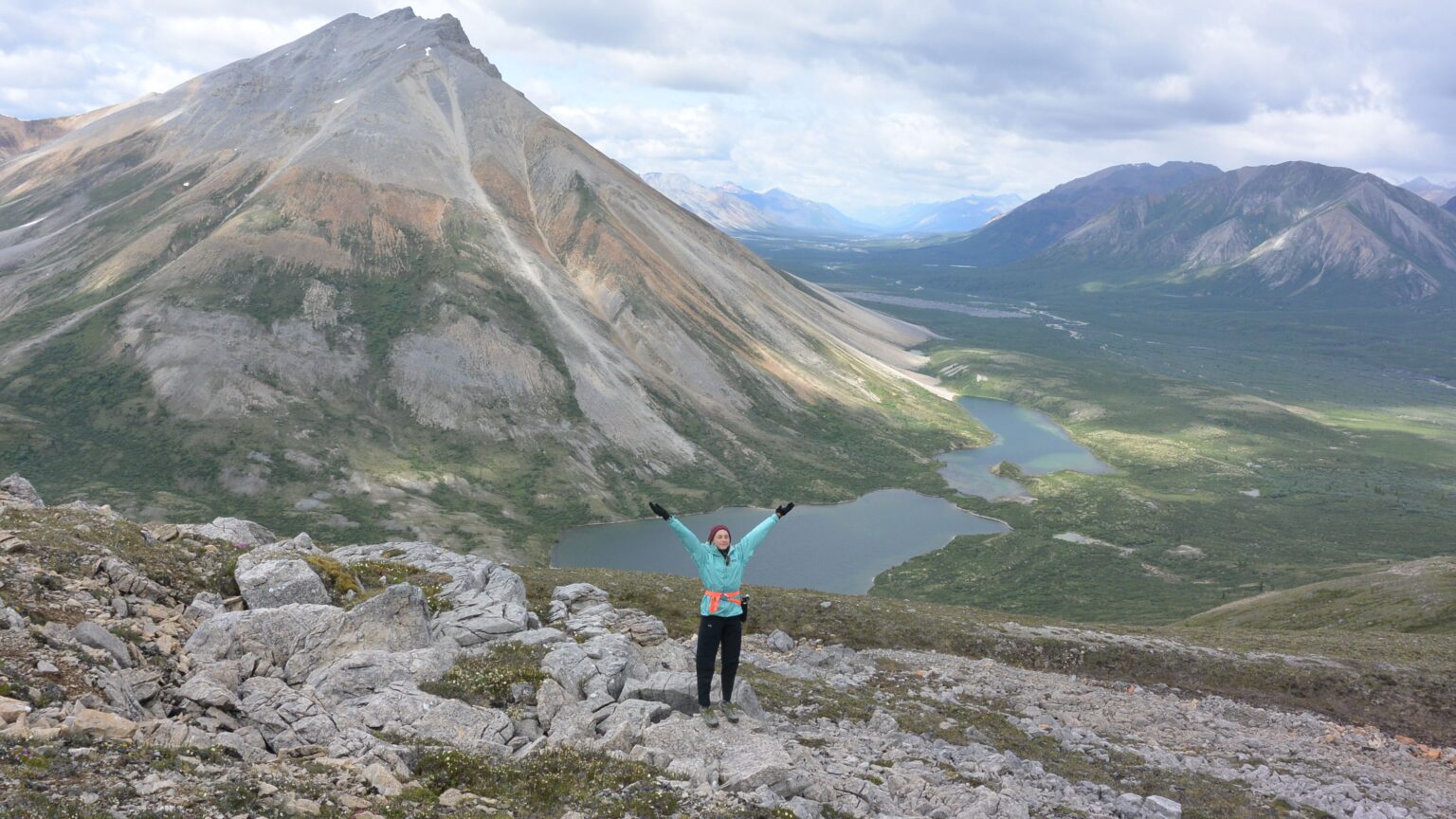
Pinned against jagged rocks by the rapids of the Attawapiskat River, Eleanor Robson couldn’t help but think of the magnificence of the water around her.
The rapids had turned her canoe sideways, wedging it against the rocks while the rushing waves on the other side held it in place. Robson knew she had to break free from the crushing force of the water’s grip, but one wrong move could spell disaster — if her canoe flipped the wrong way, the concavity would fill with water and buckle against the rocks, leaving her stranded on the unforgiving river.
With the help of her partner, she was able to break free from the rocks, rescue her canoe and swim down the rapids to a place in the river where she could catch her breath, far from danger.
Looking back on this moment nine years later, Robson, a recent graduate of McMaster’s Chemical Engineering and Bioengineering program, recalls her appreciation of water — and all its might. “It was a very scary moment where I could viscerally feel its power all around me, but that moment reinforced my awe and respect for water.”
For Robson, the existential impact of this trip — one that saw her life so entwined with the water that carried her along the river — still lingers. After all, it was water that brought her to McMaster in the first place.
A life spent on the water
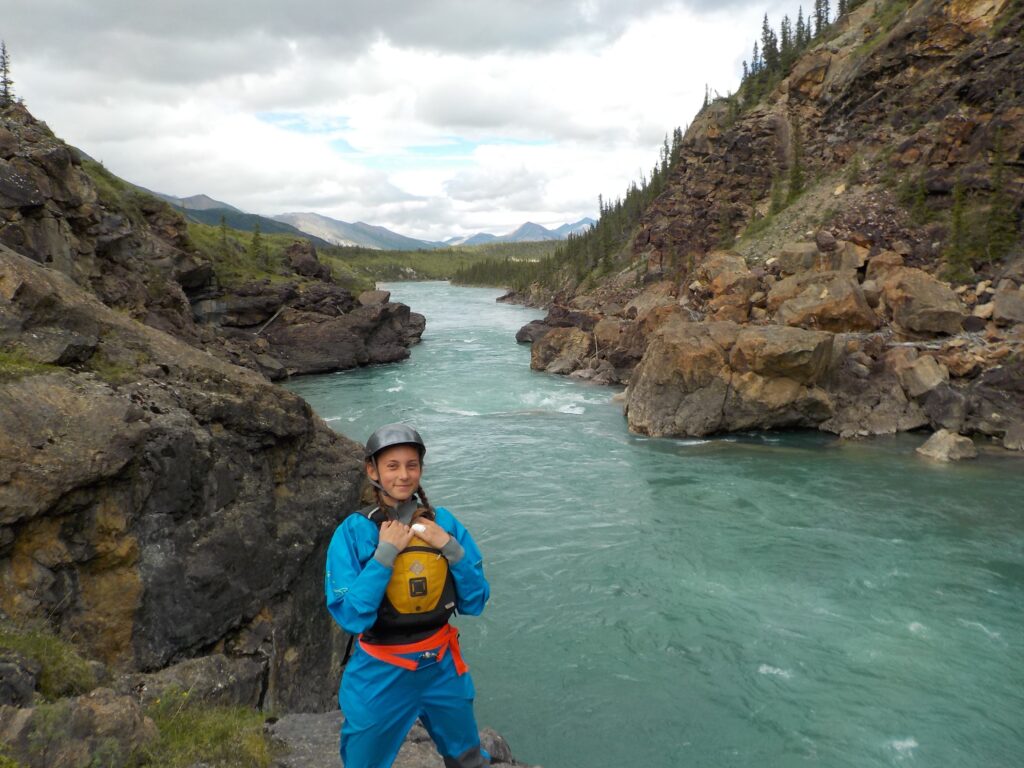
Robson spent a lot of time on the water growing up — paddling down rivers, living by the water, drinking the water. These experiences, she says, led to a greater appreciation for the environment.
But over time, she noticed that the water around her, both locally and around the world, was changing.
Rising sea levels caused extensive flooding in communities. Wildfires had significant impact on the quality and drinkability of the water. And most of these trips passed through Indigenous communities, many of which were under boil water advisories.
Getting a firsthand look at the tremendous impact water has on humanity — and just how powerful it can be — is what led Robson to pursue a degree in chemical and bioengineering.
“I’m someone who likes to see the tangible impacts of what I do,” she says. “I knew studying chemical engineering and bioengineering would teach me how to treat water, how to keep the environment safe, and how to have an impact on the people and communities around me.”
A full-circle moment
Two years ago, Robson had the opportunity to see that impact up close when she took on a co-op position with Veolia, a company that focuses on drinking water production, wastewater treatment and industrial water management.
In this role, she contributed to membrane bioreactor designs and monitored a pilot ultrafiltration unit to support performance tests in a municipal water treatment plant. She was also flown out to California last summer to validate membrane performance for a water treatment plant in the region.
On the first day of the trip, she met with a field service engineer who showed her around the plant and asked for her opinion on their setup. Imposter syndrome quickly set in for Eleanor. “I’m there feeling like, oh my gosh, I’m 23. I’m still in university. This is a co-op position.”
Nearly a year later, though, this question has become an interesting moment for Robson — one where she recognized how far her skills had come, and one where, for the first time, she could see the positive impact she could have in this industry.
With her studies now behind her, Robson can’t help but think back to her life on the water. “Working at Veolia was a full circle moment for me, given that water treatment is why I went into chemical engineering and bioengineering in the first place.”
Though Robson’s time as a process and applications engineering intern came to an end last August, her time with Veolia is far from over.
Shortly before finishing her final undergraduate exam, Robson learned that she would be returning to Veolia after graduation through their Water Engineering Program for new graduates, where she will build on the work she did during her co-op placement.
There and back again
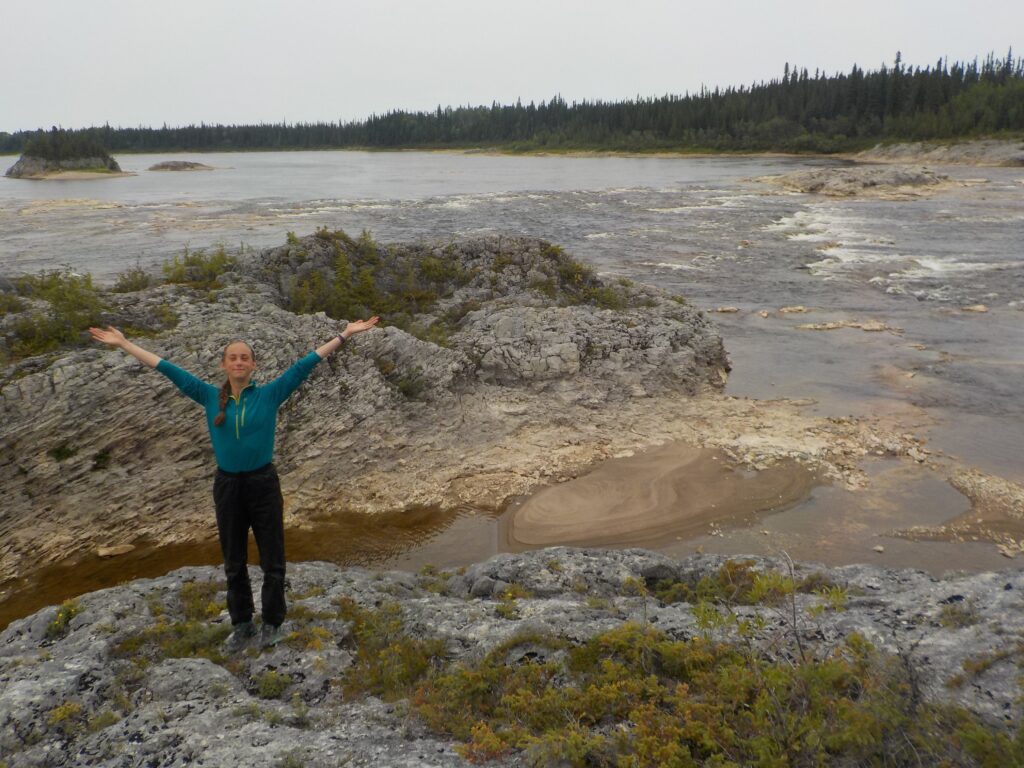
It was 4:30 in the morning when Eleanor Robson’s alarm went off.
Shrouded in the purple-black sky of a sun playing peek-a-boo with the horizon, Robson emerged from her campsite and got into her canoe. The water of the Attawapiskat was clear and still.
This morning’s wake-up call was especially early because today was a special day — she had a goal to travel 100 kilometres along the third largest river in Ontario in one day.
The water in this stretch of the Attawapiskat was shallow so she knew there would be a lot of paddling ahead of her. She also knew that drinking water would become scarce the further north she travelled.
She pushed off in her canoe, the picturesque scenery of Northern Ontario flanking her on all sides, and set out on her journey.
Eleanor Robson’s life on the water has taken her many places. She’s braved the rapids of Northern Ontario and spent time on the rivers and lakes of the Yukon. Her fascination with water brought her to McMaster and her passion for the subject led her to a water treatment facility in California.
But all those adventures began with the same thing — a nice summer day, a canoe, some paddles and the open water.
Looking back on her annual summer canoe trips, Robson remembers the precarity of it all. “There’s nothing more humbling than being all alone on a river, many kilometres away from help, hoping you find a spring with water you can treat to drink.”
It took 16 hours, but Robson achieved her goal of travelling 100 kilometres that day. By the time her trip down the Attawapiskat was over 31 days later, she had travelled a total of 768 kilometres from Badesdawa Lake to James Bay.
Now, as she sets off on her next journey, she’ll have the opportunity to make the tangible impact she’s been chasing.